
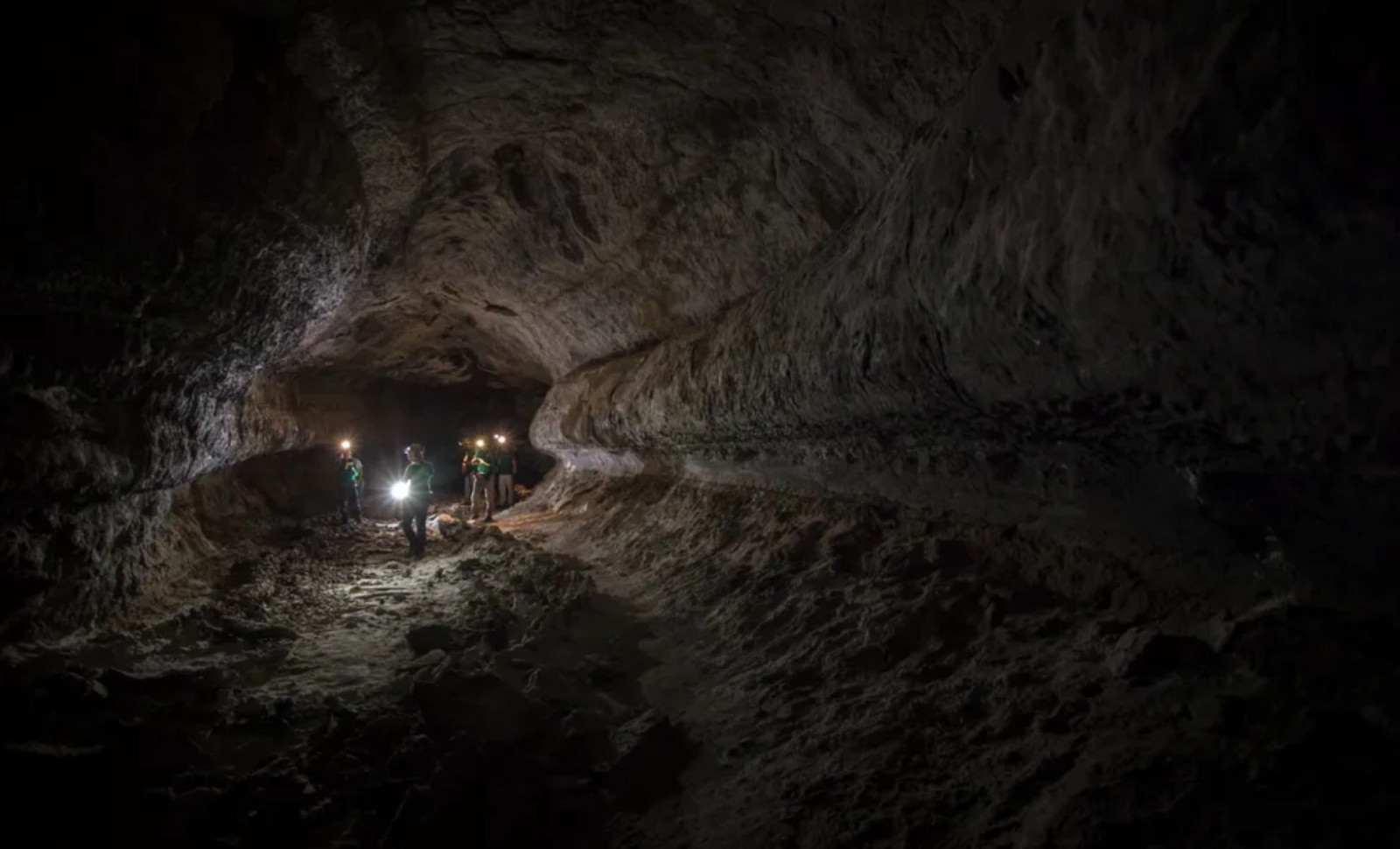
Scientists and engineers are devising innovative technology to probe one of the most elusive Martian landscapes: its extensive underground tunnel networks. Their design melds a rolling, pillbug-inspired robot with swarms of ultra-light airborne sensors that drift through caverns, gathering data far beyond the reach of conventional rovers.
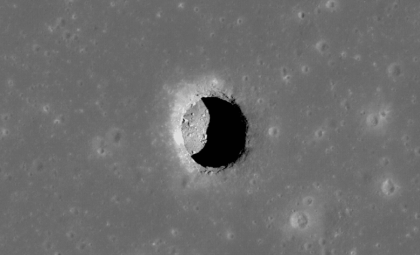
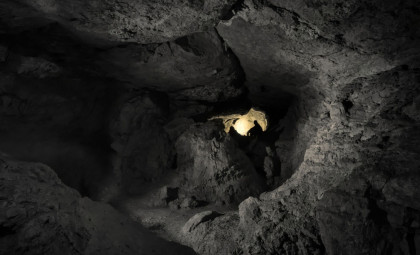
This approach exemplifies a growing trend in space research to harness nature’s designs. Mars, shaped by ancient volcanic flows, boasts vast lava tubes underground. These uncharted passages have sparked interest as promising exploration sites due to their largely pristine conditions.
A Small Creature’s Defense Strategy Inspires New Robotics
Developed by Mostafa Hassanalian, an associate professor at New Mexico Tech, the project challenges traditional rover paradigms for subterranean exploration.

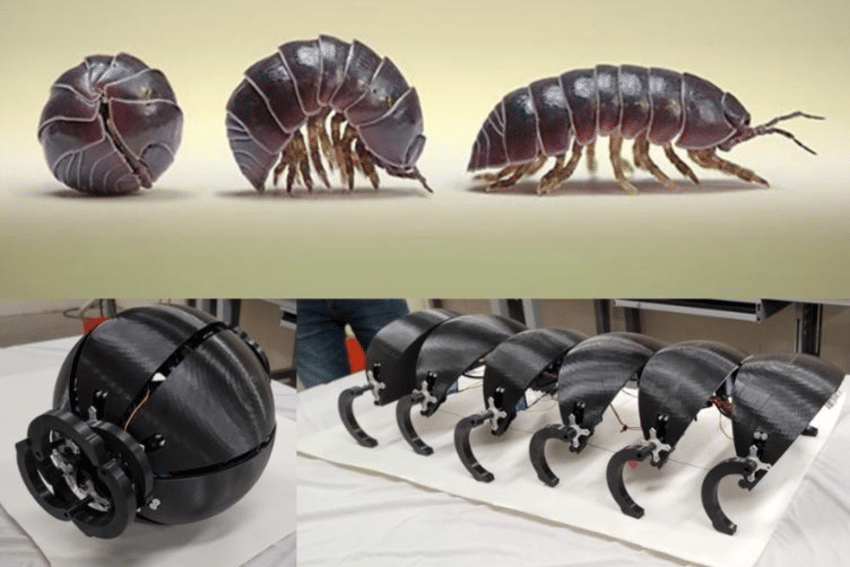
Published in Aerospace Research Central (ARC), Hassanalian’s team designed a rolling robot modeled on the protective curling behavior of pillbugs. The mission envisions deploying this device into Martian caves by lowering it through ceiling openings using a parachute mechanism.
Once inside the tunnels, the robot would disperse thousands of tiny “dandelion” drones, engineered to move passively with air currents rather than powered flight.
These drones would traverse the caverns, relaying crucial environmental data via radio waves. Hassanalian notes the challenge conventional rovers face:
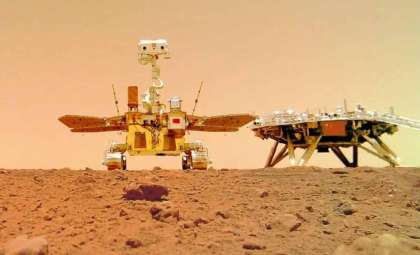
“The rovers are the size of a school bus. That’s why they can’t get in.”
Harnessing Martian Airflows for Subterranean Travel
A key obstacle is the unknown atmospheric conditions within Martian tunnels. Since no robotic mission has yet explored below the surface, airflow patterns remain speculative. However, natural cave openings might provide enough circulation to carry these drones significant distances.
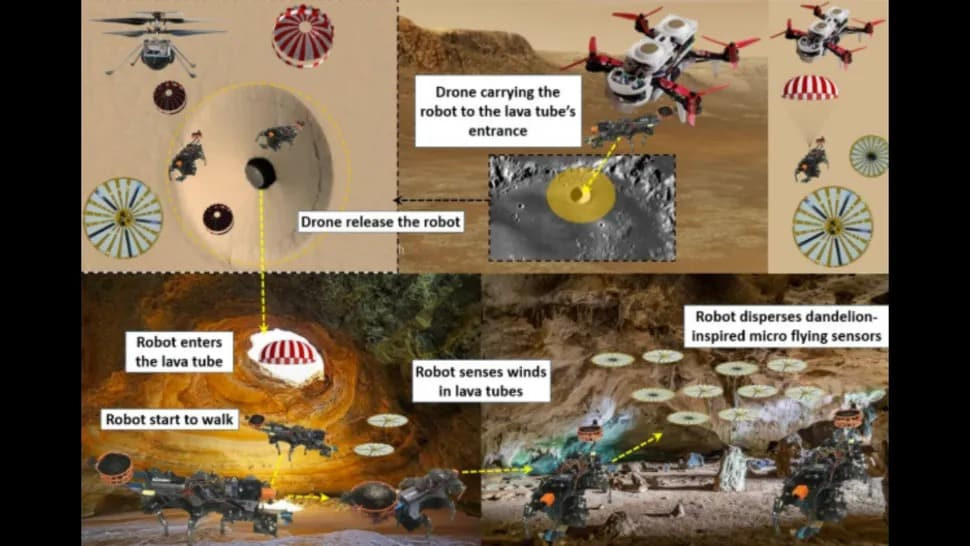
The design further incorporates a robust fan to help propel the drones when natural wind is insufficient. Yet, the complete lack of sunlight inside these caves presents another major challenge.
To address power needs, the team explored piezoelectric polymers that generate electricity from mechanical movement. They also drew parallels to airborne seeds, many of which are white to maximize sunlight reflection, reducing heat and aiding lightness.
Unlocking Mars’ Subterranean Secrets
This pillbug-inspired robot complements other efforts to explore planetary caves. Since 2023, the Space Robotics Laboratory at the University of Malaga has conducted robotic trials inside lava tubes in Lanzarote, Spain, aiming to perfect mapping tools for Mars’ volcanic caves.
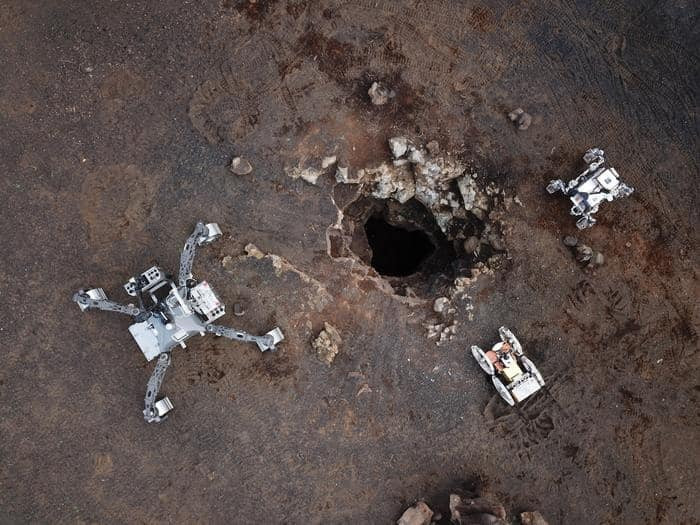
Mars aerial exploration has already advanced with NASA’s Ingenuity helicopter, which completed 72 flights proving powered flight is feasible in Mars’ thin atmosphere, though it was not built for cavern navigation.
Thermal data gathered near cave entrances reveals temperature variations are less extreme than on the surface, providing further motivation to investigate Mars’ hidden underground world as planetary exploration evolves.
- Categories:
- Science








0 comments
Sign in to Comment