
Situated in the North Atlantic about 590 miles east of Florida, there is a vast stretch of ocean water that rotates slowly and remains disconnected from any coastline. This area is enclosed only by surrounding ocean currents. For centuries, seafarers traversed this zone unaware they had entered a unique maritime region. Today, four decades of observations reveal that this seamless marine environment is experiencing some of the fastest changes seen in open ocean ecosystems.
The Sargasso Sea has experienced a temperature increase nearing one degree Celsius since 1983 alongside a surge in acidity of over 30 percent. This insight emerges from a recent update published in Frontiers in Marine Science by scientists at the Bermuda Institute of Ocean Sciences, now overseen by Arizona State University. The report is based on consistent, monthly data gathered at the Bermuda Atlantic Time-series Study (BATS) location, which holds the longest uninterrupted record of open ocean carbon-related measurements worldwide.
The Sea Defined Solely by Circulating Currents
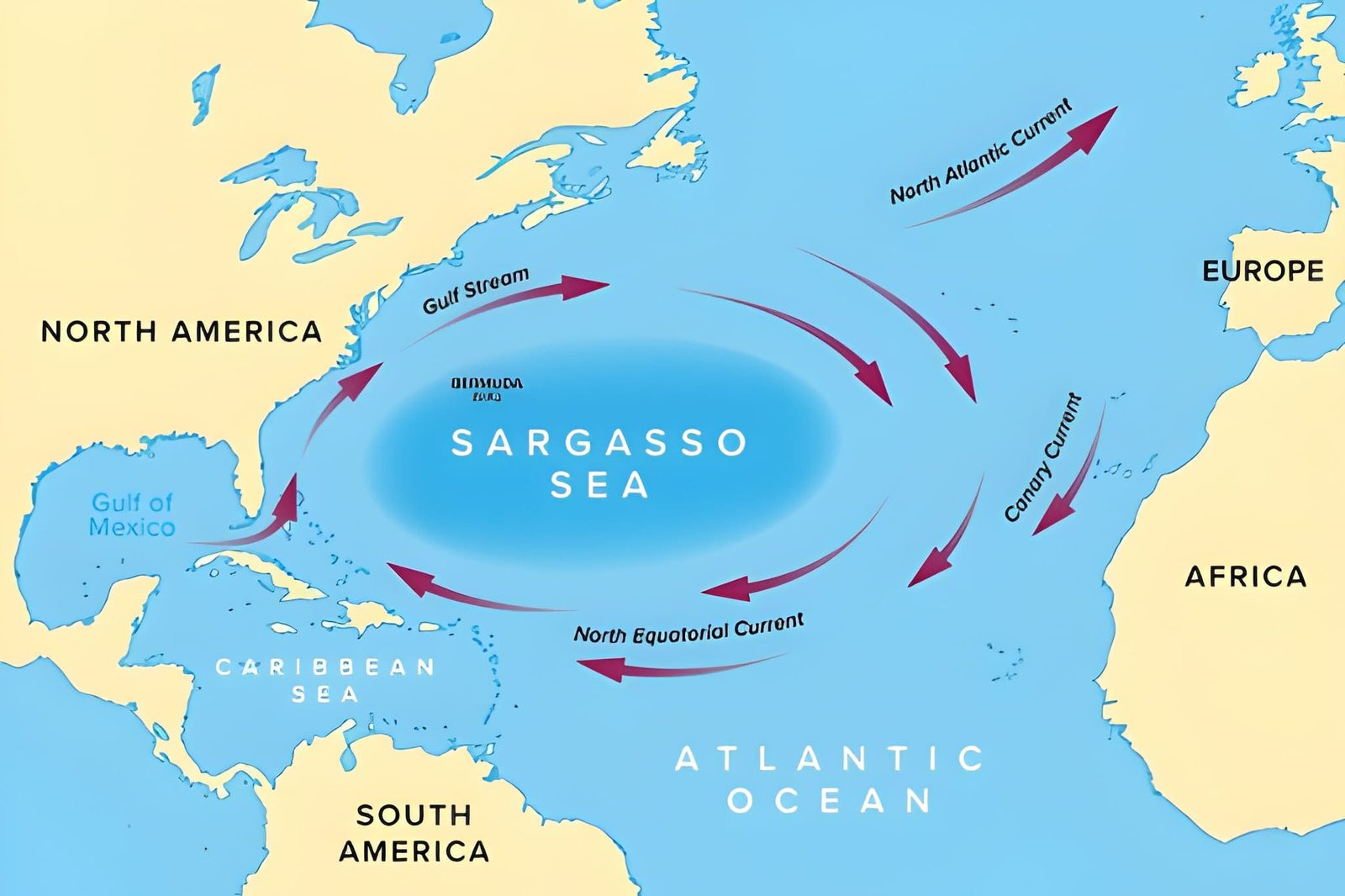
The Sargasso Sea is distinctive because it is not bordered by any landmass. Its perimeter is formed by four dominant ocean currents: the North Atlantic Current, the Canary Current, the North Equatorial Current, and the Antilles Current. Collectively, these currents compose the North Atlantic Gyre, a clockwise circulating system spreading approximately two million square miles.

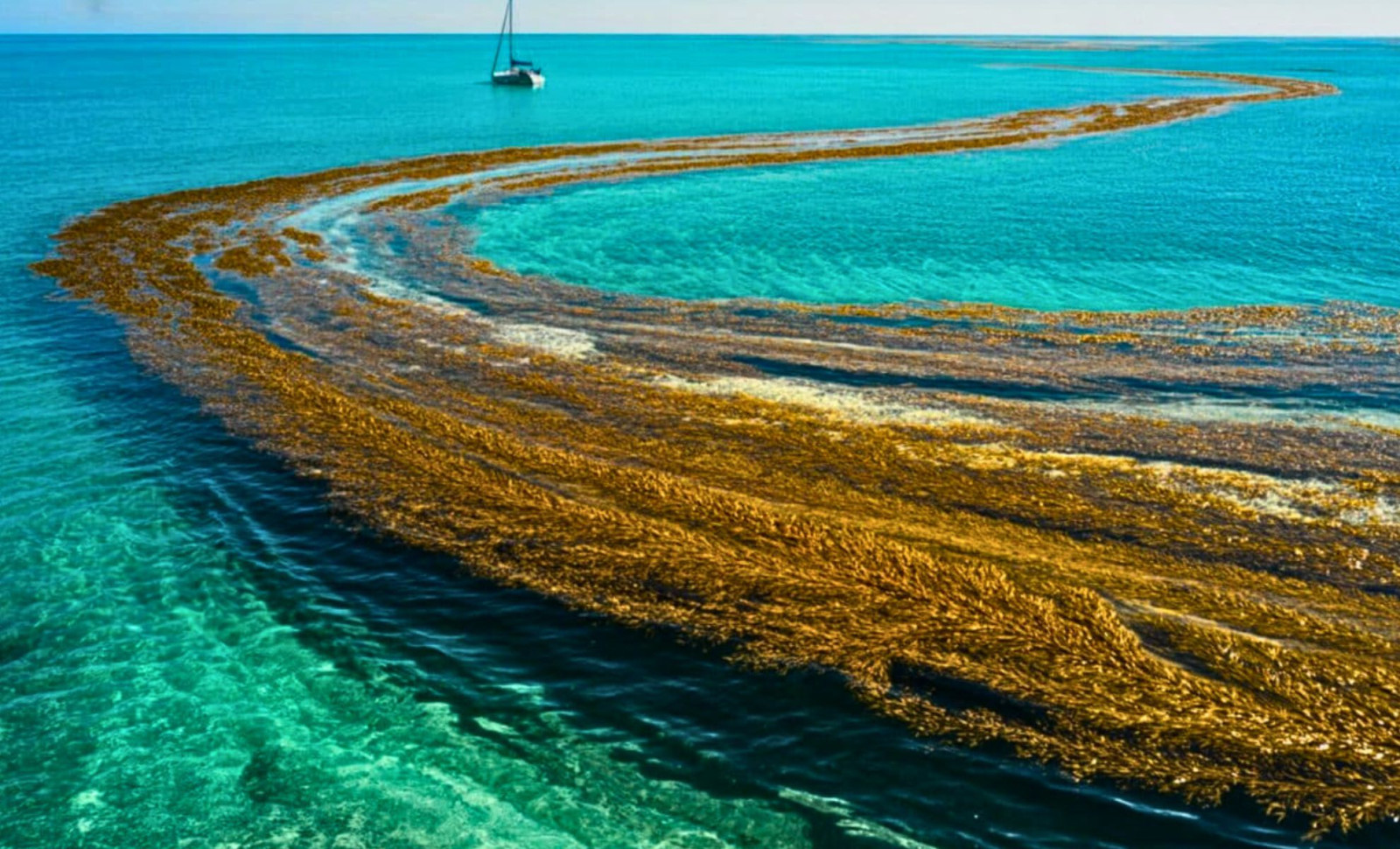
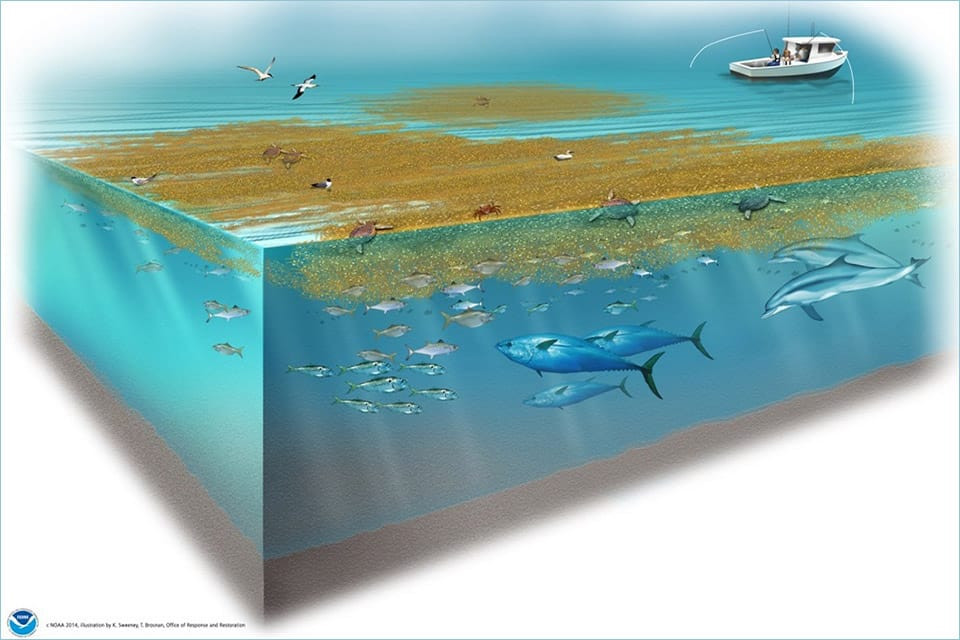
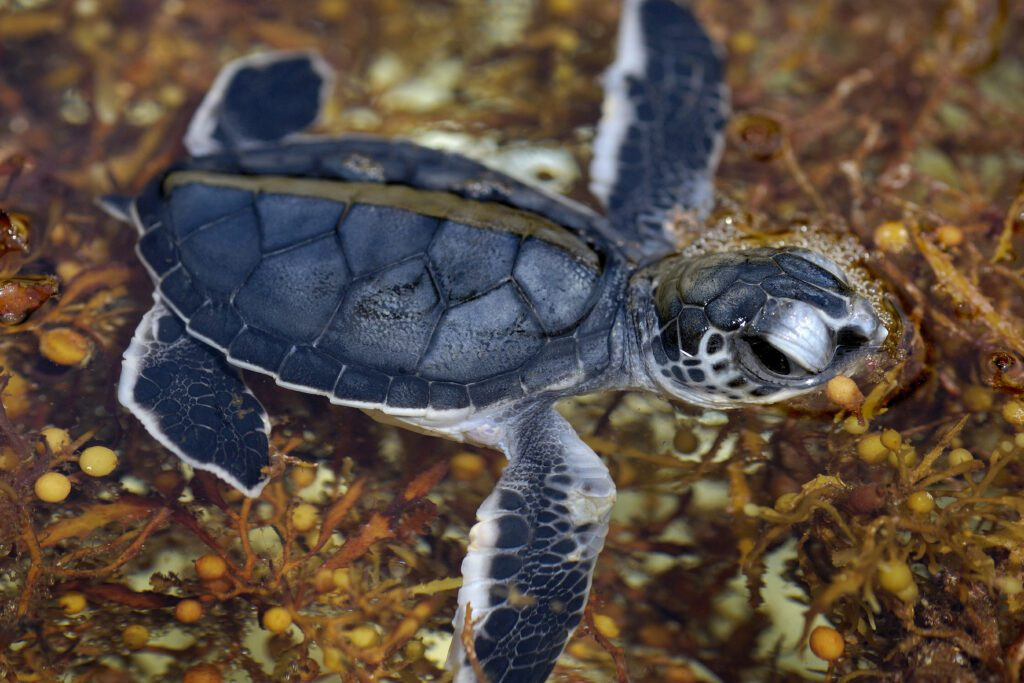
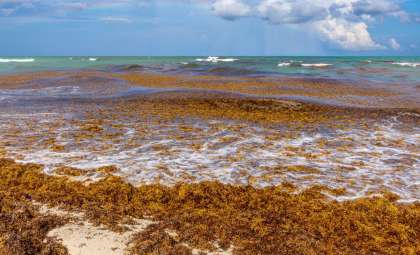
The name "Sargasso" derives from Sargassum, a golden-hued seaweed that drifts in dense clusters atop the water’s surface. This seaweed was named by Portuguese explorers who likened it to clusters of grapes called sargaço back home. Unlike many marine plants, this algae is free-floating and does not anchor to the seafloor, creating a drifting habitat that provides refuge for juvenile loggerhead turtles, species of shrimp found only there, porcelain crabs, and numerous unique fish species. These floating mats span roughly 800 miles and serve as crucial nurseries, sheltering hatchling turtles until they are strong enough to venture out and allowing European eels to begin their freshwater-bound life cycle starting as nearly invisible larvae.
This isolation has also made the Sargasso Sea a critical spot for ongoing scientific monitoring. Researchers have conducted monthly expeditions to the BATS site since 1983, lowering instruments and collecting samples from ocean depths beyond 4,200 meters, resulting in an unbroken four-decade-long data record.
Insights from Forty Years of Ocean Sampling
The data reveal clear and accelerating trends. Surface water temperatures have increased by approximately 0.24 degrees Celsius per decade, totaling nearly 1 degree since the 1980s. Salinity levels have risen by 0.136 units, while dissolved oxygen concentrations have decreased by about six percent (12.5 micromoles per kilogram). These changes mean the ocean here is warmer, saltier, and contains less oxygen than it did when monitoring began.
More dramatic shifts occurred in carbon chemistry. Levels of dissolved inorganic carbon increased by 51.5 micromoles per kilogram, reflecting uptake of carbon dioxide from fossil fuel emissions. Correspondingly, the ocean’s pH has dropped by about 0.075 to 0.1 units—indicating a rise in acidity exceeding 30 percent in hydrogen ion concentration. This increased corrosiveness harms the saturation states of aragonite and calcite minerals crucial for coral skeletons and shell-building plankton.
Nicholas Bates, a chemical oceanographer at Arizona State University’s Julie Ann Wrigley Global Futures Laboratory and the study’s lead author, explained in the Frontiers in Marine Science publication that oceanic conditions in the 2020s now exceed the seasonal variations documented in the 1980s. Situations once considered extreme have become commonplace.
A Vulnerable Nursery in Transition
The floating Sargassum vegetation acts as an essential open-ocean nursery habitat. It provides shelter for young turtles, serves as the starting life stage for European and American eels before they swim to freshwater habitats where they mature over decades, and offers a migration corridor for humpback whales during springtime. Tuna species also navigate beneath these mats when heading toward spawning zones.
However, these gyre currents now concentrate plastic pollution, with surveys estimating up to 200,000 debris fragments per square kilometer across vast ocean stretches. Cargo ships passing through these mats damage habitats with their propellers, while the low-frequency sounds of sperm whales face interference from engine noise.
Scientists also highlight that warming surface waters reduce vertical mixing, leading to oxygen depletion in deeper waters and trapping nutrients that would otherwise rise to stimulate plankton growth vital for the marine food web.
Conservation Challenges for an Ocean Region Beyond Borders
The Sargasso Sea lies outside the legal jurisdiction of any nation, complicating preservation efforts. The Sargasso Sea Commission, established in 2014 with Bermuda’s government support, coordinates with international bodies to seek protection measures. Current proposals consider redirecting shipping routes to avoid dense seaweed areas and limiting longline fishing during peak turtle migration periods.
Ongoing projects backed by the Global Environment Facility and the French Facility for Global Environment aim to develop a socio-ecosystem diagnostic report evaluating both ecological and economic aspects of the region. This analysis will guide a coordinated action strategy for stakeholders.
All data collected from BATS and Hydrostation S are accessible through the Biological and Chemical Oceanography Data Management Office. The research team emphasizes that continuous monitoring like this is crucial for forecasting how the North Atlantic and its diverse ecosystems respond to evolving environmental conditions pushing beyond their historical norms.
- Categories:
- News



0 comments
Sign in to Comment