
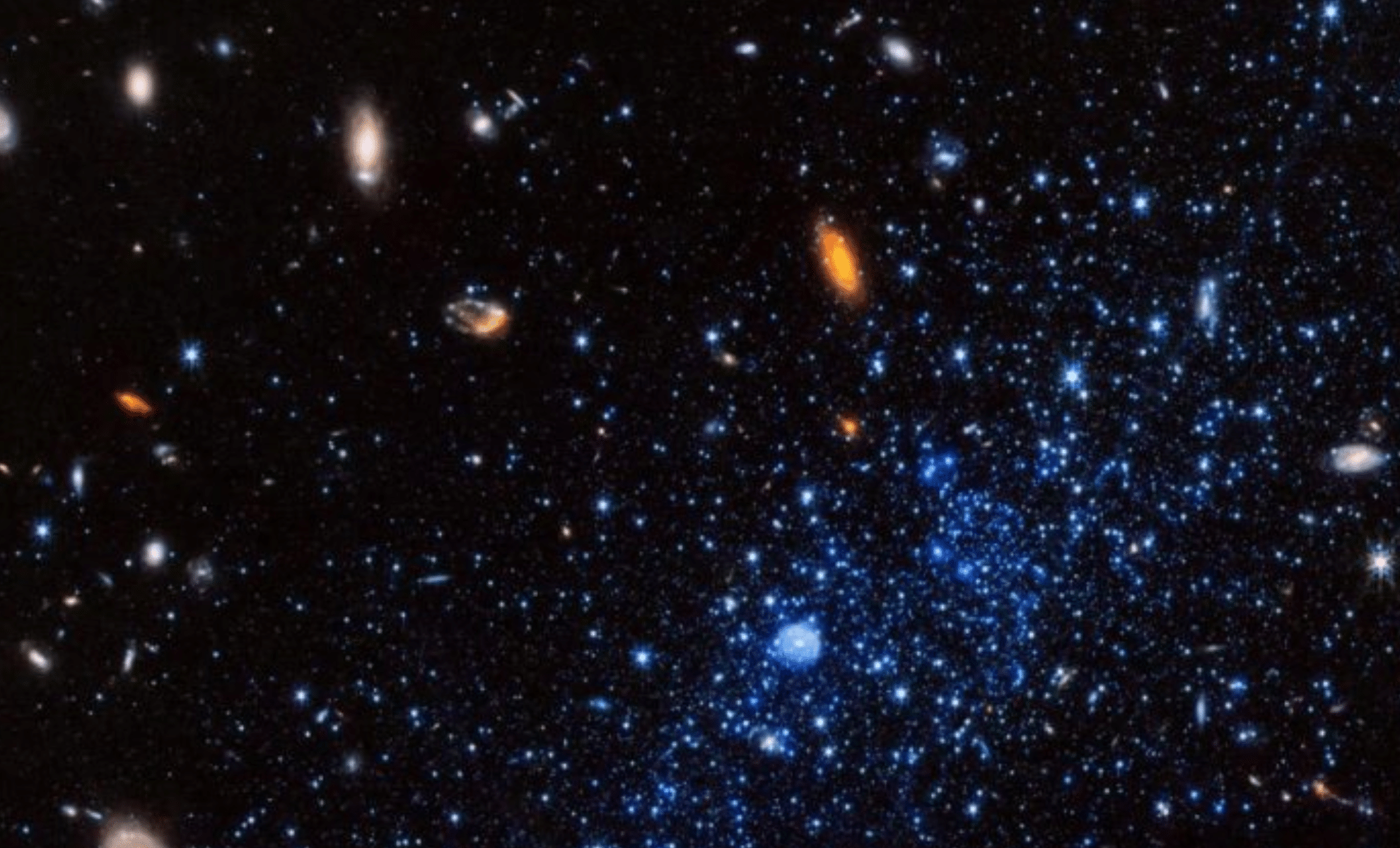
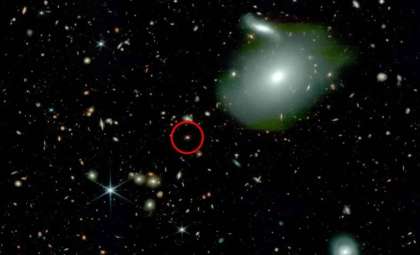
Using deep-field data from the James Webb Space Telescope (JWST), astronomers have identified a galaxy that could be unlike any detected before—one that appears to have escaped chemical changes since the universe’s infancy. Highlighted in a recent arXiv submission, this galaxy shows no signs of heavy elements such as oxygen, which are normally generated in stars following Big Bang nucleosynthesis. Labeled as a “pristine” or zero-metallicity galaxy candidate, it offers a rare chance to investigate the universe’s earliest phases of galaxy formation and primordial conditions.
Hunting for the First Generation of Galaxies
Theoretical cosmology has long predicted the existence of Population III galaxies, galaxies formed solely from primordial hydrogen and helium, completely free from heavier elements. The researchers note, “Galaxies lacking elements like Oxygen—produced by stars after the Big Bang nucleosynthesis—are a fundamental expectation of cosmological models. Yet, no confirmed zero-metallicity Population III galaxy has been discovered to this date.” These galaxies are incredibly faint and likely formed within the first few hundred million years after the Big Bang, making detection difficult. The JWST’s unprecedented infrared capabilities have become essential for detecting these faint cosmic relics and directly testing early-universe theories.
Direct Observations Using JWST
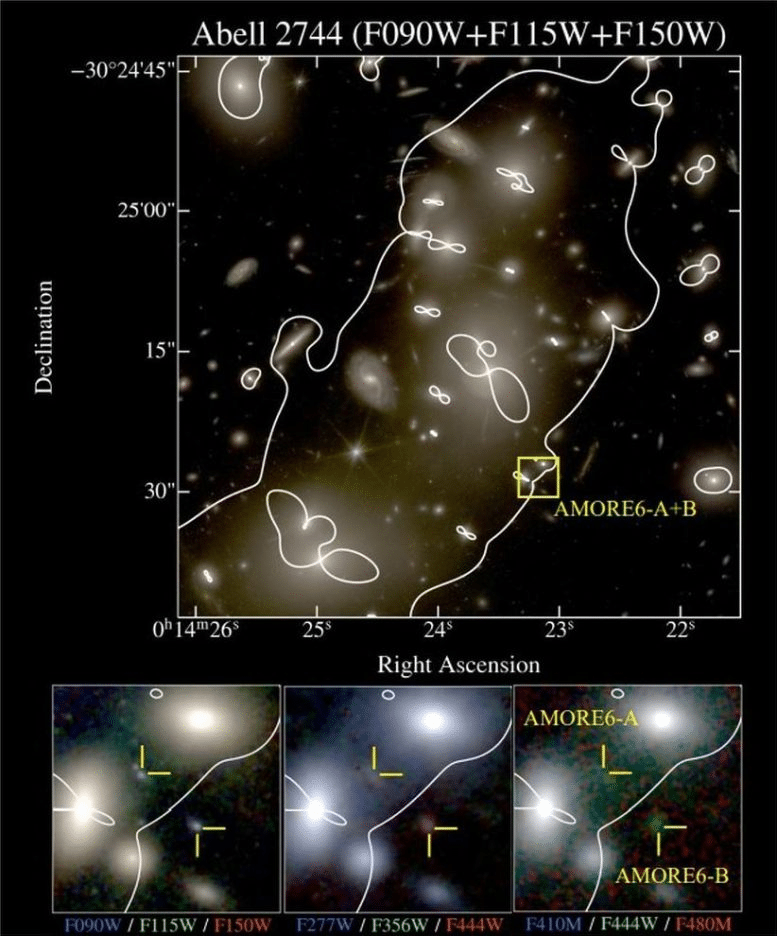
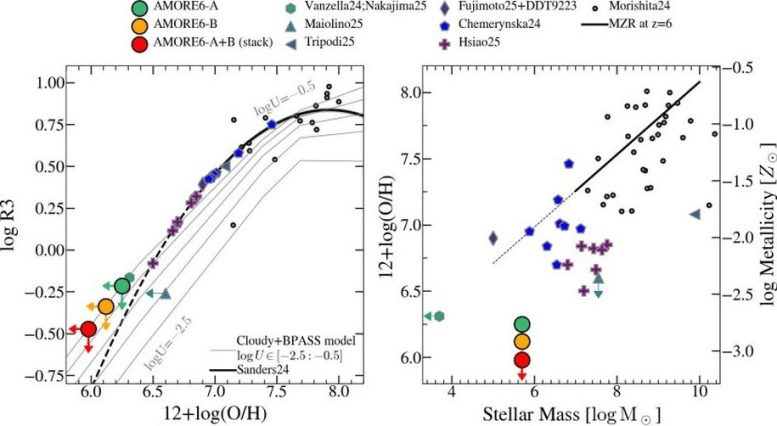
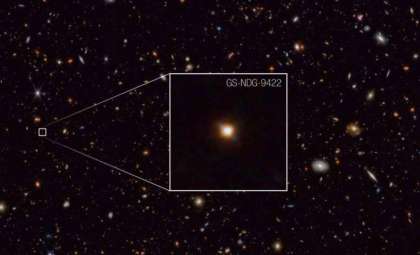
This candidate galaxy was discovered through deep surveys using the JWST’s Near Infrared Camera (NIRCam), capable of detecting extremely distant and faint cosmic objects. Spectroscopy results reveal an absence of metal emission lines typical of star-formed elements, supporting the idea that this galaxy’s gas has not been enriched by earlier stellar generations. Its measured photometric profile matches theoretical predictions for zero-metallicity systems, and its redshift is consistent with a formation epoch in the very early universe. Observing these galaxies allows scientists to better understand how primordial gas clouds merged to create the earliest galaxies and how heavier elements began to populate the cosmos.

Consequences for Cosmological Understanding
The discovery of a galaxy potentially retaining its pristine composition profoundly impacts our understanding of galaxy evolution and provides a crucial test of the Big Bang paradigm. Researchers comment, “Finding such an object at a relatively advanced cosmic epoch is unexpected, but regardless of time, identifying a candidate pristine galaxy strongly supports Big Bang predictions.” This finding suggests that some galaxies might have remained chemically unaltered for long periods, creating natural laboratories for studying early star formation and primordial chemical processes. Confirming its zero-metallicity status would also help constrain star formation rates and feedback in the universe’s earliest stellar generations.
Ongoing Investigation and Future Prospects
Though initial findings are promising, astronomers emphasize the need for further confirmation to establish the galaxy as truly pristine. Upcoming spectroscopic observations and high-resolution imaging with JWST instruments alongside facilities like the Atacama Large Millimeter/submillimeter Array (ALMA) will offer finer elemental abundance measurements. Uncovering more candidates in various cosmic fields will help quantify the frequency of such primitive galaxies, advancing our understanding of early galaxy populations and the transition from primordial to metal-enriched systems.
- Categories:
- News








0 comments
Sign in to Comment