
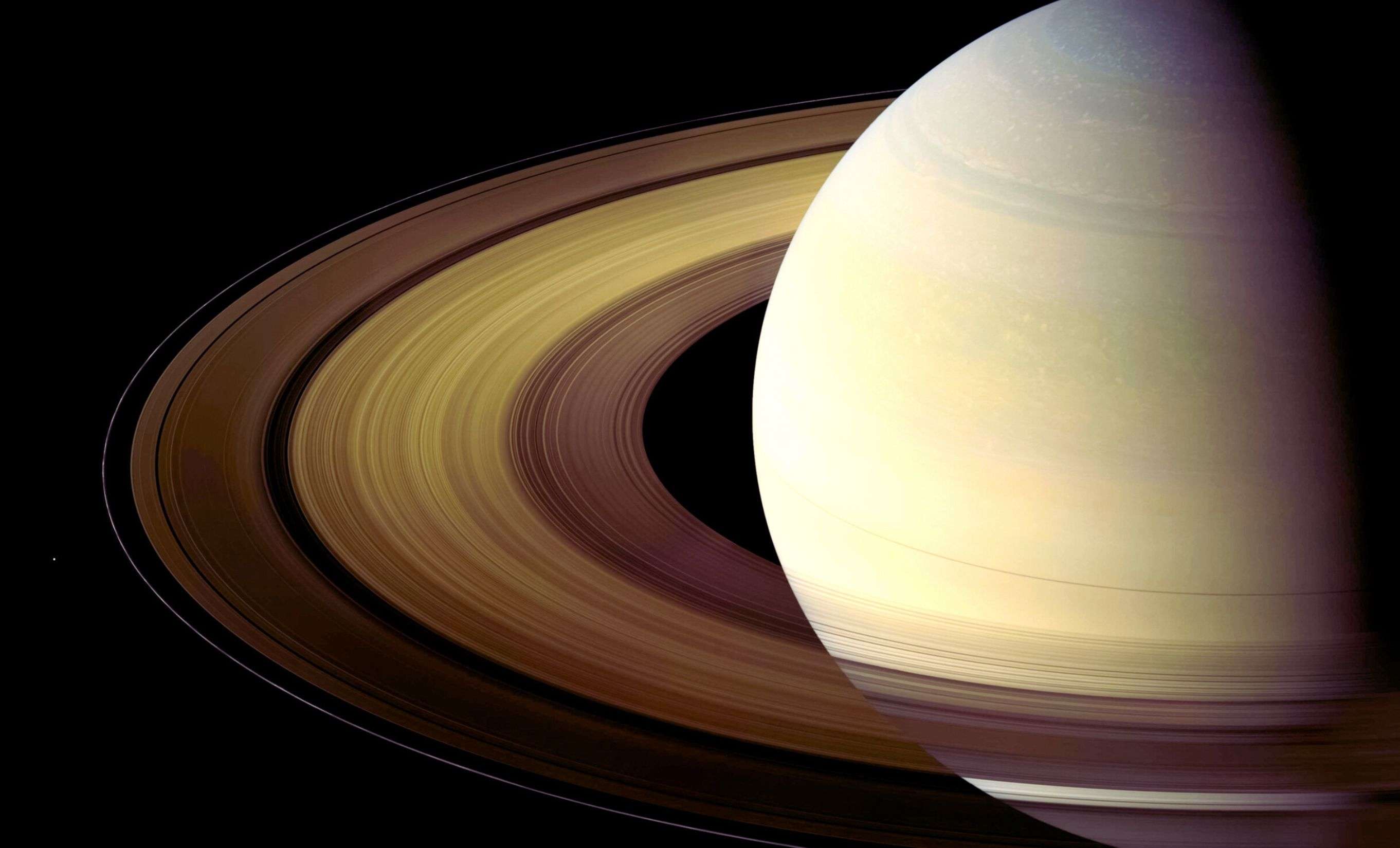
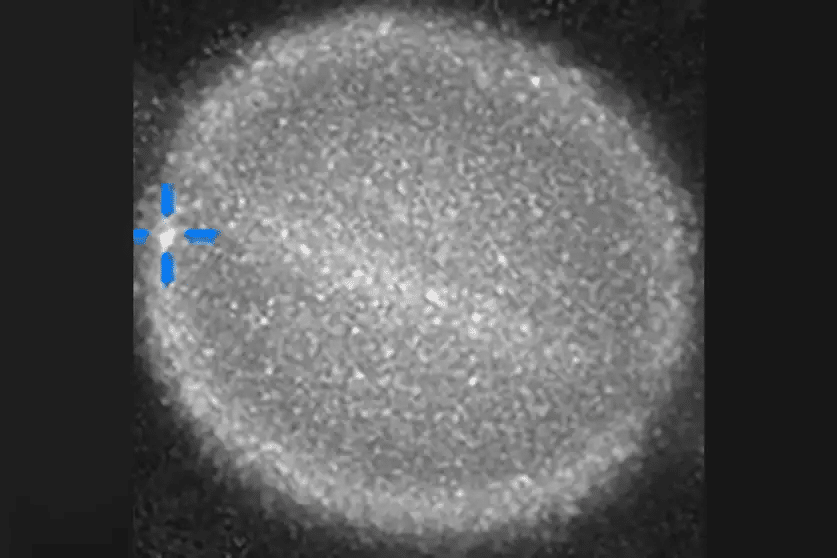
An unprecedented video recording possibly showing an asteroid colliding with Saturn has ignited intense interest throughout the astronomical community. The footage, captured by Mario Rana, an experienced astrophotographer and NASA Langley Research Center contributor, was filmed on July 5, 2025, from Hampton, Virginia. His recording displays a fleeting, bright flare near Saturn's visible disk, which might indicate an extraterrestrial impact. Although this remains unverified, the discovery has prompted professional and amateur astronomers worldwide to re-examine observational data. Coverage by Earth.com and documentation by the Planetary Virtual Observatory and Laboratory (PVOL) on their official website have called for collaborative efforts to ascertain if the flash is an actual strike or an imaging artifact.
Insights from the Footage and Its Scientific Importance
The video reveals a brief and bright flash occurring between 9:00 and 9:15 UTC on Saturn's atmospheric layer. Regularly contributing to planetary image archives, Rana employed a personal telescope and planetary camera to record what could be a groundbreaking observation. However, a single flash on one recording does not definitively confirm an impact event. Various false positives—including camera sensor noise, atmospheric distortion, or passing satellites—could produce similar visual signals. Consequently, scientists are inviting others who observed Saturn that day to share their raw recordings for independent checks.
To validate an impact, the scientific standard requires multiple observations from geographically separated observers detecting the same flash with matching timestamps. Alternatively, detecting ephemeral atmospheric alterations on Saturn’s atmosphere that move consistently with planetary rotation could support the hypothesis. Pending such verification, the observed flash remains an intriguing candidate—a term commonly applied to ambiguous planetary imaging features possibly tied to external phenomena.

Challenges of Detecting Impacts on Saturn and Their Scarcity
Unlike rocky planets, Saturn’s gaseous nature makes spotting impacts exceptionally tricky. Being mostly made of hydrogen and helium, it lacks a solid surface that could preserve impact marks or craters. As a result, even sizable collisions may manifest only as brief flashes or subtle disturbances in its cloud layers. This complicates impact confirmation without coordinated multi-angle observations.
Large impacts on Saturn occur very infrequently. A 2025 research study exploring solar system small body populations estimates collisions with objects at least 1 kilometer wide happen at roughly 3.2 × 10⁻³ per year, equating to about one event every 3,125 years. This rarity highlights the immense value of promptly verifying any detected flashes.
“These findings suggest the current impact rates for smaller particles at Saturn are comparable to those on Earth,” explained Linda Spilker, Cassini mission scientist at NASA’s Jet Propulsion Laboratory. Her remarks emphasize that though large strikes are uncommon, frequent collisions with smaller debris keep Saturn’s upper atmosphere highly active, warranting continuous observation.
Amateur Astronomers’ Contribution and the DeTeCt Software
The surge in accessible, high-quality astronomy equipment has revolutionized planetary monitoring, enabling citizen scientists to significantly aid professional research. Rana’s recording exemplifies how grassroots efforts can trigger global scientific follow-up.
To assist in confirming impacts, many amateur astronomers utilize DeTeCt, an open-source tool designed to scan extensive planetary footage for transient light bursts. Originally developed for identifying impacts on Jupiter, DeTeCt has confirmed multiple occurrences since 2010 by coordinating observer data across continents. The ongoing Saturn impact review includes a comprehensive DeTeCt analysis of worldwide video submissions, which so far has not detected matching flashes.
While the absence of additional detections suggests the July 5th flash might not represent an impact, negative results are still crucial. They improve understanding of false alarms, enhance detection algorithms, and strengthen the global network of vigilant observers prepared to capture forthcoming cosmic activity.
Lessons from Jupiter’s Impact Observations
Impact detection strategies on Saturn rely heavily on methodologies proven effective for Jupiter, which boasts a storied record of observed collisions. Notably, a 2010 meteoroid, estimated at 8 to 13 meters in diameter, produced a two-second flash documented independently by two amateur astronomers and later validated by experts.
Most confirmed impacts on Jupiter do not leave behind enduring debris clouds. Detailed analyses involving light curves, spectral data, and sequential imagery confirm this lack of lasting traces. This is attributed to the dense atmospheres and turbulent dynamics of gas giants, where impact evidence can dissipate rapidly.
This pattern suggests that Saturn’s missing debris following the July 5 flash does not invalidate the possibility of a collision. Instead, it highlights the vital importance of multiple video confirmations to substantiate any impact claim.
Next Steps in Confirming the Event
Researchers continue to scrutinize submissions, focusing on detailed, time-stamped, and geotagged data analysis. Contributors are encouraged to provide original video files accompanied by precise metadata, including Universal Time timestamps, observing locations, and equipment details.
The planetary science community remains alert and proactive. This episode has enhanced imaging networks, improved detection software sensitivity, and showcased the powerful collaboration potential between professional scientists and amateur enthusiasts. Regardless of whether this flash confirms an impact, the collective efforts foster a prepared infrastructure for detecting future, verifiable planetary collisions.
By integrating tools like DeTeCt with a rapidly expanding community of skilled amateur observers, the field of planetary science is progressing toward an era of heightened responsiveness to rare, high-impact cosmic events.
- Categories:
- News




0 comments
Sign in to Comment