
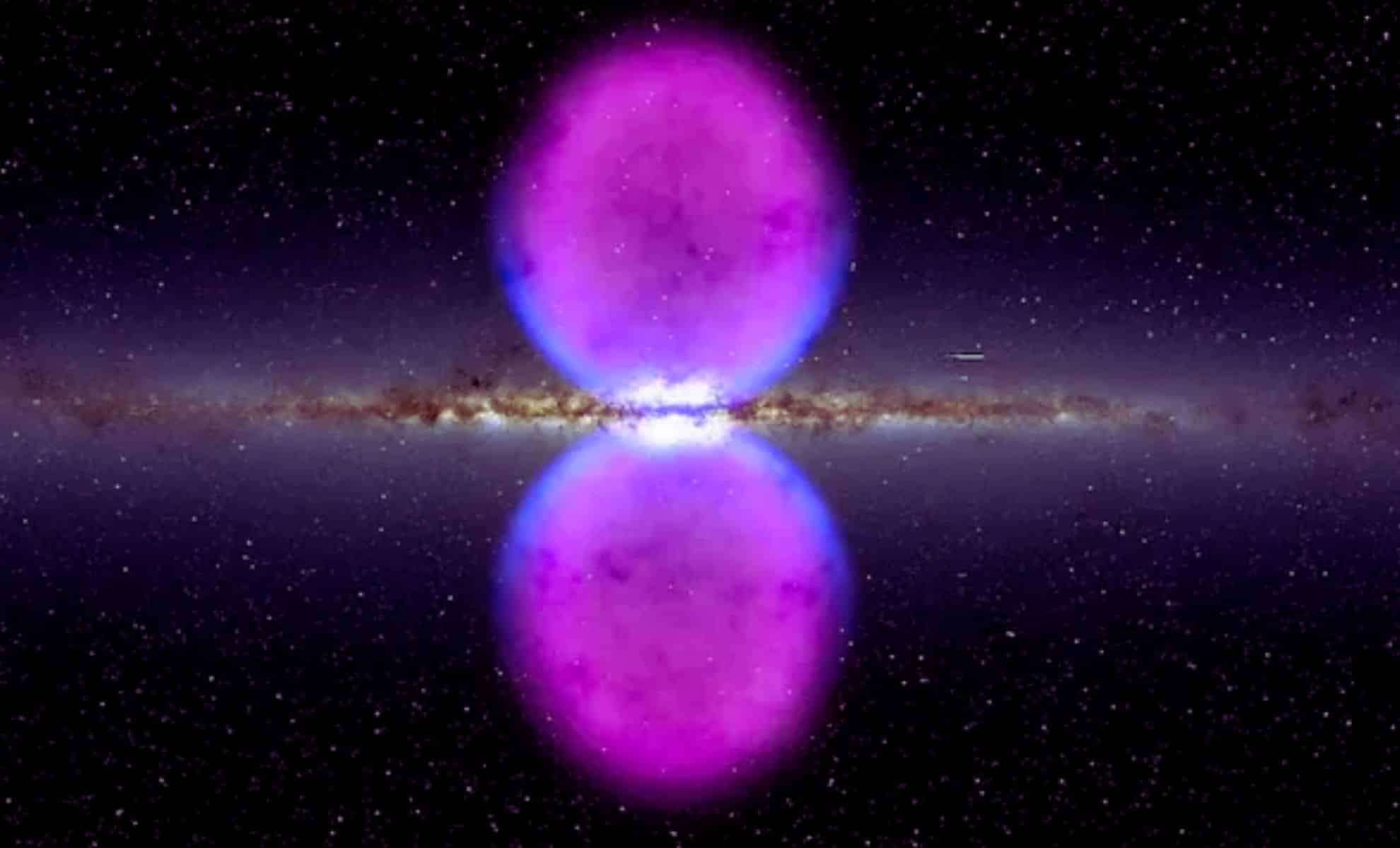
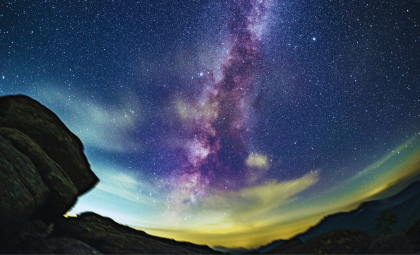
New research unveils an extraordinary cosmic phenomenon near the center of our galaxy: frigid hydrogen clouds embedded within the scorching Fermi bubbles, massive gas and cosmic ray formations that loom over the Milky Way's core for millions of years. This surprising discovery hints at a more recent and intense eruption from the galactic center’s black hole than scientists had previously assumed. The study, published in The Astrophysical Journal Letters, offers fresh insights into the dynamic history and energetic processes at the heart of our galaxy.
Fermi Bubbles: Tracing the Milky Way’s Explosive History
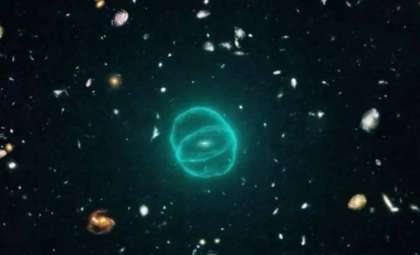
Fermi bubbles are towering twin lobes of high-energy gas and radiation that stretch above and below the Milky Way’s center, first identified in 2010 by NASA’s Fermi Gamma-ray Space Telescope. These enormous formations extend nearly 50,000 light-years across and likely stem from powerful outbursts triggered by the galaxy’s central supermassive black hole. Despite their vast scale, the bubbles are visible mainly in gamma-ray light, revealing a fiercely energetic and inhospitable environment.
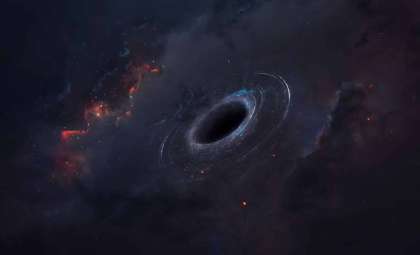
Scientists have theorized that the bubbles are the aftermath of explosive activity, possibly driven by opposing jets of matter spewing from the galactic core’s black hole. The bubbles contain plasma heated to over a million Kelvin, an extreme temperature that renders the surroundings hostile to most matter. Remarkably, the latest research reports the presence of cold hydrogen clouds, some spanning up to 91 light-years, surviving amid this blistering environment.

This finding challenges earlier beliefs about the fragility of cold gas structures in such high-temperature zones. Hydrogen clouds expected to rapidly disintegrate instead persist, implying an overlooked history of violent, more recent activity within the galaxy.
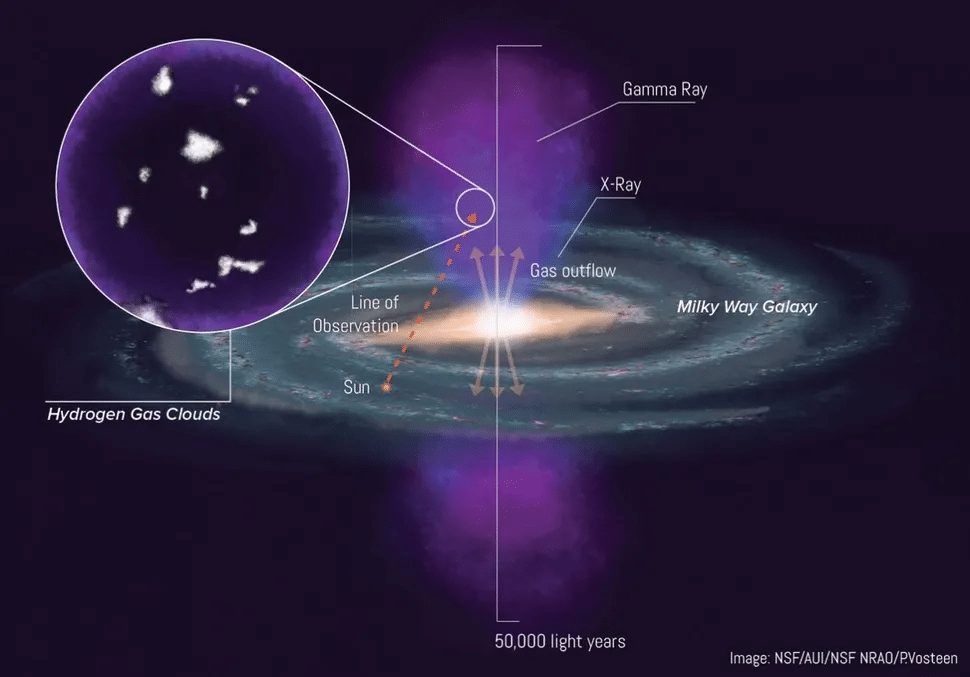
Endurance Against the Odds: How Cold Clouds Persist in a Fiery Realm
Rongmon Bordoloi, lead author and associate professor at North Carolina State University, compares the phenomenon to the survival of an ice cube in boiling water. He explains, “Imagine dropping an ice cube into boiling water: the smaller one melts swiftly, but a larger one takes longer to vanish — even as it slowly dissolves.” This analogy highlights how these hydrogen clouds might have started out larger, enabling them to linger far longer than expected inside the Fermi bubbles.
Bordoloi adds that these clouds are likely remnants of once more extensive gas formations that were stripped and worn down by vigorous galactic winds stemming from the black hole’s energetic eruptions. Their continued existence offers valuable evidence about the timing and nature of past explosive events shaping the Milky Way.
Beyond survival, the clouds’ cold hydrogen composition—critical to star formation—may provide clues about the primordial conditions of our galaxy. Unlocking the reasons behind their resistance could deepen our understanding of galactic evolution and the influence of supermassive black holes.
Timing the Galactic Blast: Insights into the Milky Way’s Black Hole Activity
One of the most exciting aspects of this discovery is its potential to act as a cosmic clock, helping scientists estimate the age of the black hole’s last significant outburst. Bordoloi notes, “In theory, these clouds shouldn’t persist this long. Their survival suggests that the central black hole’s eruption happened only a few million years ago—a fraction of a moment in cosmic time.”
Previous assumptions placed the last major explosion much further back, tens of millions of years ago. This new evidence points to a far more recent event, which could change current ideas about how frequently supermassive black holes undergo violent activations. If such outbursts occur more often than thought, similar phenomena could be widespread across other galaxies, influencing the broader narrative of galactic development.
By providing a temporal marker for these eruptions, this study paves the way toward improved understanding of black hole life cycles and their pivotal role in shaping galaxies across the universe.
- Categories:
- News



0 comments
Sign in to Comment