

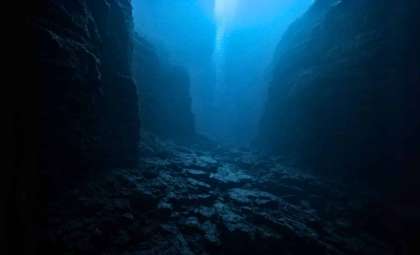
For a long time, enigmatic and eerie sounds arising from the Mariana Trench—the planet's deepest oceanic spot—have mystified oceanographers. These strange audio signals, echoing the calls of whales, have now been definitively linked to a specific whale species, solving a puzzle that began nearly a decade ago in 2014.
Initial Discovery and Continued Enigma
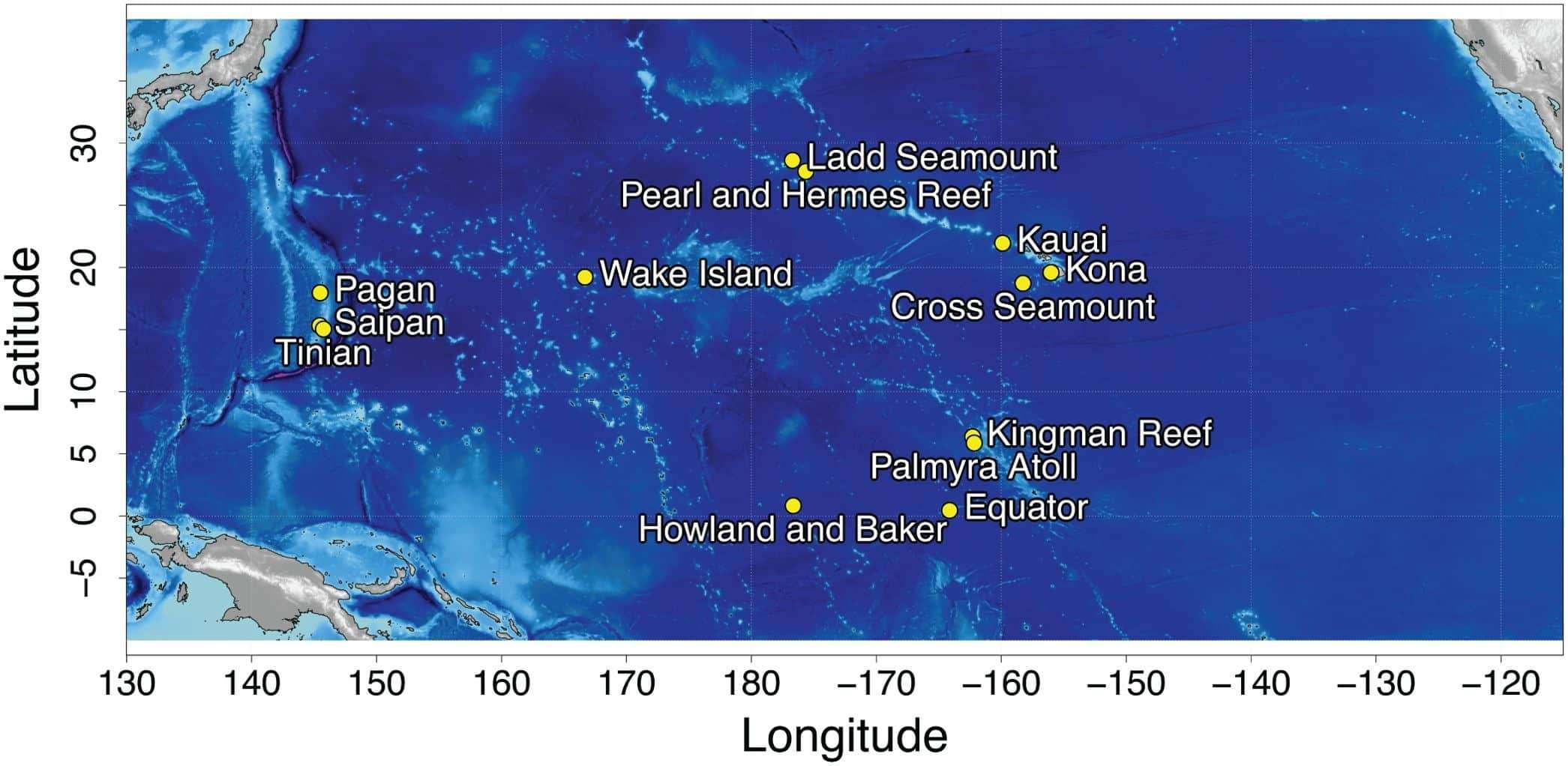
The first recordings of these peculiar noises were made in 2014 by ocean researchers employing underwater gliders during an acoustic study near the Mariana Trench, situated over 2,400 kilometers south of Japan. The unusual sounds consisted of two segments: a deep, rumbling growl followed by a sharp, ringing tone reminiscent of sounds often featured in sci-fi films depicting space travel.
Initially, scientists were uncertain about the origin of these sounds. By 2016, a hypothesis emerged that baleen whales—such as blue whales or humpbacks known for their profound vocalizations—might be behind the mysterious calls.

However, the acoustic patterns did not align with any previously documented whale calls, further deepening the mystery.
Technological Advances Lead to Breakthrough
Significant progress was made with the incorporation of cutting-edge technology, particularly artificial intelligence. The research team applied machine learning algorithms to sift through over 200,000 hours of underwater audio data.
This approach enabled them to isolate the so-called biotwang sounds from other oceanic background noise. Their analysis revealed that Bryde’s whales, a type of baleen whale, were the creators of these distinctive underwater calls.
The team captured recordings of nine Bryde’s whales near the Mariana Islands producing identical sound patterns. Lead scientist Ann Allen remarked, “Once it’s a coincidence. Twice, it’s a chance. Nine times, it’s definitely a Bryde’s whale.”
Linking Sounds to Whale Migration
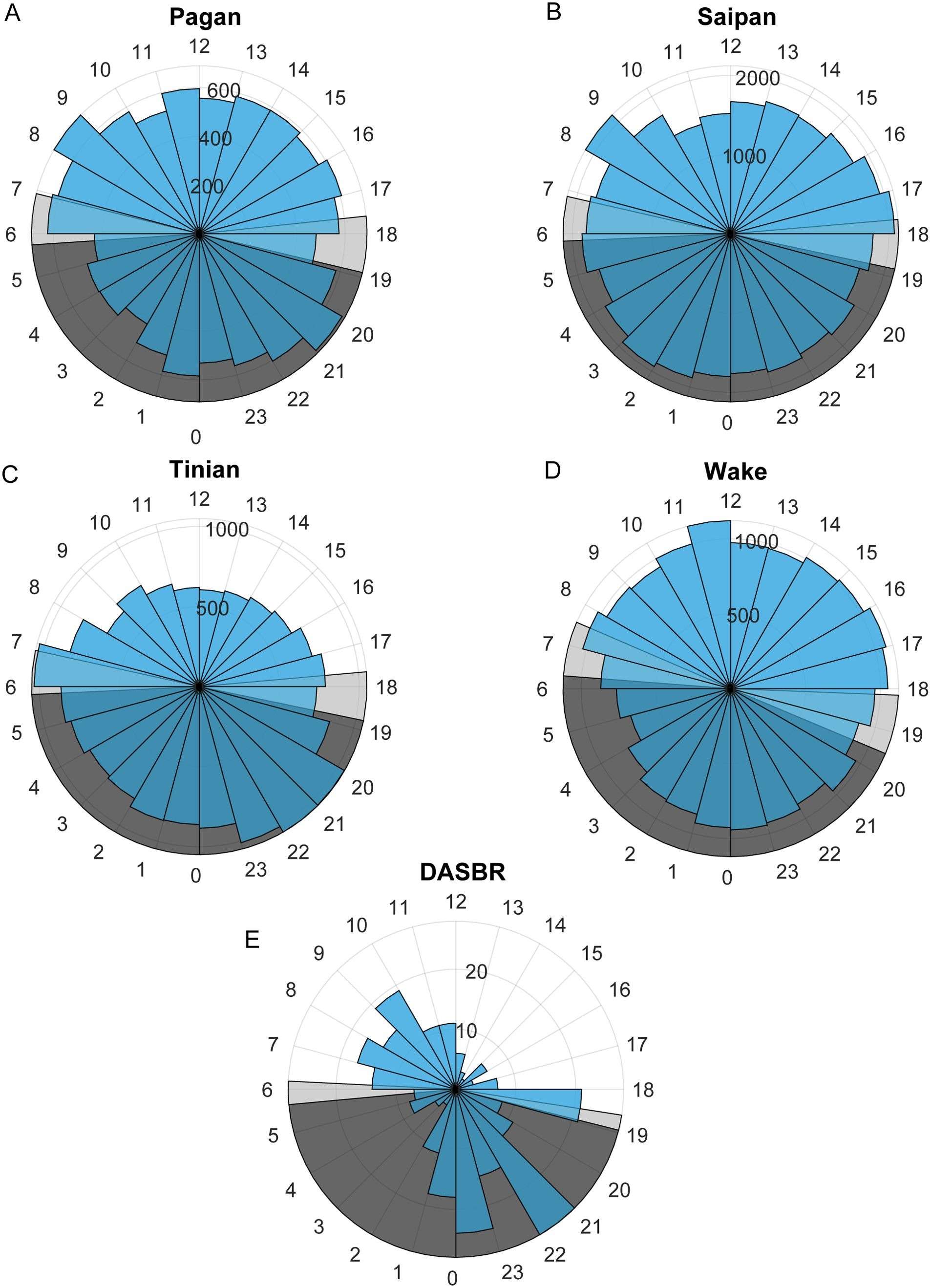
Further research connected the timings of these acoustic signals with Bryde’s whale migration habits.
Using data collected from monitoring stations throughout the Mariana Islands, scientists observed consistent detection of these sounds in the northwestern Pacific, pointing to a distinct Bryde’s whale population as the source.
Despite identifying the whales responsible, the purpose of these unusual vocalizations remains uncertain. Ann Allen suggested the biotwang calls might assist whales in finding each other across the expansive ocean.
She compared the calls to a “Marco Polo” game, allowing whales to maintain contact. Nonetheless, additional investigations are necessary to decipher the full significance and function of these sounds.
- Categories:
- Science









0 comments
Sign in to Comment