
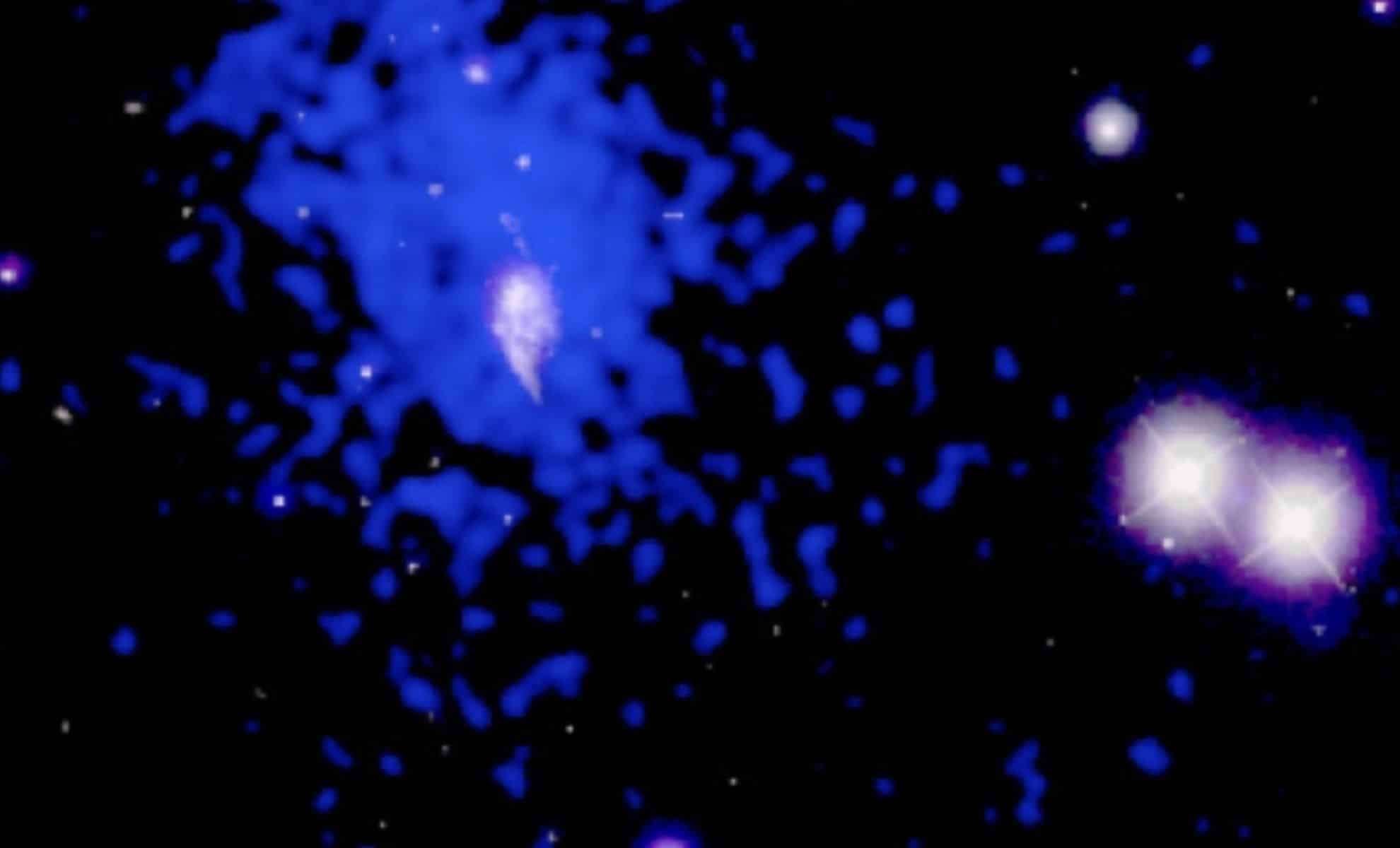
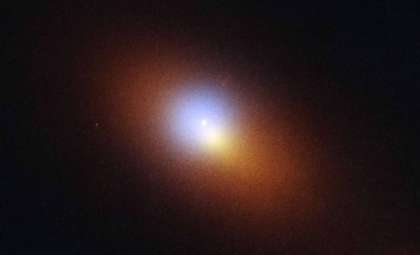
In a stunning astronomical breakthrough, researchers have observed a supermassive black hole reviving after billions of years of inactivity within the galaxy cluster CHIPS 1911+4455, situated approximately 6 billion light-years away. As chronicled by the National Radio Astronomy Observatory (NRAO), this rare detection provides invaluable insights into the earliest phases of black hole ignition and how these cosmic titans begin to impact their surroundings. Utilizing cutting-edge instruments like the Very Long Baseline Array (VLBA) and Very Large Array (VLA), astronomers captured strikingly detailed observations of the awakening process.
Currently only about 1,000 years into its active state, this black hole serves as a cosmic infant, presenting a unique chance to monitor the transition from a dormant state to vigorous activity. This discovery fills a critical void in understanding the lifecycle of supermassive black holes, particularly their nascent development stages.
Emergence of Cosmic Titans: A Black Hole Awakens After Billions of Years
The phenomenon of black holes shifting from dormancy to activity has remained elusive, largely because most studied black holes have been active for millions of years. The reactivated black hole in CHIPS 1911+4455 offers an extraordinary early-stage snapshot of this transformation. Myriam Gitti from the University of Bologna highlights, “The jets are so young and small that they haven’t had time to push away the surrounding hot gas, this creates a perfect natural laboratory for studying how black holes first begin to influence their cosmic neighborhood.” This early phase is pivotal for real-time study of black hole-environment interactions.

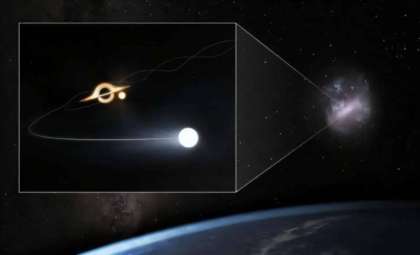
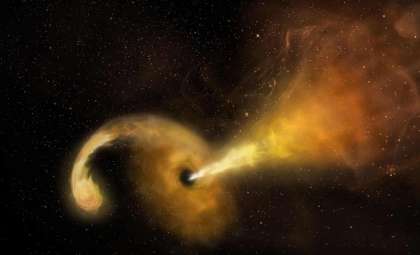
While mature black holes launch jets stretching tens of thousands of light-years, the youngster’s outflows span only about 100 light-years—immense from a human perspective, yet minuscule astrophysically. This limited size provides an ideal setting to analyze the black hole’s behavior at the onset of activity, marking a rare observational window seldom available in black hole research.
Starburst Galaxies and Their Connection to Black Hole Activation
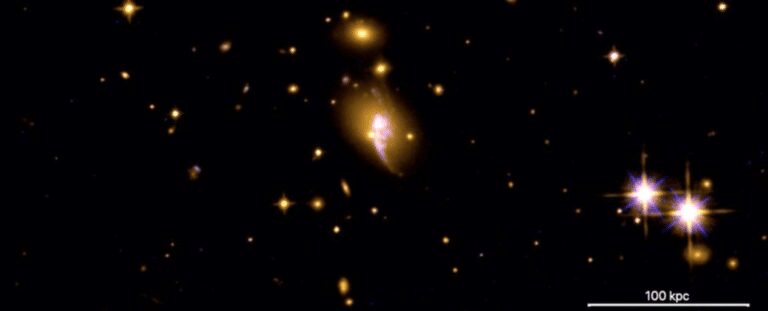
The host galaxy of this rejuvenated black hole features an extraordinary pace of star creation, birthing stars 140 to 190 times the mass of the Sun annually. This rate far surpasses the Milky Way’s modest one solar mass per year. This intense stellar production might hold clues about the triggers behind black hole reactivation. Researchers propose that efficiently cooling hot gas in the vicinity may be funneling fuel into the black hole's reignition.
The link between rampant star formation and black hole activity continues to puzzle scientists. Gas and dust supply the essential ingredients both for star genesis and energizing supermassive black holes. Deciphering this relationship may unlock key insights into how galaxies grow and evolve, and how black holes govern star birth across cosmic history.
Supermassive Black Holes as Architects of Galaxy Evolution
Far from passive, supermassive black holes actively shape the development of their host galaxies by regulating star formation and influencing galactic structure over immense timescales. Observing this newly awakened black hole offers a rare opportunity to watch these massive entities engage with their environment from the very outset, impacting star formation rates and matter distribution within the galaxy.
Grasping how these black holes wield influence is vital for unraveling mysteries about galaxy evolution. Over epochs, they can modulate gas and dust flow, possibly curbing explosive star birth or disturbing galactic stability. By capturing activity at its inception, astronomers gain precious understanding of how these colossal forces grow and coevolve with their galactic homes.
Advanced Telescopes Provide Sharp Views of Black Hole Awakening
Astronomers employed premier observatories such as the VLBA and VLA to scrutinize this rare celestial event. The incredible resolution achieved enabled them to discern the intricate features of the black hole’s nascent jets, likened to reading fine print from thousands of miles away. Such precision is essential since black hole outbursts unfold over extended spans, and the faint jets hold crucial clues about the neighboring environment.
By combining multiple telescopic perspectives, the team secured a multi-dimensional grasp of the phenomena. Some instruments captured ultra-high resolution jet details, while others detected subtle emissions linked to vigorous star formation. This comprehensive approach allowed researchers to construct a nuanced portrait of the initial impact black holes have on their cosmic surroundings.
A Rare Early Look at Black Hole Evolution
Most observations focus on black holes active for millions of years, leaving early developmental phases a mystery. The freshly reactivated black hole in CHIPS 1911+4455 offers a valuable glimpse into the preliminary stages of black hole influence on their environment. Watching this interaction in progress promises to deepen comprehension of the processes guiding black hole evolution.
Studying these formative stages could revolutionize astrophysical models of galactic and black hole formation. As black holes expand and mature, their signatures help unravel the history of the universe’s largest structures, including galaxies, stars, and clusters. This discovery of a “newborn” black hole stands as a pivotal point for ongoing cosmic exploration.
- Categories:
- News



0 comments
Sign in to Comment