

The line between user-friendly gadgets and AI errors is becoming increasingly blurred. Devices initially created for observing wildlife are now equipped with capabilities typically found in home surveillance systems. This merging has led to unexpected challenges: what occurs when a bird-watching camera incorrectly signals the detection of a person?
Artificial intelligence is now deeply integrated into everyday household devices, going far beyond voice assistants and smart thermostats. Technologies behind doorbell cameras and automated feeders use the same principles of motion sensing and object identification, sometimes without users fully grasping their limitations or potential inaccuracies.
A recent incident with a smart bird feeder camera in the Netherlands highlighted this issue. The device’s notification indicated the presence of a human figure during a typical morning check. This led not to a crisis, but widespread curiosity and careful inspection online.

The shared video showed no clear human figure, yet the alert raised important questions: What was actually detected by the camera? And how should users interpret AI interpretations of unclear outdoor footage?
AI Detection Error Disrupts Routine Monitoring
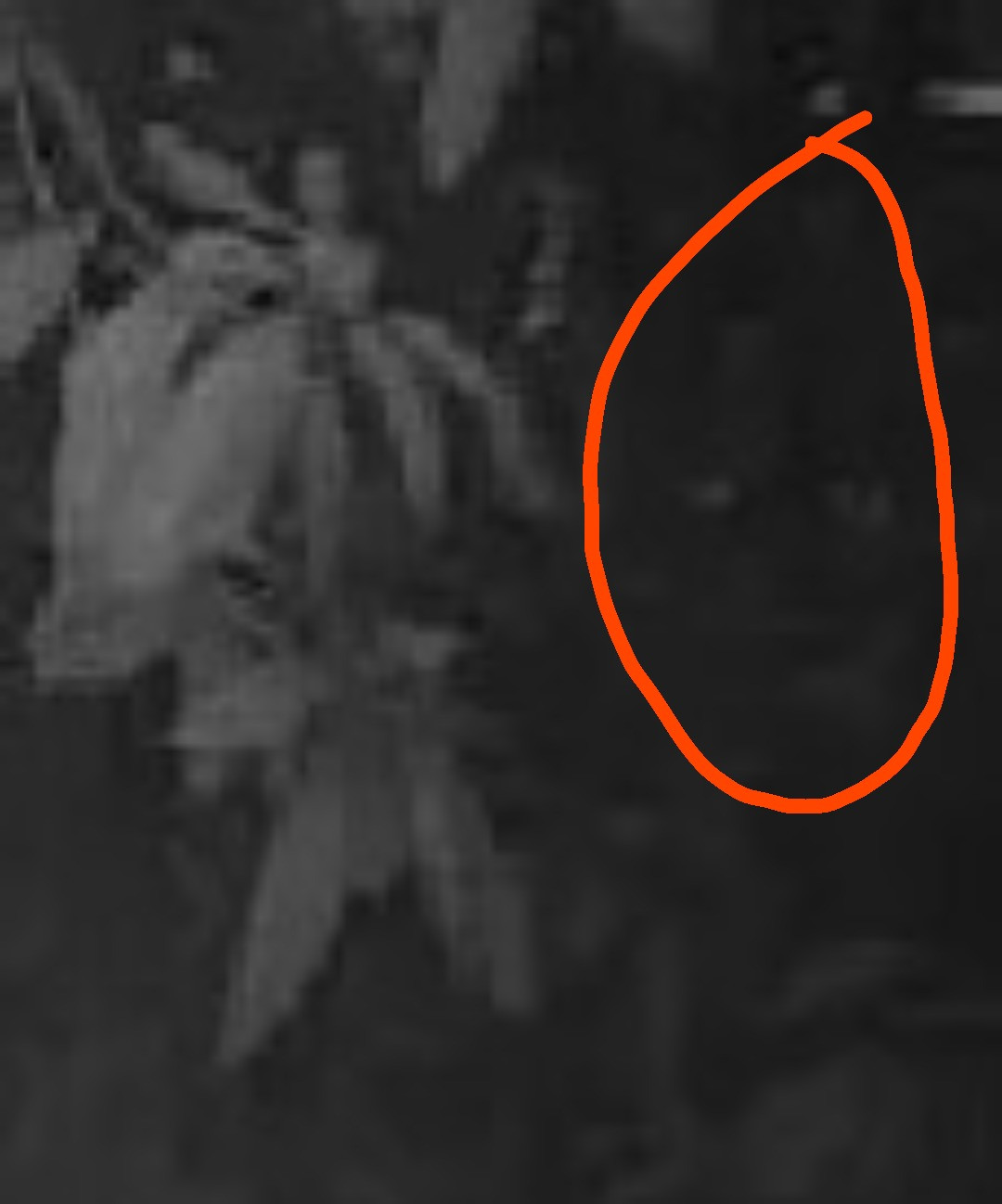
In early January, Reddit member casperlakes got a “human body detected” alert on his smart feeder’s app. At 8:08 a.m. local time, a night vision snapshot showed a small bird perched on the feeder alongside what seemed to be a face-shaped figure among the nearby plants.
No other sign of human movement was evident. The user noted no previous such alerts, though several followed in subsequent days. “I believe the bird triggered the alert, and the face was just an eerie coincidence,” he explained in comments on Reddit’s r/Weird forum.
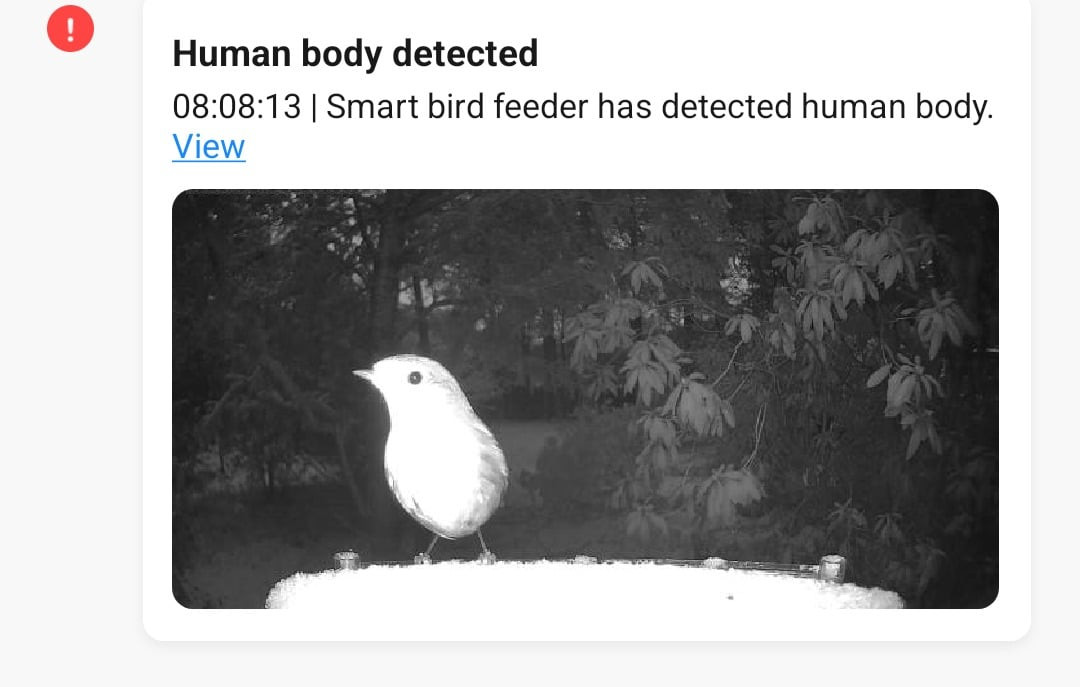
Viewers largely attributed the face-like image to pareidolia, a psychological tendency to interpret vague patterns as familiar shapes like faces. Others pointed to the interplay of shadows, leaves, and perspective distortion, suggesting these caused the illusion. Coverage from outlets like UNILAD elevated public interest and elaborated on the user’s account.
Technical Perspective Reveals AI Classification Glitch
Cameras with AI designed for wildlife rely on motion-detecting sensors and classification software to analyze activity in their field of view. These programs are typically trained with extensive data, allowing them to differentiate objects under standard conditions. Still, unusual outdoor environments can cause errors due to varying light and motion.
No official logs or system details were made available, hindering technical analysis. However, given the visuals, it’s probable the device confused the bird’s movement or a cluster of branches for a humanoid outline. The low lighting and infrared glow used for night vision likely contributed to this incorrect alert.
Similar challenges plague AI-based monitoring systems. A 2023 report from MIT Technology Review highlighted that, despite advances, misidentification remains common in dim or complex scenes.
Experts in visual machine learning have also noted frequent false alarms in technologies such as autonomous vehicles and facial recognition systems. These errors often arise outside controlled training environments and are triggered by obstruction, poor contrast, or unusual viewing angles.
Mismatch Between Features and User Expectations
The specific camera model has not been disclosed, but the alert language—“human body detected”—led to debate over why such a function is included in a consumer device aimed at casual bird watching. Several Reddit participants questioned the logic of incorporating human detection in this context.
There has been no official comment from the manufacturer. Without more details, it’s unclear if this feature is standard, part of a third-party plug-in, or enabled intentionally by the user.
This blend of recreational features with security-like capabilities is becoming more prevalent in consumer technology. A Pew Research Center study found many users are unaware of the data collection or AI-driven functionalities in their home gadgets.
Consequently, alerts intended for rare situations often confuse users during everyday use.
- Categories:
- News











0 comments
Sign in to Comment