
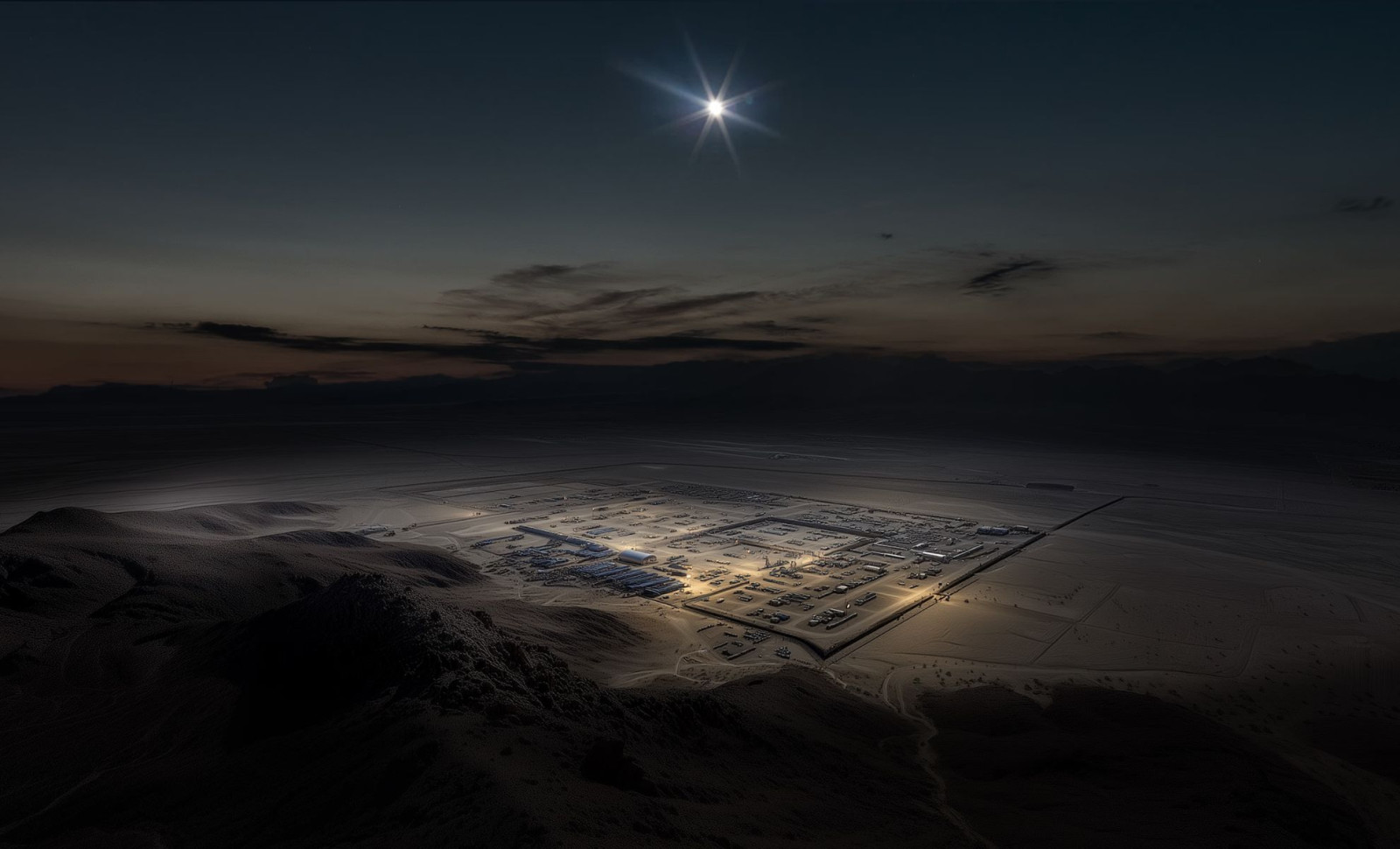
An innovative startup based in California plans to deploy massive orbital mirrors that bounce sunlight down to Earth’s surface after dusk. Their initial satellite launch is scheduled for April 2026, even as the proposal faces criticism from astronomers, environmental advocates, and sleep experts.
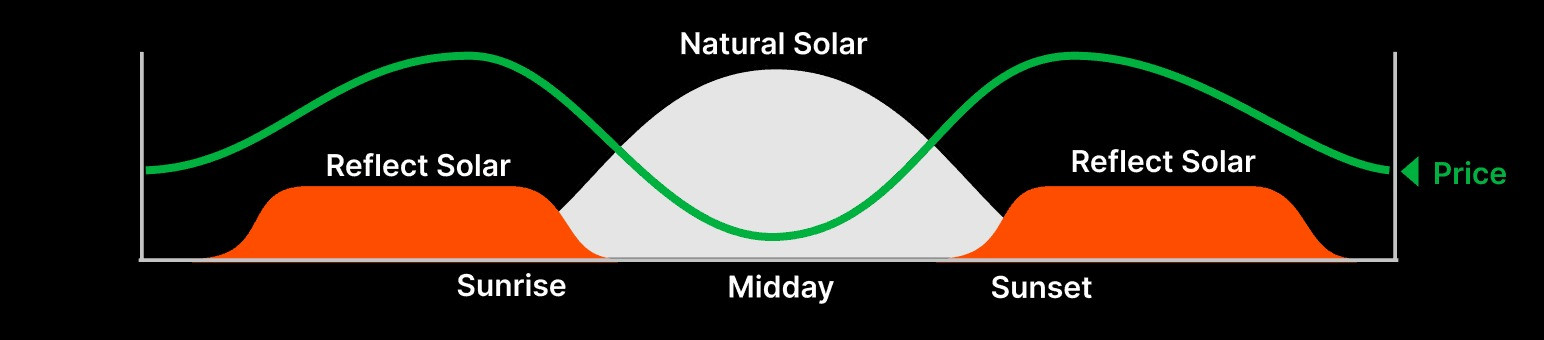
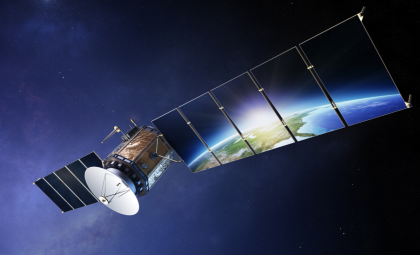
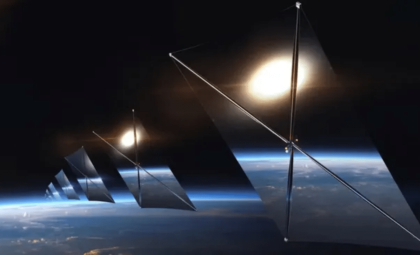
The company, Reflect Orbital, imagines a world where nightfall no longer restricts activity. By positioning thousands of 55-meter-wide reflective panels in low Earth orbit, the firm aims to channel sunlight toward solar installations and other essential zones during nighttime. These satellites will orbit in a sun-synchronous path, skimming the border between day and night to continuously capture and redirect sunlight after dark.
Challenges From the Artificial Nighttime Illumination
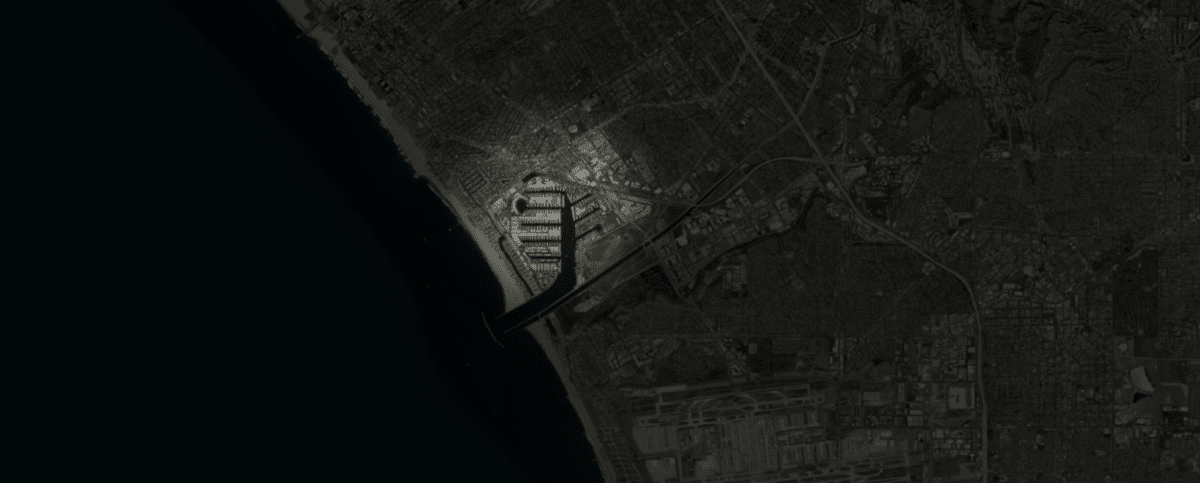
Reflect Orbital’s mirrors function as enormous reflectors, emitting diffused light beams toward Earth’s surface. Given the Sun’s sizeable presence in the sky, the reflected light naturally disperses over broad regions, diminishing its intensity and complicating precise targeting.

“Reflect Orbital is pioneering a new category in-space infrastructure,” stated Josh Wolfe, Managing Partner at Lux Capital. “We believe their on-demand illumination technology has the potential to reshape how we solve problems on Earth–from critical operations to energy resilience.”
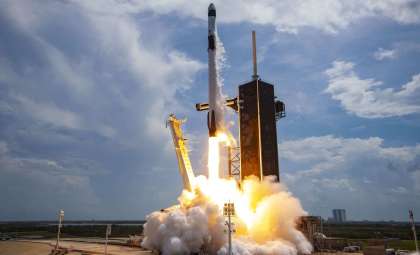
As reported by Communications Daily, the firm has submitted its initial testing satellite, named Earendil-1, to the Federal Communications Commission for approval, aiming for a launch in early April 2026. Moreover, according to Earth.com, atmospheric scattering caused by particles can extend the reflected light’s reach up to 96 kilometers beyond the intended area.
Impact on Astronomy and Nighttime Observation
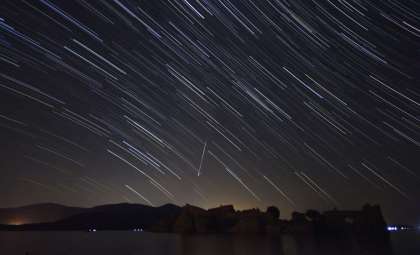
The astronomical community has voiced serious concerns over the introduction of these space mirrors, highlighting increased difficulties in obtaining clear night sky observations. NASA scientist Dr. Alejandro S. Borlaff, whose research was featured in Nature, explains that reflected light from satellites creates streaks on telescope imagery, obscuring faint cosmic objects and disrupting critical time-sensitive measurements.
Although image processing techniques exist to remove satellite trails, they often result in data loss within the affected regions. Dr. Borlaff’s work reveals that about one-third of images from the Hubble Space Telescope are compromised by satellite interference. As the quantity of satellites grows, the issues of sky brightness pollution and reduced image clarity become even more pressing.
Experts estimate the direct beam from one mirror could shine up to four times brighter than the full moon. Such intense illumination during night hours might overwhelm sensitive scientific instruments, obstructing the detection of faint asteroids, distant galaxies, or fleeting cosmic phenomena.
Effects of Artificial Night Light on Wildlife and Humans
Nocturnal creatures such as birds and insects depend on darkness for feeding, resting, and navigation. Earth.com points out that abrupt or constant exposure to artificial light can disrupt their natural cycles and induce stress. Humans are also vulnerable: nighttime brightness can impair sleep quality, suppress melatonin production, and negatively impact mental well-being, especially when the light source is overhead and unavoidable.
Beyond ecological and health concerns, the issue of consent arises. Individuals residing beneath these illuminated zones will experience effects without having a say. Moreover, while private entities might control when and where the light is deployed, the environmental impact could cross borders unchecked, raising governance challenges in the absence of international regulations.
- Categories:
- Space




0 comments
Sign in to Comment