
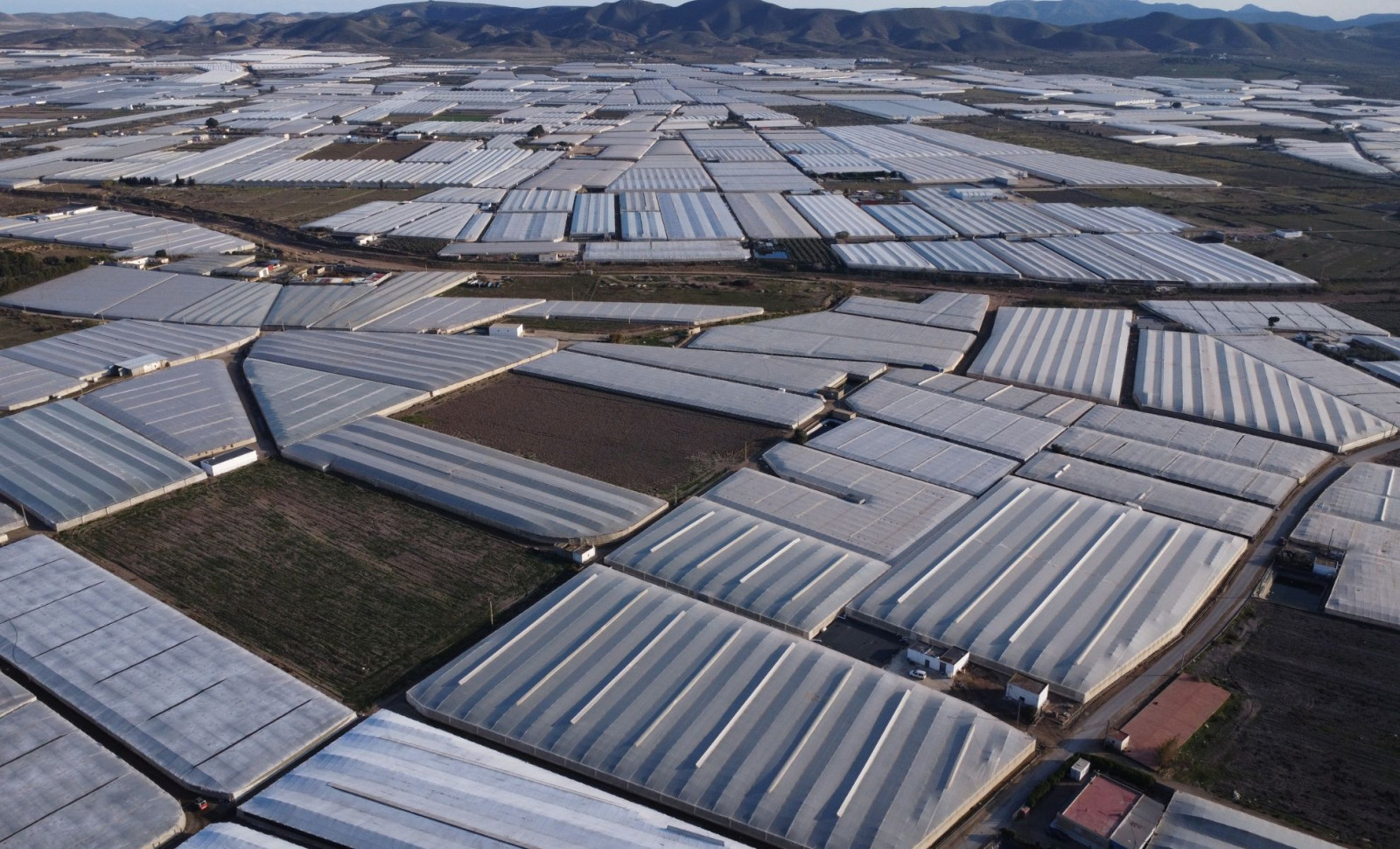
In the southern region of Spain lies a remarkable feature visible from outer space—not an ancient monument, but an expansive network of greenhouses.
Referred to as the “Sea of Plastic,” this vast agricultural landscape in Almería stands out as one of Earth’s most prominent human-made structures when viewed from above. Contrary to popular belief, it's this collection of greenhouses—not the Great Wall of China—that is clearly discernible from space.
Spanning an area exceeding 40,000 hectares, Almería’s greenhouses transformed an otherwise arid desert into a thriving hub of agriculture. However, their presence also introduces environmental issues that merit attention.

From Barren Desert to Agricultural Powerhouse
The metamorphosis of Almería from dry, inhospitable land into a robust farming region is truly extraordinary. In the 1950s, this area was characterized by salty, infertile soil unsuitable for conventional agriculture. According to a NASA report:
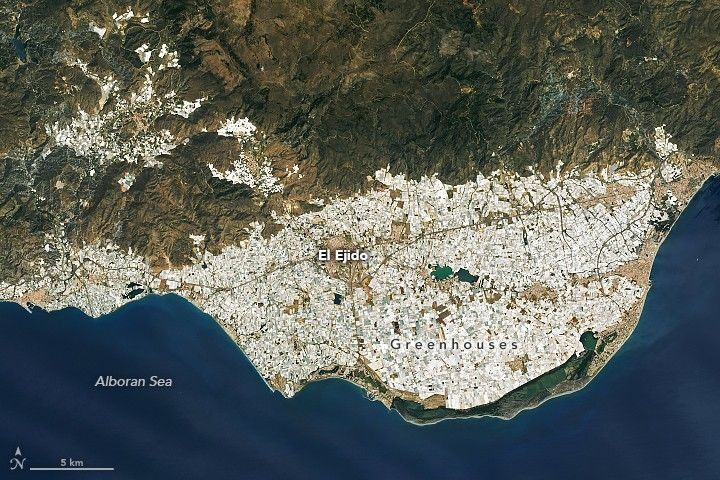
Local farmers initially experimented with plastic covers to prevent soil erosion and retain moisture. This simple innovation eventually evolved into the expansive greenhouse systems visible today.
“By some estimates, Almería’s greenhouses now produce between 2.5 million and 3.5 million tons of fruits and vegetables per year, enough to make them a major source of off-season tomatoes, peppers, cucumbers, and melons for people all over Europe,” added the U.S space agency.
A Striking White Spot Visible from Orbit
Viewed from orbit, the greenhouses in Almería are impossible to miss. Their bright white coverings contrast sharply with the surrounding earthy terrain and Mediterranean coast. Spanish astronaut Pedro Duque described the area as a glaring “white patch” from space. Constructed from reflective polyethylene, these roofs reflect sunlight back into the atmosphere, producing a shimmering effect noted by Futura-Sciences.
Stretching over 40,000 hectares, this immense greenhouse complex ranks as one of the world’s largest. Thanks to their uniform, geometric layout and stark white appearance, these structures stand out clearly in orbital imagery.
Environmental Impacts Behind Agricultural Triumph
Although these greenhouses have revolutionized agriculture in the region, they also pose significant environmental concerns. The widespread use of plastic coverings raises issues surrounding accumulation of non-biodegradable waste.
Furthermore, irrigation demands exert considerable stress on local water reserves. Although crop yields have flourished under these controlled conditions, the strain on limited water resources presents an ongoing challenge. NASA data even indicates that the reflective surfaces of these greenhouses have caused a modest cooling effect locally. However, this does not offset the problems of plastic debris and water shortages affecting the area.
- Categories:
- News










0 comments
Sign in to Comment