
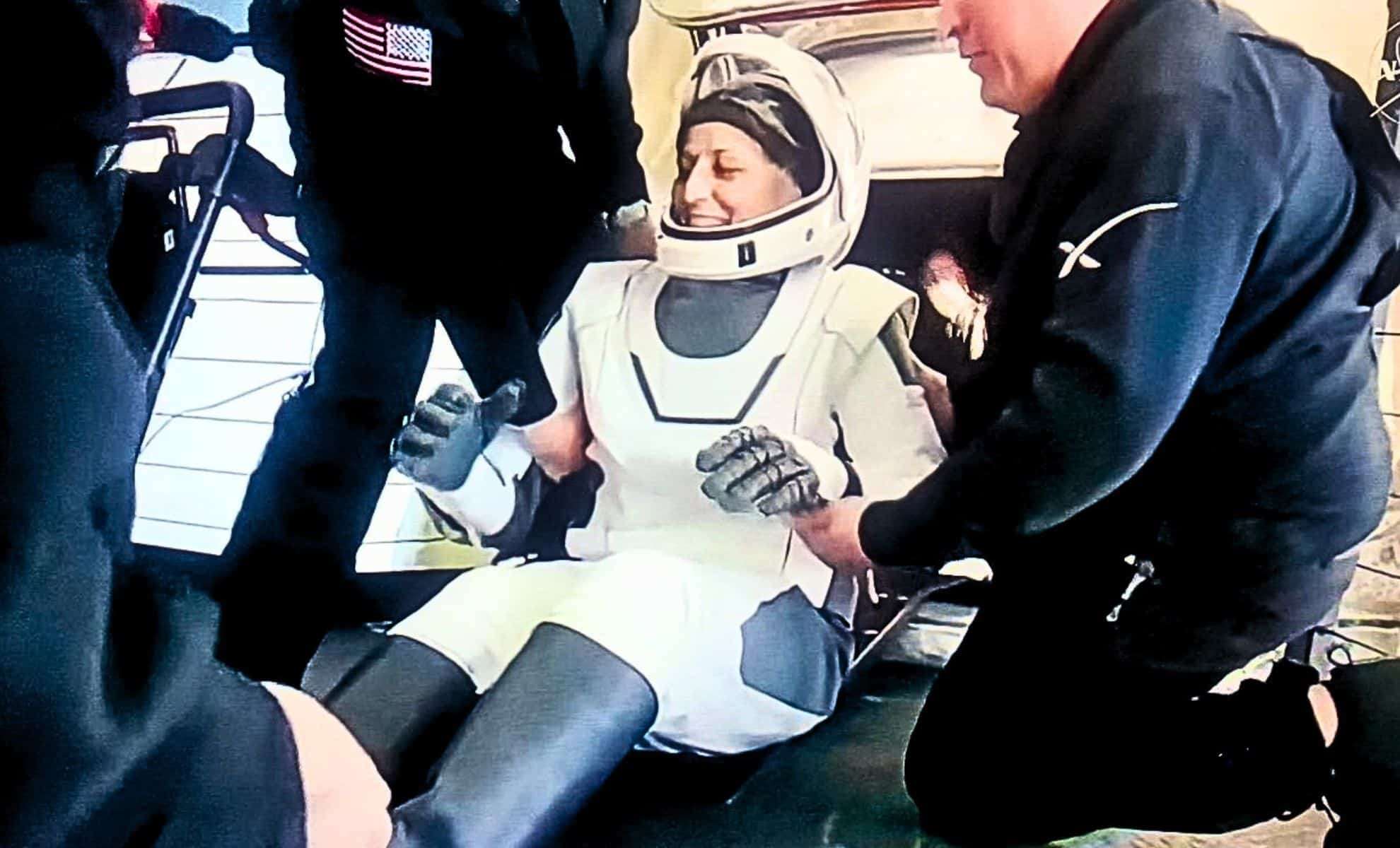
Following an unplanned nine-month stay aboard the International Space Station (ISS), astronauts Suni Williams and Butch Wilmore have returned to Earth, revealing significant physical transformations. Initially intended as a brief mission, their time in orbit extended due to unexpected technical delays. Upon landing on March 18, 2025, medical experts observed notable changes in their physiques, sparking discussions about the impact of prolonged space travel on human health.
An Unexpected Extension in Space
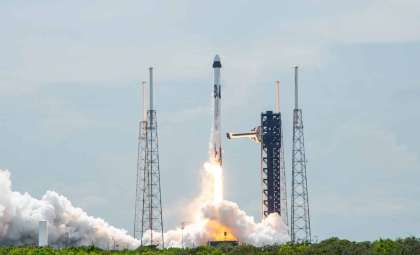
Originally designed as an eight-day expedition, the mission unexpectedly evolved into a nine-month journey following complications that postponed their return. This extension provided valuable insight into the profound effects of long-duration weightlessness on the human body.
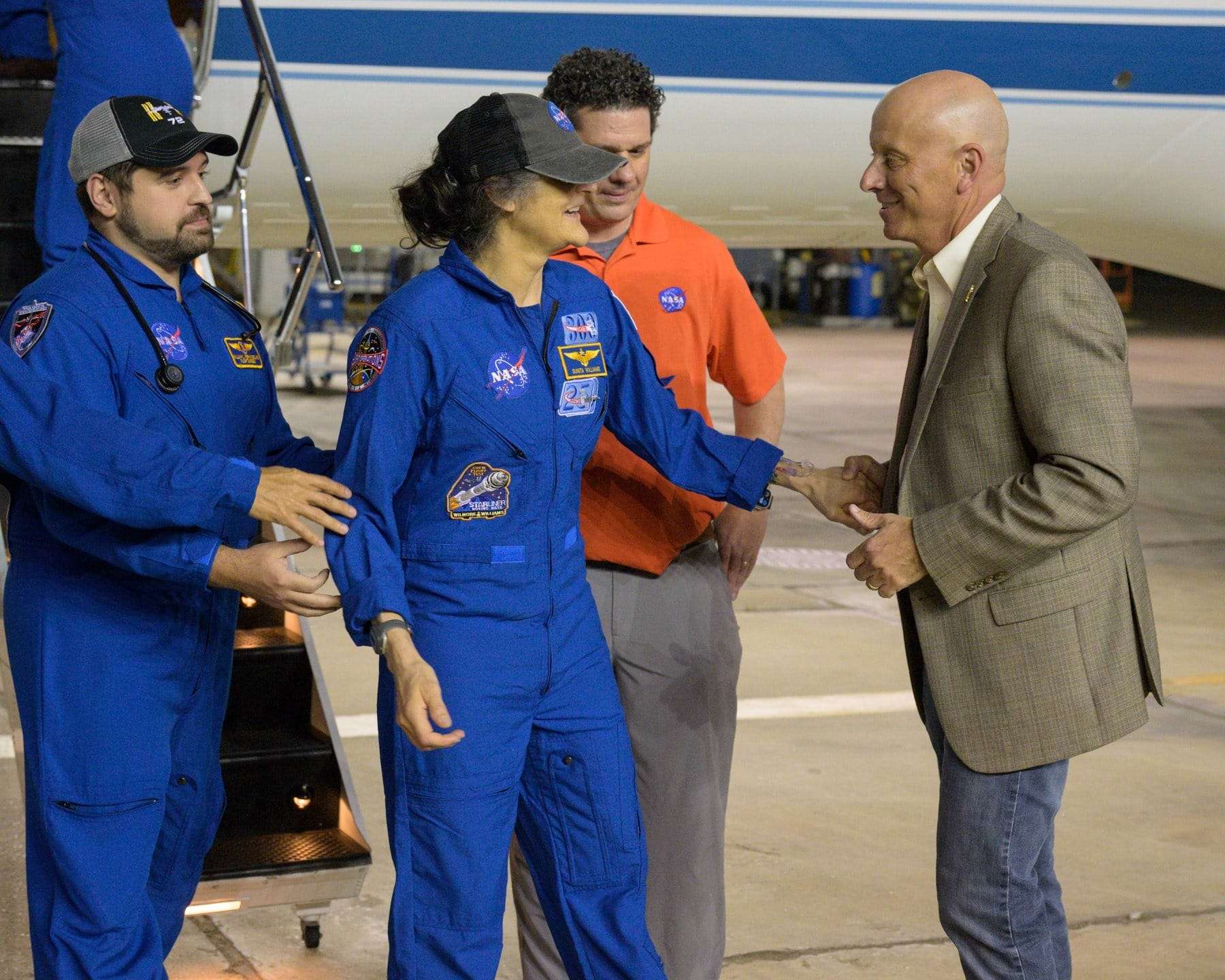
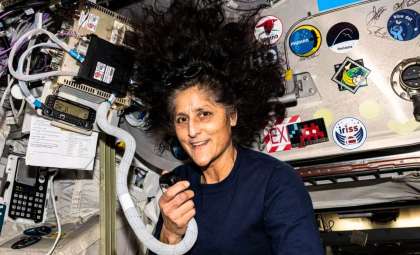
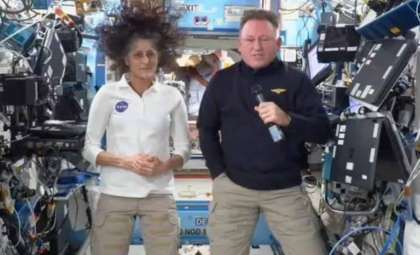
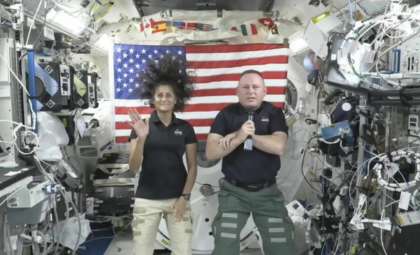
Recent images depict Suni Williams looking considerably leaner and more exhausted, with observers noting her prominently slim wrists and an overall tired appearance.

Similarly, astronaut Butch Wilmore displayed parallel signs of physical stress in the photos. Their altered appearances illuminate the challenges extended missions pose for astronauts' physiology.
How Microgravity Impacts the Human Body
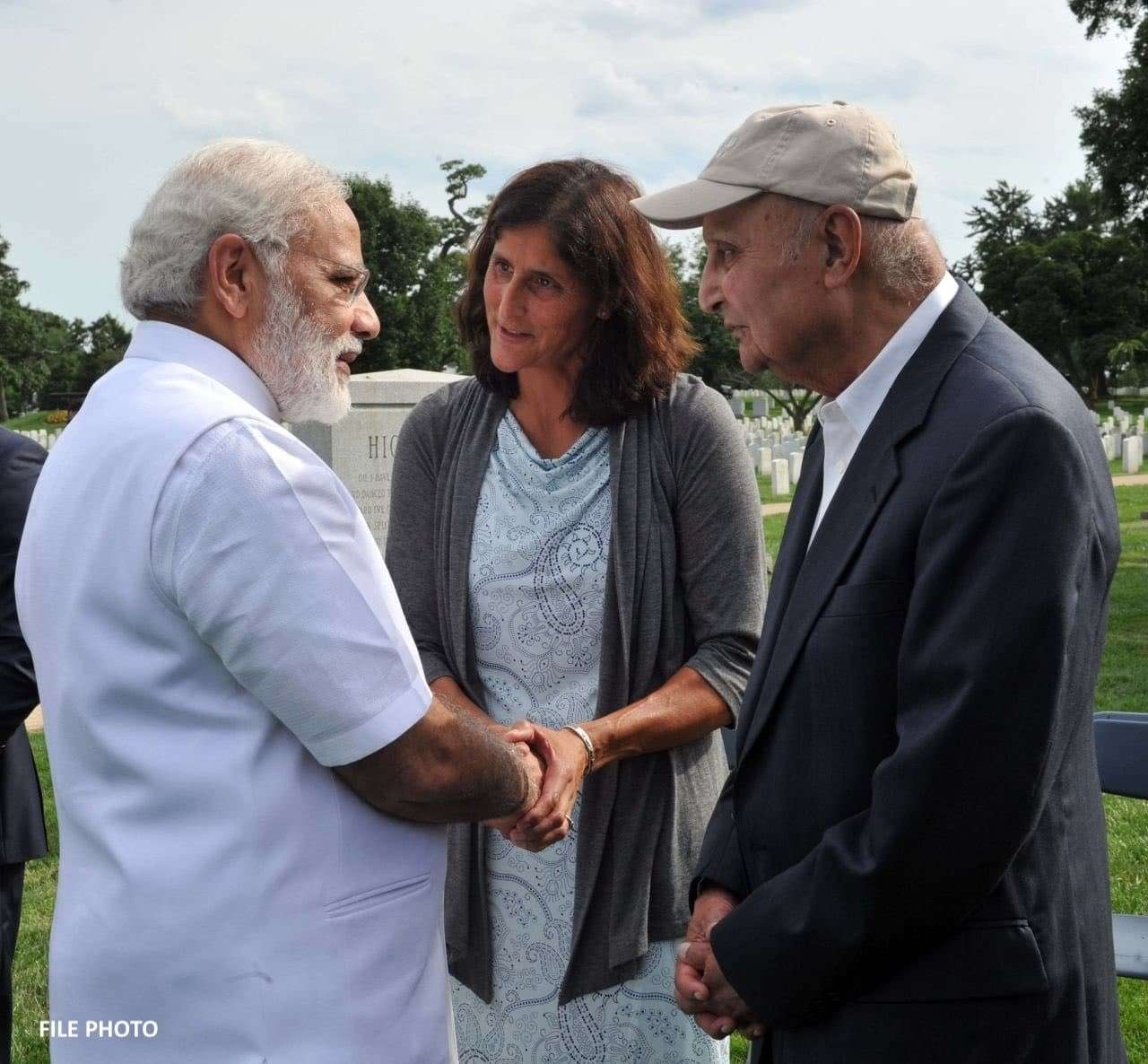
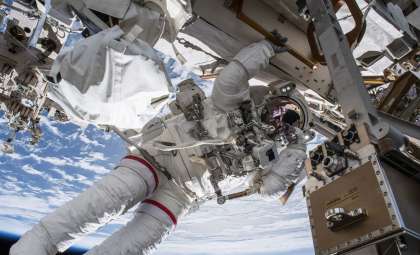
Spaceflight involves much more than just navigating zero gravity environments; the continuous exposure to microgravity profoundly affects muscles, bones, and other critical systems. Suni Williams, age 59, and Butch Wilmore, age 61, exemplify the physical burdens astronauts endure during lengthy missions.
Medical assessments highlighted severe muscle wasting and loss of bone density especially evident in Williams. In microgravity, muscular effort decreases while bones no longer support the body's weight, accelerating deterioration.
Astronauts commonly shed roughly 1% of bone mass each month, weakening bones and heightening fracture risks. The absence of gravitational force also hampers digestive processes, further contributing to weight decline and physical strain.
Dr. Vinay Gupta, a pulmonologist and Air Force veteran, noted that without gravity, muscles lose the resistance required to maintain their strength, leading to marked atrophy and weight reduction.
According to Dr. John Jaquish, a medical science specialist, impaired digestion compounds muscle and bone loss, complicating post-mission recovery.
Cardiovascular and Visual Health Challenges
Beyond the visible physical decline, both astronauts face invisible yet serious internal effects. The hearts of Suni Williams and Butch Wilmore have weakened due to reduced gravitational forces.
On Earth, the heart exerts more effort pumping blood against gravity, but in the weightless environment of space, this resistance fades, causing cardiac muscle weakening.
Moreover, extended exposure to cosmic radiation poses risks to the astronauts’ vision, potentially resulting in lasting damage. Their eyes encountered higher radiation levels than expected, raising concerns about an elevated cancer risk.
Healing Earthside and Future Considerations
Despite these physical setbacks, recovery is anticipated thanks to NASA’s robust rehabilitation strategies.
Upon return, the astronauts will participate in an intensive rehabilitation program at the Johnson Space Center in Houston, focused on restoring muscle mass, bone strength, and overall health affected by extended space travel.
The gradual recovery process underscores the significant physiological costs of long missions in space. As space agencies plan future expeditions to the Moon and Mars, comprehending how the body adapts beyond Earth remains crucial for mission success.
- Categories:
- Space





0 comments
Sign in to Comment