

Marking a significant event since June 2022, the sun exhibited a completely spotless surface on February 22, 2026, captivating the attention of researchers and astronomy enthusiasts. This unusual occurrence may indicate the sun is entering a quieter segment of its solar cycle.
Sunspots, which are cooler, darker regions on the sun’s surface, serve as direct markers of solar activity. Their sudden absence signals a temporary pause in intense solar phenomena like flares and coronal mass ejections, which can impact Earth’s magnetic environment. As the sun approaches the end of its 25th solar cycle, this interval of calm sheds light on the potential for diminishing solar turbulence.
The Role of Sunspots in Solar Dynamics
Sunspots form where the sun’s magnetic forces are especially strong, inhibiting the rise of heat to the surface and resulting in darker patches. NASA’s Solar Dynamics Observatory explains that these spots frequently precede solar flares and coronal mass ejections, launching charged plasma into space. When directed toward Earth, such events can disrupt communication satellites, GPS navigation, and electrical grids.

The sun’s magnetic intensity fluctuates over an 11-year cycle, with sunspots peaking near the cycle’s midpoint. A spotless solar disk signifies a subdued phase with markedly fewer solar eruptions, hinting that the star is progressing toward the next solar minimum.
A Fleeting Period of Stillness
This spotless condition was temporary, lasting a matter of days. Spaceweather reported the sun’s surface was free of spots on February 22, 2026, but by February 24, sunspots had reappeared. This pattern indicates that the solar cycle continues with its characteristic fluctuations. The last notable extended spotless stretch occurred on June 8, 2022, as referenced by the UK Met Office.
Although solar activity seems to be in decline, researchers warn that quiet intervals do not guarantee a complete cessation of solar events. Even during periods of minimum activity, sporadic flares and sunspots can still manifest. As noted by Spaceweather:
“Spotless days are a key indicator the solar cycle. During years around Solar Minimum, whole months can go by without a single sunspot, racking up dozens of spotless days in a row. Between 2018-2020 (the last Solar Minimum) there were more than 700 spotless days!”
Understanding the Solar Cycle and What Lies Ahead
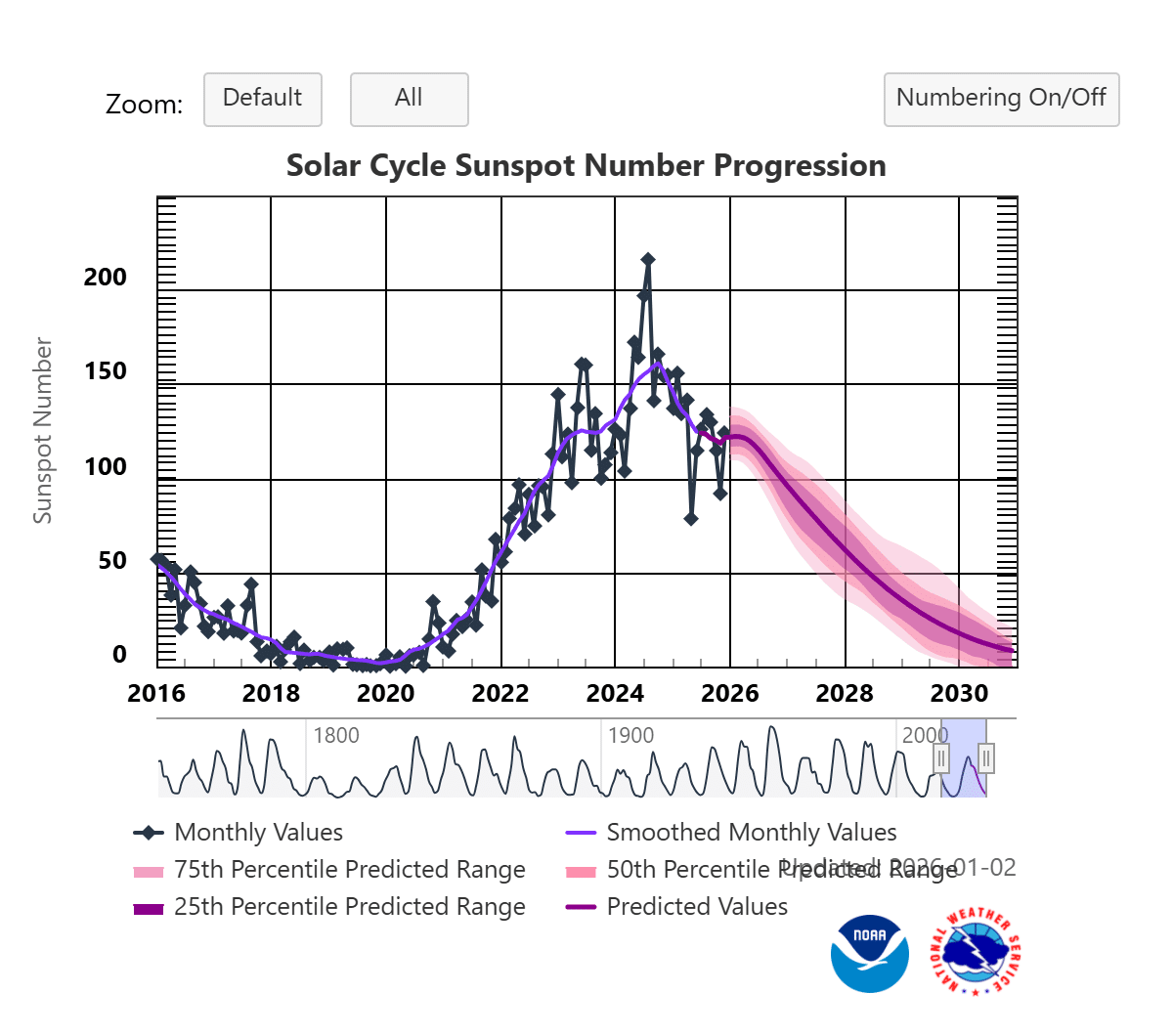
The 25th solar cycle, which reached its peak in 2024, is showing signs of progression towards a decline phase. The spotless interval in February 2026 might be an early indication of the sun heading toward its solar minimum. However, experts estimate this minimum activity phase will occur closer to 2030. During previous minima, the sun experienced extended stretches devoid of sunspots, yet solar activity inevitably rebounds.
- Categories:
- News







0 comments
Sign in to Comment