
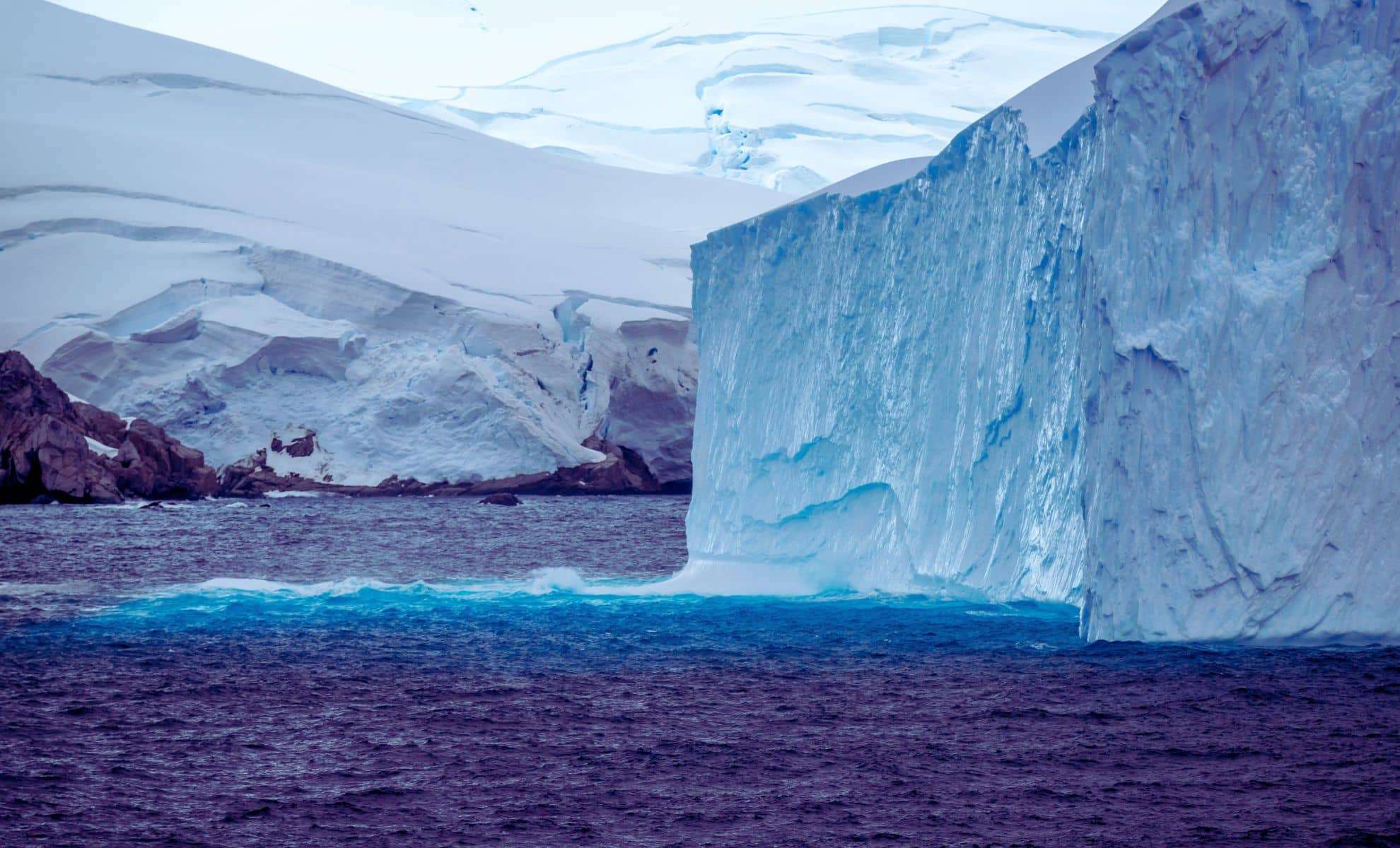
A groundbreaking Nature Climate Change study has revealed profound alterations in Antarctic phytoplankton ecosystems spanning nearly thirty years. The investigation, spearheaded by Dr. Alexander Hayward from the Danish Meteorological Institute, uncovers critical shifts at the base of the Antarctic food chain. These modifications threaten to cascade throughout marine life and hold significant implications for climate regulation worldwide.
Antarctic Marine Ecosystem Under Strain
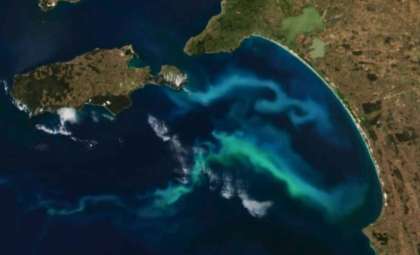
Phytoplankton, microscopic algae fundamental to Antarctica’s marine environment, are experiencing major changes that might upset ecological balance. The study documents a concerning reduction in diatoms—nutrient-rich phytoplankton essential for krill, a cornerstone species feeding many Antarctic creatures. Dr. Hayward comments: “We may be witnessing a fundamental reorganization of life around Antarctica.” This ecological turnover involves a shift from large, energy-dense diatoms to smaller, less nutritious species such as haptophytes and cryptophytes.
Diatoms play a vital role far beyond serving as krill’s food source. Their silica shells enable rapid sinking, transporting carbon deep into oceanic layers and thus acting as an important natural mechanism for carbon dioxide removal, which influences global climate regulation. The replacement by smaller algae threatens to undermine this carbon capture process, potentially intensifying climate change.

Hayward further explains, “The tiny algae at the base of the Antarctic food web are changing in ways that could ripple through the entire ecosystem—from krill to whales—and alter how the ocean helps regulate our climate.”
Influences of Sea Ice and Iron Levels
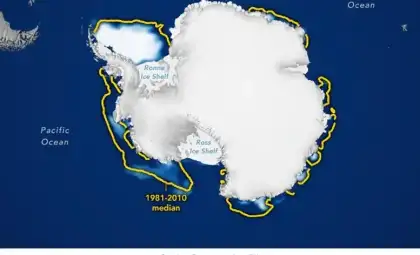
A crucial driver behind phytoplankton changes is the diminishing sea ice and altered nutrient distribution, particularly iron concentrations in surface waters. Iron, essential for diatom survival, has decreased notably over the years, leading to reduced diatom abundance.
Between 1997 and 2016, reports showed a marked drop in diatoms coinciding with sea ice fluctuations. Conversely, haptophytes and cryptophytes, more tolerant to low iron, began to dominate. Sea-ice expert and co-author Dr. Pat Wongpan remarked: “Our analysis showed that from 1997 to 2016, there were major reductions in populations of diatoms as sea ice increased.”
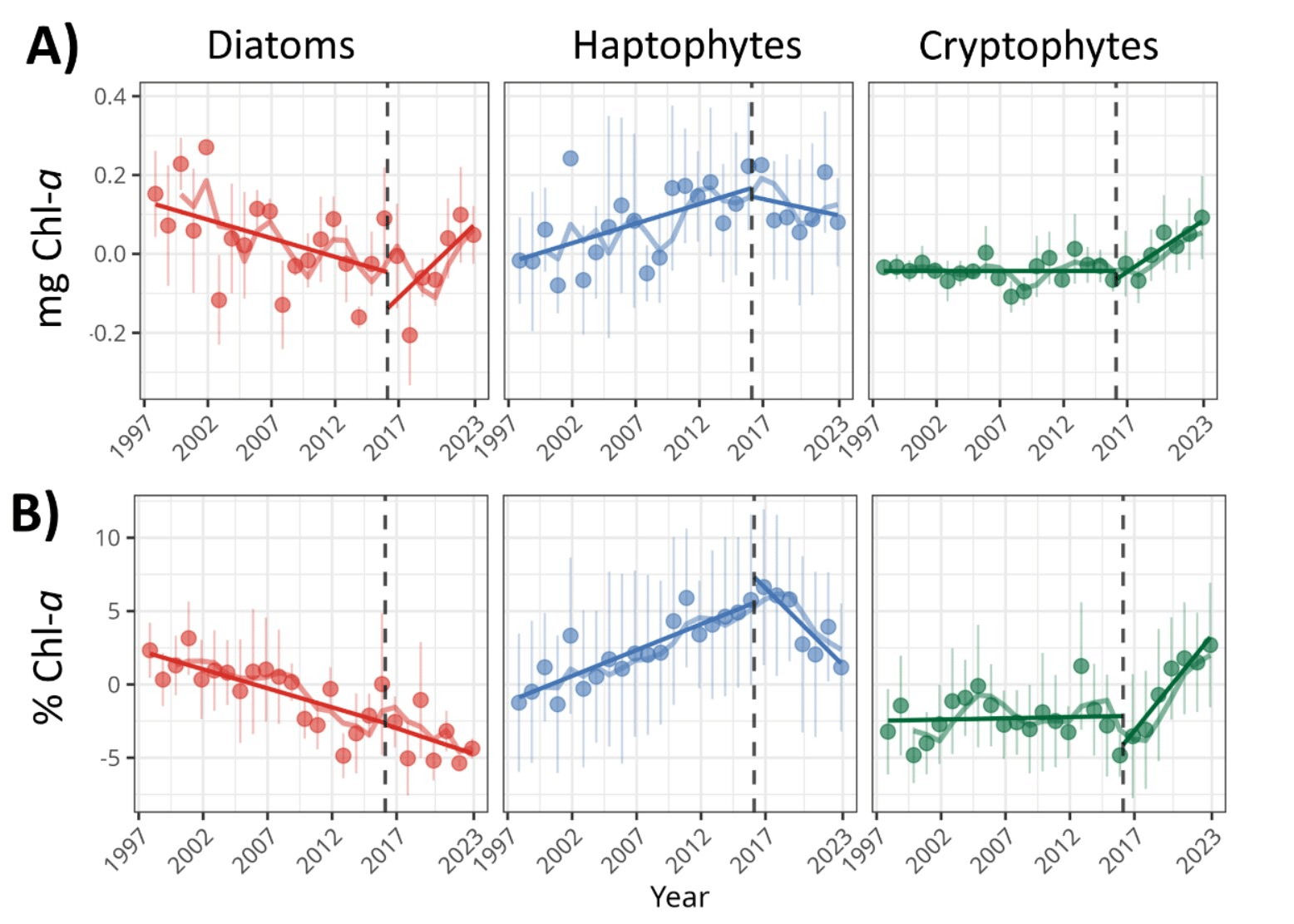
The environmental shifts have also favored plankton grazed preferentially by salps—gelatinous creatures less beneficial as food for higher predators. Dr. Wongpan pointed out, “Diatoms were replaced by haptophytes and cryptophytes that are more effectively grazed by jelly-like salps, which are poor food for fauna and less efficient in carbon transport.”
Consequences for Carbon Sequestration and Climate Feedback
The shift from diatoms to smaller algae species influences the ocean’s carbon cycling capabilities. Diatoms’ unique structure facilitates efficient carbon export to deep waters upon death, an essential part of the biological pump that helps store atmospheric CO2.
With fewer diatoms, the Southern Ocean's capacity to trap carbon diminishes. Dr. Hayward warns, “The carbon dioxide that would otherwise be stored in the deep ocean could now be released back into the atmosphere,” potentially accelerating climate change effects.
This highlights a climate feedback loop where ecosystem shifts induced by warming oceans can amplify global temperature rises by boosting atmospheric carbon levels.
Significance of Decades-Long Monitoring
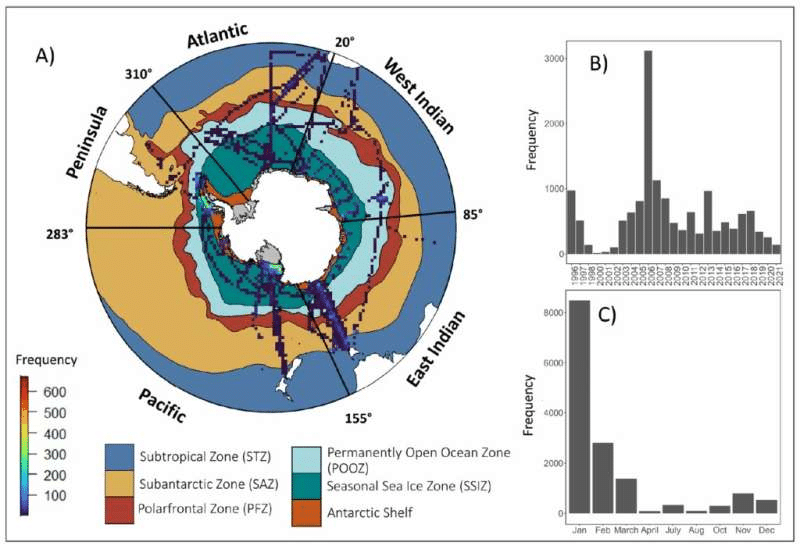
The study’s robust conclusions stem from extensive monitoring efforts, analyzing over 14,000 field samples collected in the Southern Ocean between 1997 and 2023. These included detailed phytoplankton pigment measurements, allowing researchers to chronicle evolving phytoplankton composition.
Marine biologist and co-author Dr. Simon Wright from the University of Tasmania underlined the necessity of consistent sample collection, stating, “This study highlights the value of routine and opportunistic field sampling—grabbing a water sample every now and then and seeing what’s in it. Over time it yields a valuable database.” By integrating these field data with satellite imagery and sophisticated machine learning models, the team mapped phytoplankton shifts relative to environmental factors such as sea surface temperature and ice coverage.
- Categories:
- News







0 comments
Sign in to Comment