
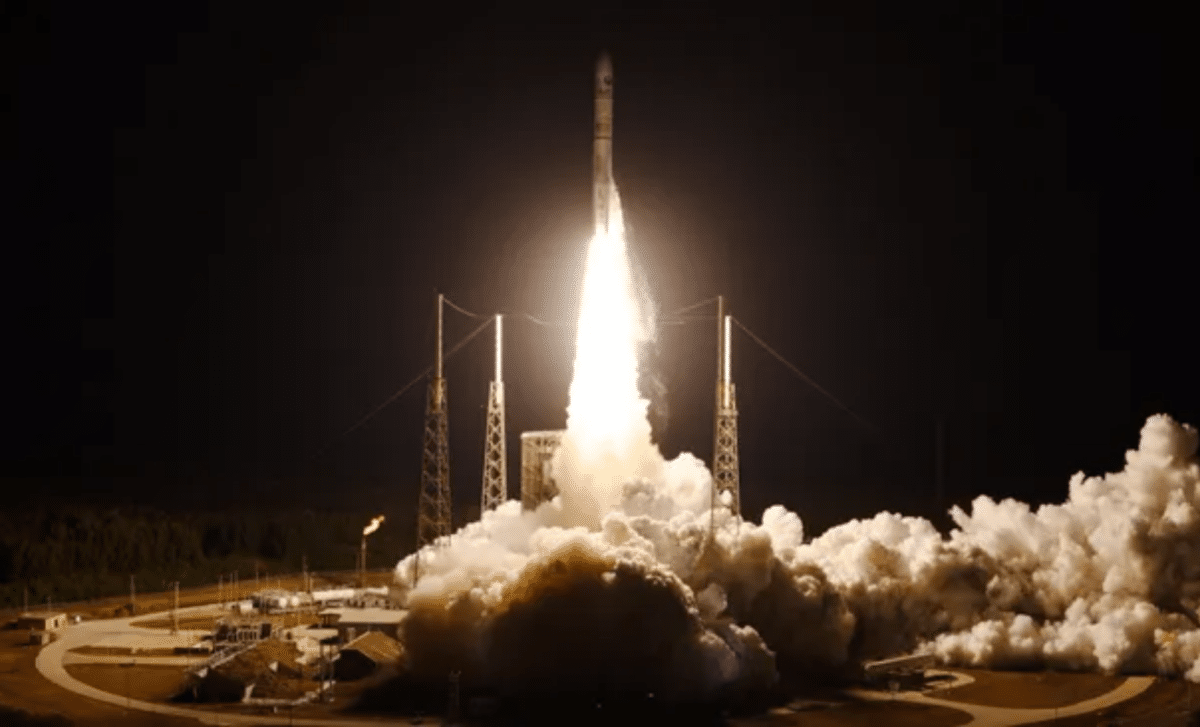
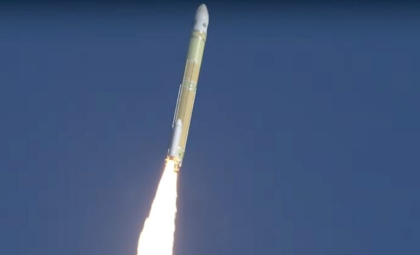
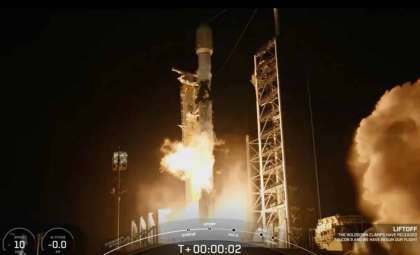
On February 12, 2026, United Launch Alliance (ULA) completed the fourth flight of its Vulcan Centaur rocket, overcoming an unexpected glitch mid-flight. Carrying two U.S. Space Force reconnaissance satellites, this mission highlights the progress of the Vulcan Centaur, which is poised to succeed ULA’s Atlas V vehicle.
Issues Encountered During Launch
This latest mission revealed a performance irregularity related to one of the four solid rocket boosters integrated into the Vulcan’s initial stage. While the new rocket system largely operated as intended, this anomaly demanded rapid intervention and vigilant tracking by the team. The solid rocket motor in question has been a source of previous challenges, raising concerns about its ongoing reliability. ULA’s swift management of the situation and ability to fulfill mission objectives illustrate the robustness of the Vulcan’s engineering. As Wentz commented,
“Despite the observation, the Vulcan booster and Centaur [upper stage] performed nominally and delivered the spacecraft directly to geosynchronous orbit.”
Add Cosmo Herald as a Preferred Source

The rocket’s resilience in sustaining course despite a technical setback is significant, but the anomaly highlights ongoing questions about the dependability of the solid rocket boosters (SRBs). These components, integral to enhancing payload capacity, have proven somewhat problematic during prior trials.
Despite this launch challenge, the precise placement of the satellites underscores the Vulcan Centaur’s potential when functioning smoothly. Nevertheless, this early-stage malfunction emphasizes the complexity involved in pioneering launch vehicle designs. According to ULA, a comprehensive review of all technical and visual data is underway to determine the anomaly’s cause. Wentz stated, “The integrated U.S. government and contractor team is reviewing the technical data, available imagery, and establishing a recovery team to collect any debris,” showcasing ULA’s methodical approach to resolving the issue.
What Lies Ahead for Vulcan Centaur and ULA
As investigations continue, addressing the problematic solid rocket booster component is a priority for ULA to maintain the Vulcan Centaur’s reliability in future missions. Subsequent launch schedules may be adjusted based on findings and improvements implemented accordingly. The U.S. Space Force, a key stakeholder relying on Vulcan Centaur for vital defense satellite deployments, will closely monitor these developments. Wentz affirmed, “We will conduct a thorough investigation, identify root cause, and implement any corrective action necessary before the next Vulcan mission.”
Upcoming Vulcan Centaur flights will be critical, especially given their roles in national security. If the anomaly is isolated, the rocket could continue to establish itself as a dependable asset for ULA and the Space Force. Conversely, further complications might impact launch timelines. Coordination between the military’s System Delta 80 team at Cape Canaveral and ULA remains crucial to ensure the launcher meets all operational and safety standards prior to additional flights.
- Categories:
- Space





0 comments
Sign in to Comment