
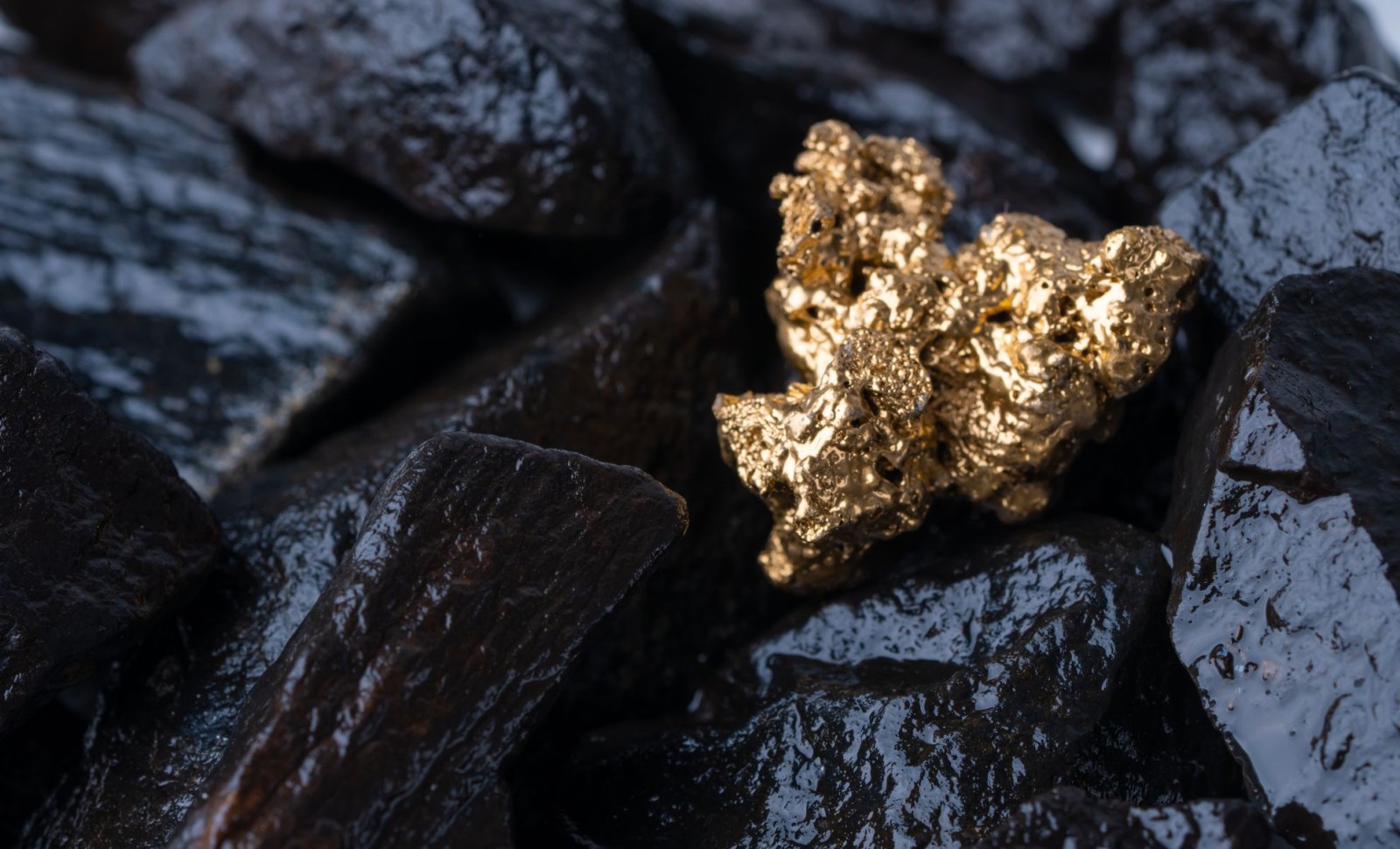
Gold is traditionally associated with wealth and luxury, envisioned as a rare element hidden deep underground or sifted from riverbeds. However, this precious metal appears more abundantly in surprising locations than most would expect.
From the human body to the vast oceans, traces of gold are present in places we rarely consider. Although these deposits aren’t commercially viable, they provide intriguing insights into the metal’s diverse occurrences across our environment.
Gold Within Our Own Biology
You might be surprised to learn that gold is present inside the human body. According to findings reported by WION, the typical human contains about 0.2 milligrams of gold distributed through the bloodstream and various cells. This gold plays a crucial role in facilitating electrical impulses, especially in neurons and cells that help maintain joint function.

Though the amount is minuscule, it is vital for supporting key electrical processes in the body. The presence of gold in our biology highlights the metal’s subtle but essential part in living systems.
Gold in the Ocean’s Depths
While we usually associate oceans with marine life and water, they actually carry a remarkable amount of gold. Scientists estimate that roughly 20 million tons of dissolved gold are dispersed throughout the world’s oceans. However, this gold is spread so thinly that extracting it economically remains out of reach.
The concept of ocean water as “liquid gold” intrigues researchers and treasure seekers, even if nobody has yet succeeded in making its recovery viable. The tremendous quantity present nevertheless captures the imagination.
Cosmic Origins of Gold
One of the most fascinating repositories of gold is outer space itself. Experts believe that significant amounts of Earth’s gold originated from meteorites that collided with our planet billions of years ago. These space objects, rich in precious metals, deposited gold into the Earth’s crust during its earliest days. This cosmic connection has fueled interest in asteroid mining as a possible source for precious metals in the future.
Understanding gold’s extraterrestrial beginnings gives us a new perspective on this metal—what we treasure here on Earth might have traversed the cosmos long before human history began.
Breaking🚨: Asteroid Psyche 16 has been found to contain gold reserves worth $700 quintillion. That's enough to make everyone on Earth billionaires☄️💸 pic.twitter.com/aLBkSbIA5V
— Milky Way Astronomers✨ (@fascinatingonX) November 1, 2025
Gold Uptake in Vegetation
Gold is also absorbed by some plants, including species like eucalyptus and Norway spruce. These plants take up minuscule quantities of gold particles from the soil via their roots, transporting and storing them within their leaves.
While the amounts are too slight to harvest commercially, this process illustrates how gold cycles through natural ecosystems. Research published in Molecules indicates microbes may assist plants in absorbing and converting gold into nanoparticles retained in plant tissues, revealing another layer of complexity in how precious metals integrate into the natural world.
- Categories:
- News


0 comments
Sign in to Comment