
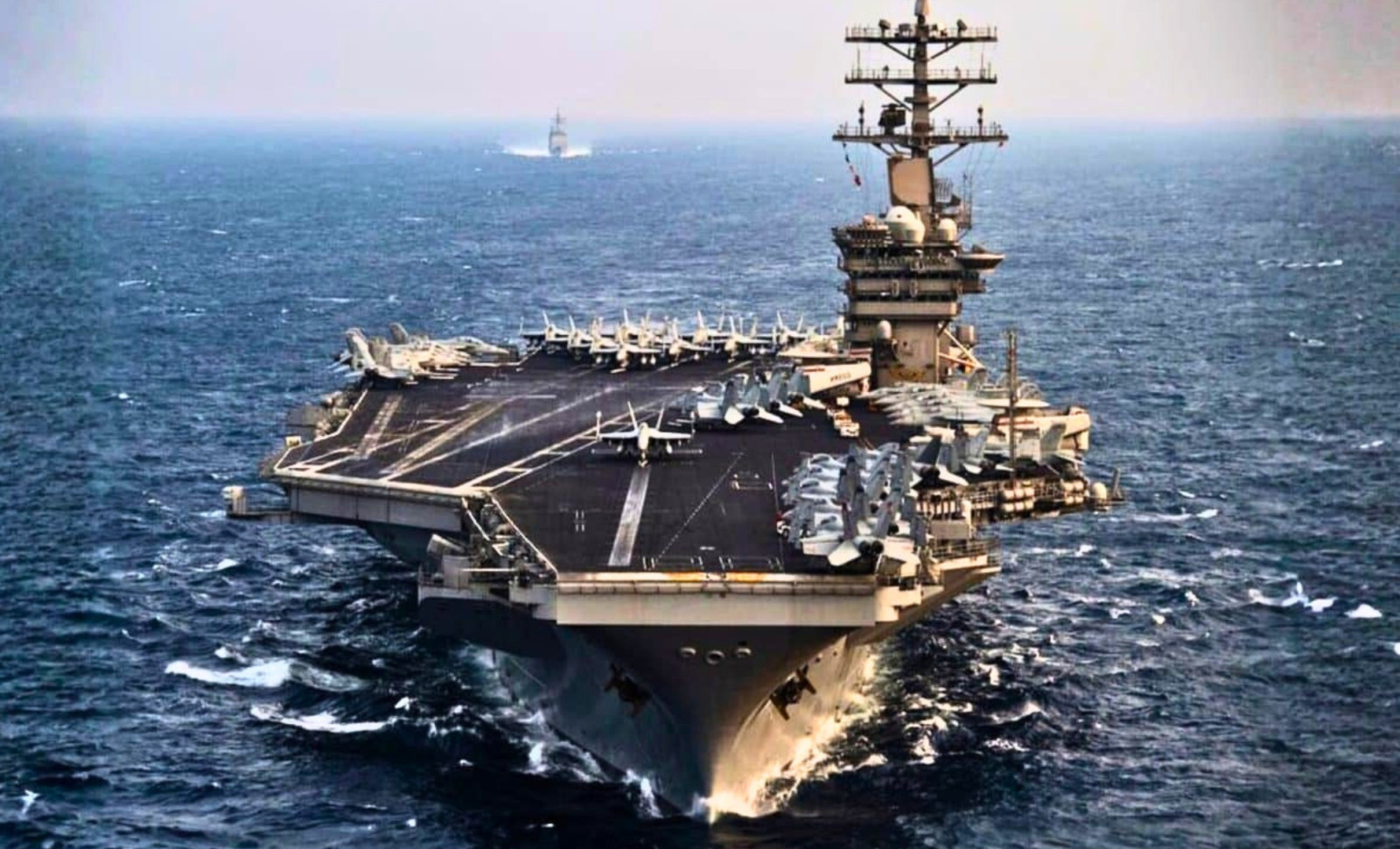
The USS Nimitz, the oldest active aircraft carrier in the U.S. Navy fleet, has left Naval Base Kitsap-Bremerton in Washington to commence its last deployment. This mission will take the nuclear-powered vessel on a maritime journey around South America toward the Atlantic coast, where it will begin a decommissioning process after nearly 50 years of service. Naval strategists have prepared the carrier for the extensive voyage it will undertake before reaching the eastern seaboard.
Since its commissioning in 1975 as the lead ship of its class, the Nimitz cannot transit the Panama Canal due to size restrictions. Instead, it will navigate the more demanding route around Cape Horn, the southernmost point of South America, substantially extending the journey. This alternative path also opens doors for collaborative operations with maritime forces in the region.
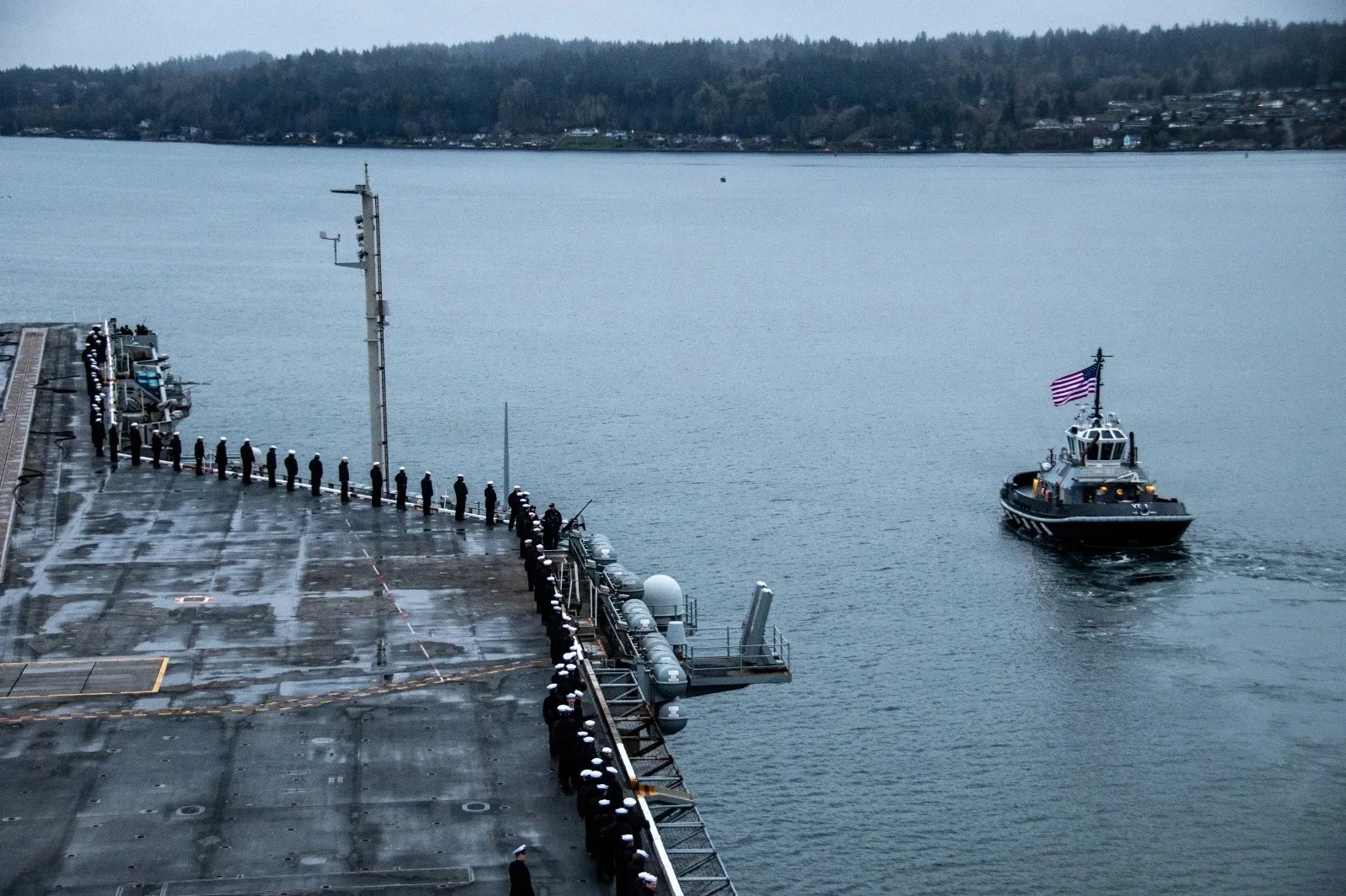
This trajectory shifts the carrier's operational zone from the Pacific to the waters overseen by U.S. Southern Command. Defense outlet Zona Militar reports this deployment is the third consecutive year featuring a significant U.S. carrier presence in South America. Coordination with local navies for joint exercises is underway as the strike group moves through these strategic waters.

Carrier Strike Group 11: Prepared for the Long Journey
The Nimitz leads Carrier Strike Group 11, comprised of guided-missile destroyers that provide missile defense, escort support, and anti-submarine efforts. These ships safeguard the carrier during flight missions, ensuring safe air operations in challenging maritime conditions.
Carrier Air Wing 17 conducts flight operations, typically deploying over 60 aircraft, including the F/A-18 Super Hornet fighters and E-2D Advanced Hawkeye surveillance planes. These aircraft extend the reach of reconnaissance and defense far from the carrier itself. Prior to the voyage, the crew undertook training exercises off California and completed maintenance work on propulsion, radar, and flight deck systems.
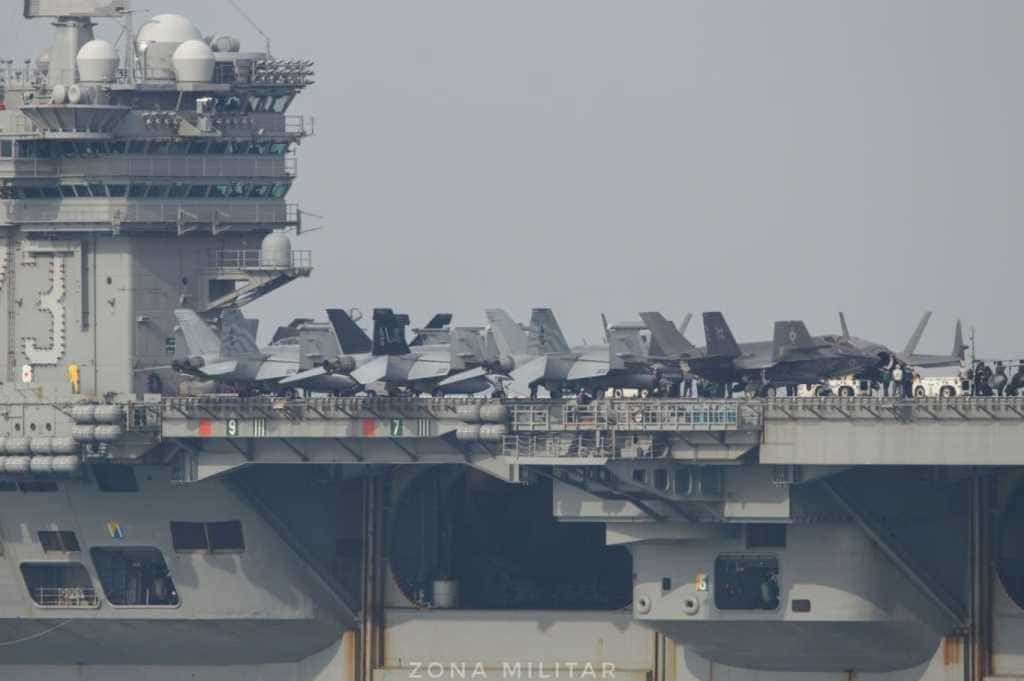
The Indian Defence Review noted that in 2024, the carrier underwent significant maintenance while docked at Bremerton, including testing of communication systems and aircraft support infrastructure to ensure readiness for this final operational chapter.
Multinational Exercises Along the South American Coastline
Experts expect the route to involve collaborative naval exercises with South American partners, potentially including participation in UNITAS, the world's longest-standing multinational naval drill. These exercises bring together military vessels and aircraft from throughout the Americas to practice coordinated operations in electronic warfare, anti-submarine efforts, and search-and-rescue.
Similar activities occurred in past Southern Seas deployments, during which allied officers were invited aboard to observe carrier operations firsthand. Although exact details remain undisclosed, such events typically enhance operational coordination between U.S. forces and regional navies.
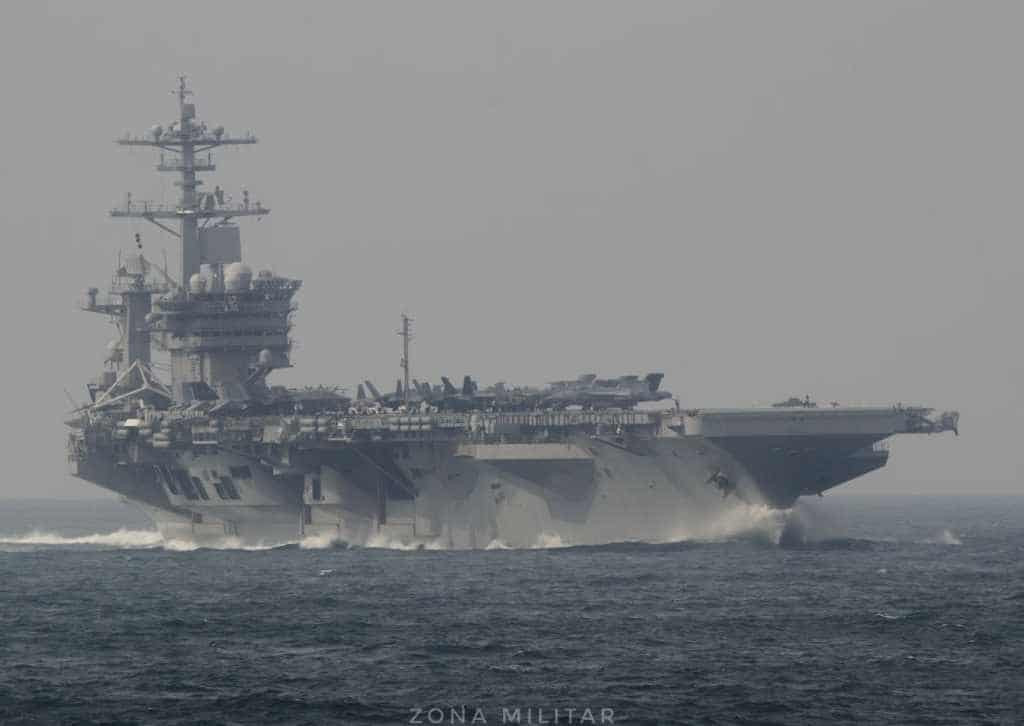
Deploying a nuclear-powered carrier serves as a potent symbol of maritime alliance. Previous Southern Seas missions included port visits and collaborative maneuvers with multiple South American navies. This final mission offers an important opportunity for engagement ahead of the ship’s retirement.
Supporting a Nuclear-Electric Fleet on an Extended Voyage
The carrier’s twin A4W nuclear reactors allow sustained operations without refueling. Nevertheless, the strike group depends on routine resupply of aviation fuel, spare parts, and provisions. Ships run by the Military Sealift Command conduct underway replenishment, transferring supplies alongside the carrier using specialized equipment.
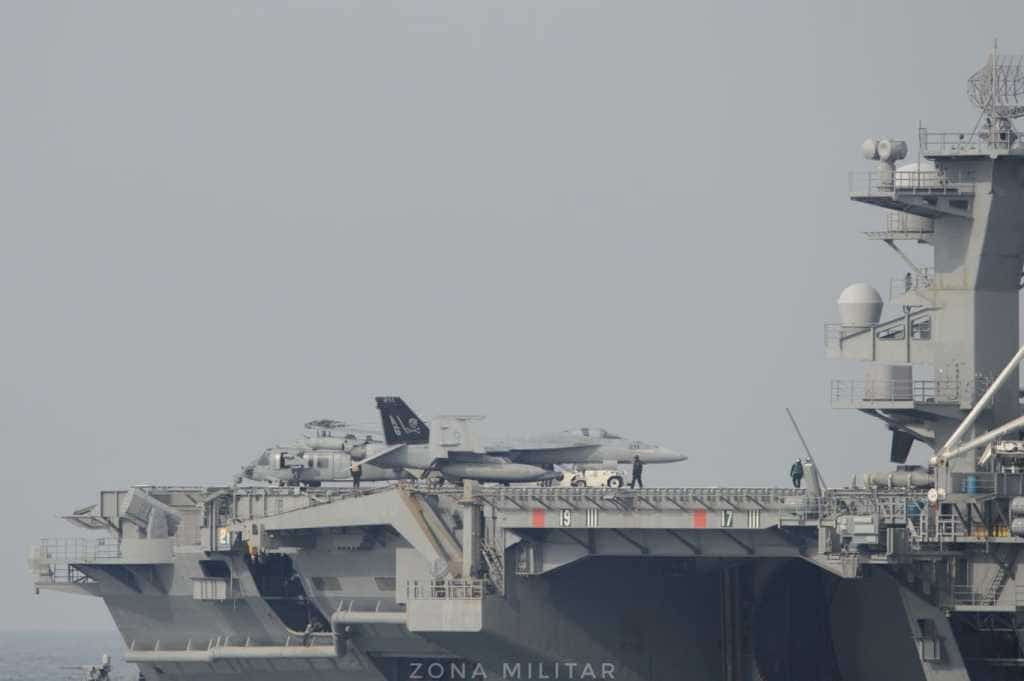
Given the challenging conditions around Cape Horn, known for turbulent seas and strong winds, planning the route involves careful weather monitoring. The extended passage increases the frequency of supply operations critical for maintaining the strike group’s endurance.
Closing Chapter: The Decommissioning Process
Upon completing this voyage, the USS Nimitz will dock at Naval Station Norfolk in Virginia to commence its deactivation. Retiring a nuclear-powered carrier is a complex task involving the removal of nuclear fuel followed by dismantling weapons and electronic systems.
Budget provisions from the Department of Defense for the 2026 fiscal year fund the early stages of the ship’s retirement. This phase paves the way for advanced Gerald R. Ford-class carriers, which offer innovations such as electromagnetic aircraft launchers and upgraded power and flight systems.
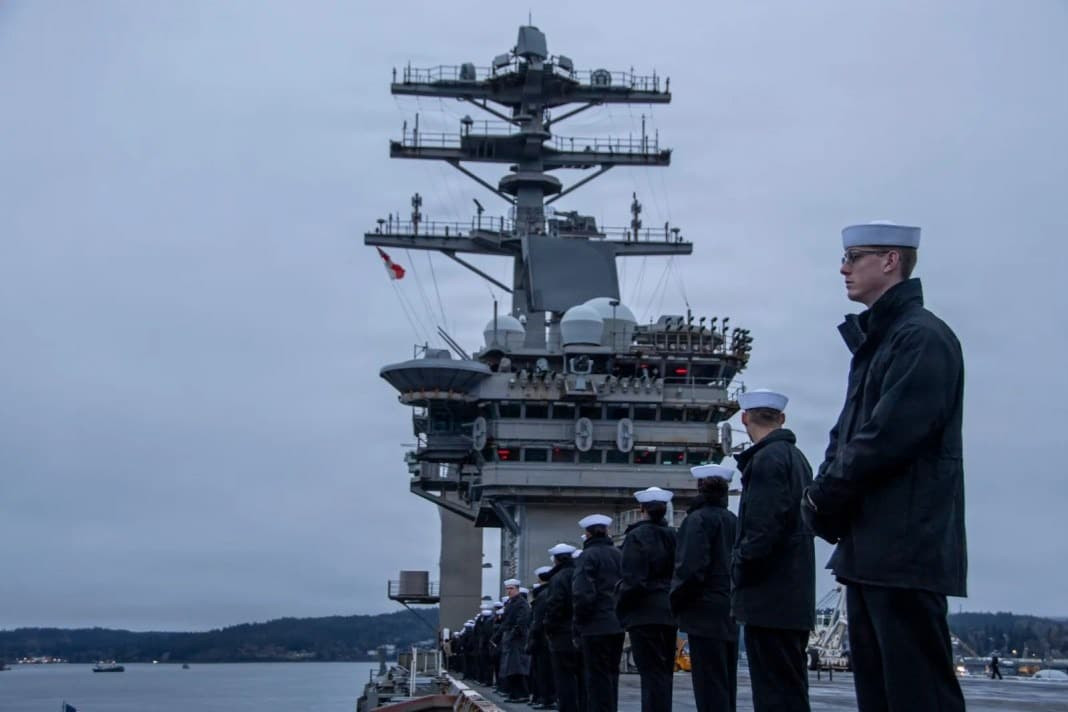
Until decommissioning begins, the USS Nimitz will remain fully operational, completing a distinguished career that began with its 1975 commissioning. This South American voyage encapsulates both a practical transfer and a final showcase for a carrier that has been central to U.S. naval strength for five decades.
- Categories:
- News










0 comments
Sign in to Comment