
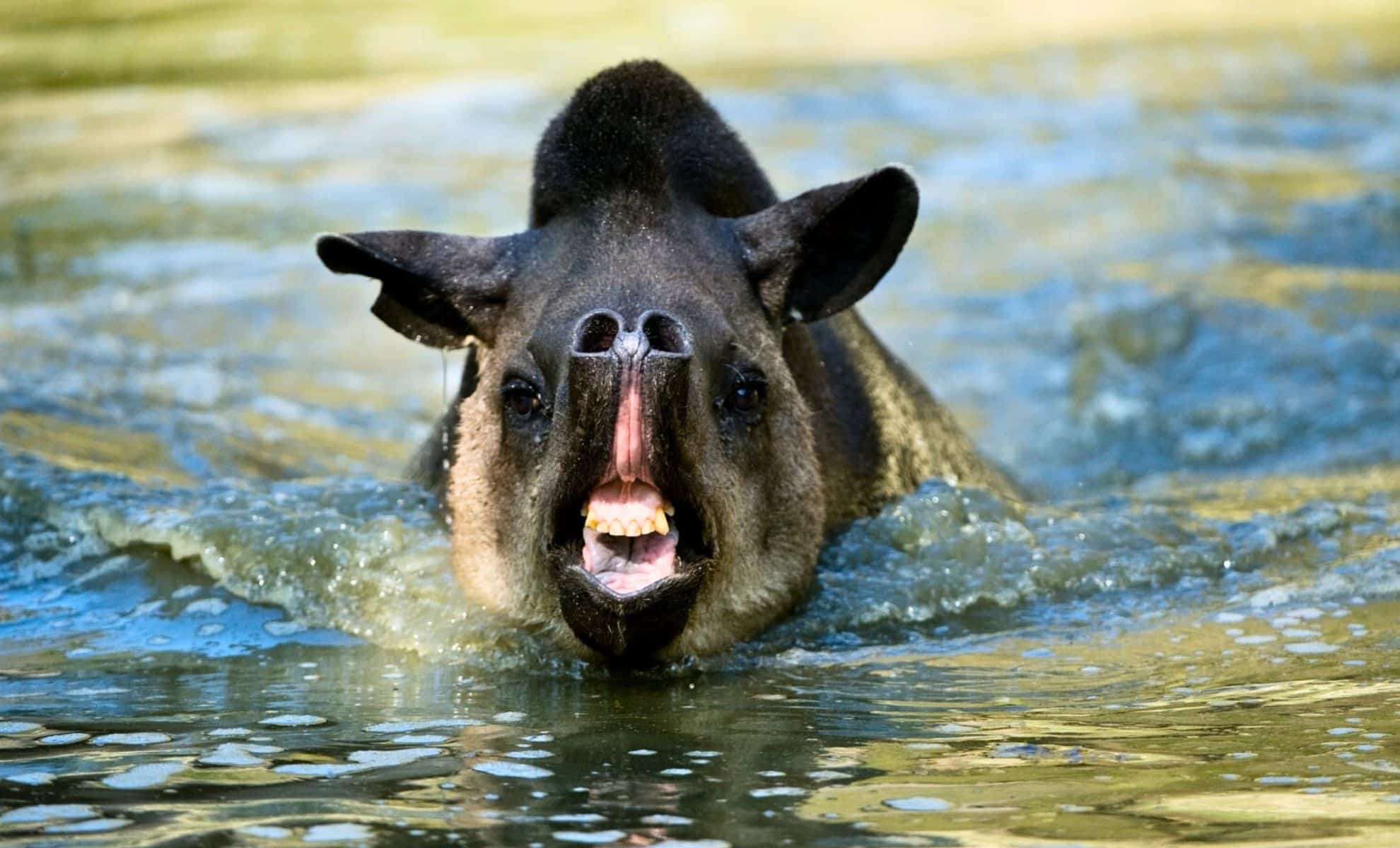
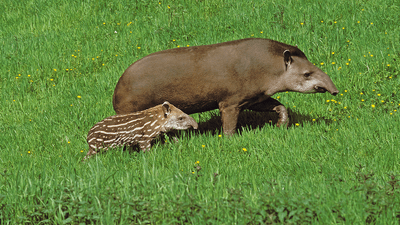
In early 2025, an astonishing sighting took place deep within the Brazilian Atlantic Forest: the South American tapir, presumed absent from the region for more than a hundred years, was captured on camera. A trio of these impressive mammals was documented calmly exploring the vibrant ecosystem of Cunhambebe State Park.
An Unexpected Revival
The reemergence of the South American tapir in the Brazilian Atlantic Forest is a remarkable ecological event. According to a report from g1, the species was last definitively recorded here in 1914, marking a gap of 111 years. Known as the ‘gardeners of the forest,’ tapirs have a vital ecological role by distributing seeds and facilitating forest growth. Earlier in the last century, their decline was driven by habitat loss, hunting pressure, and expanding human settlements.
Even though they vanished locally, the recent footage has motivated global conservationists. It highlights the extraordinary adaptability of both the tapirs and the ecosystem they inhabit.

Understanding the Astonishing Comeback
Multiple hypotheses are being explored to explain the tapirs’ sudden presence. One suggests a small, previously unnoticed population might have persisted here, avoiding detection. Another theory posits a migration from nearby habitats where tapirs still reside, possibly aided by ongoing protection in those areas.
Furthermore, the resurgence may reflect the impact of decades-long conservation efforts. Local organizations and government initiatives have significantly enhanced protection of the Brazilian Atlantic Forest by expanding reserves and enforcing anti-poaching policies.
The improved conditions fostered by these programs could have facilitated the tapirs’ return. While the exact origins remain uncertain, this rediscovery underscores the effectiveness of sustained environmental stewardship.
The Critical Role of Tapirs in Their Habitat
South American tapirs are not only symbols of ecological achievement but also essential agents in forest health. These ‘forest gardeners’ are key seed dispersers, consuming numerous fruits and plants and scattering seeds throughout their range. This behavior promotes forest renewal and sustains plant diversity, both crucial for ecosystem balance.
Tapirs also enhance soil quality, as their nutrient-rich feces nourish the ground and encourage plant growth. The trails they create through dense foliage enable other wildlife to traverse the forest more easily. Overall, tapirs contribute significantly to the complexity and functionality of their environment.
Protecting the Future of the Tapir
Celebrations over this rediscovery come with caution, as the species’ survival faces ongoing challenges. With approximately 4,600 individuals worldwide estimated in 2025, the South American tapir is still classified as vulnerable. Loss and fragmentation of habitat remain serious risks, as tapirs require extensive territories to thrive amid growing threats like agriculture, urban sprawl, and deforestation.
In response, Brazilian officials are advancing measures to secure the tapir’s continued comeback. These include enlarging protected lands around Cunhambebe State Park and developing ecological corridors that link isolated patches of forest. Such connectivity is vital to maintain genetic variability and reduce dangers associated with inbreeding.
- Categories:
- News








0 comments
Sign in to Comment