
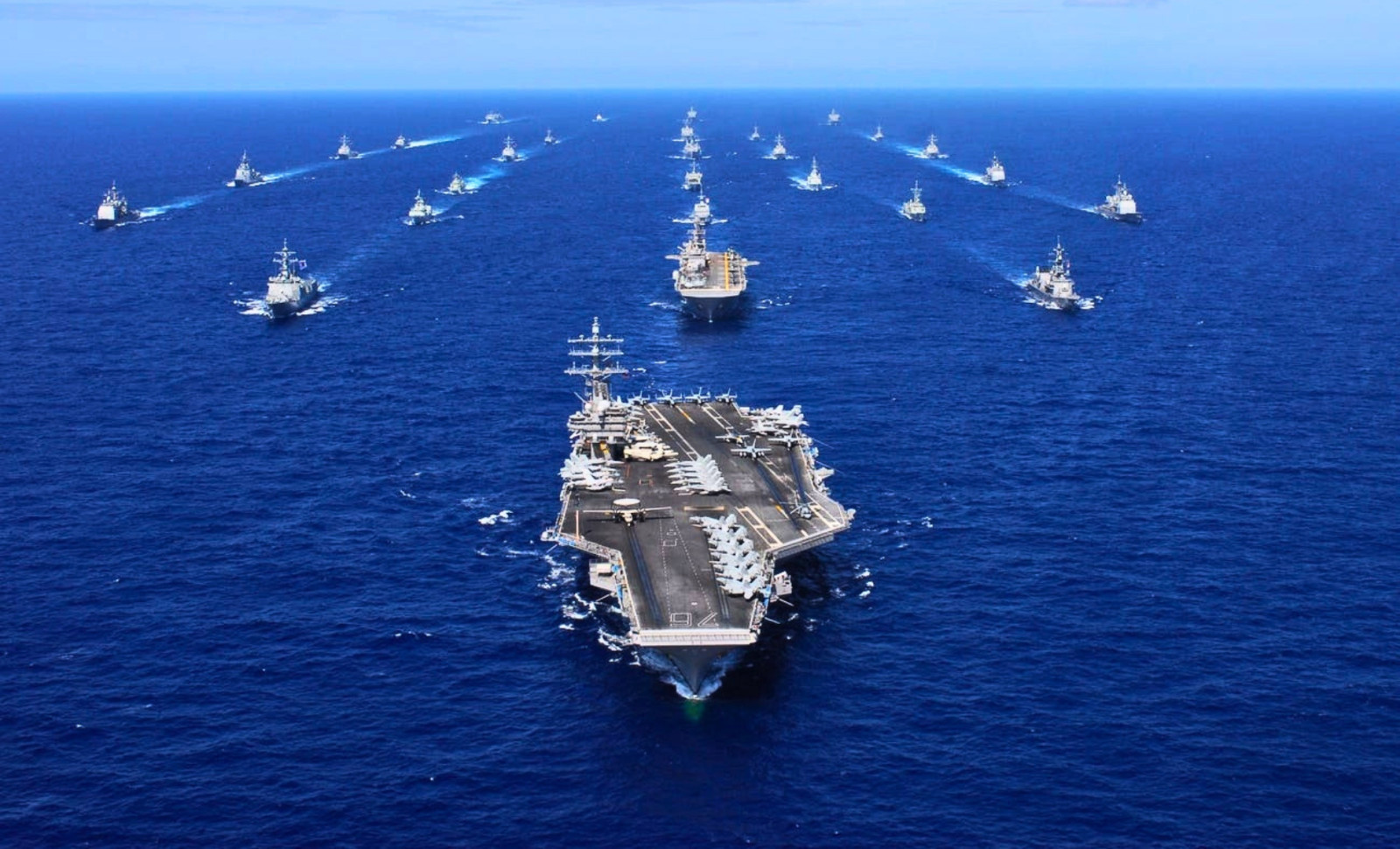
The USS Nimitz will anchor off the Pacific coast of Panama, while the USS Gridley destroyer docks at Panama City's Cruise Port of Amador, a harbor usually reserved for cruise liners. Both vessels are slated to arrive on March 29, as confirmed by Panama’s Servicio Nacional Aeronaval on March 22.
The carrier and its escort will stay in Panamanian waters for five days. Their voyage began on March 12 from the U.S. West Coast, including planned stops in Peru, Chile, and Brazil before reaching Panama. However, these warships will notably avoid a key maritime shortcut during their visit.
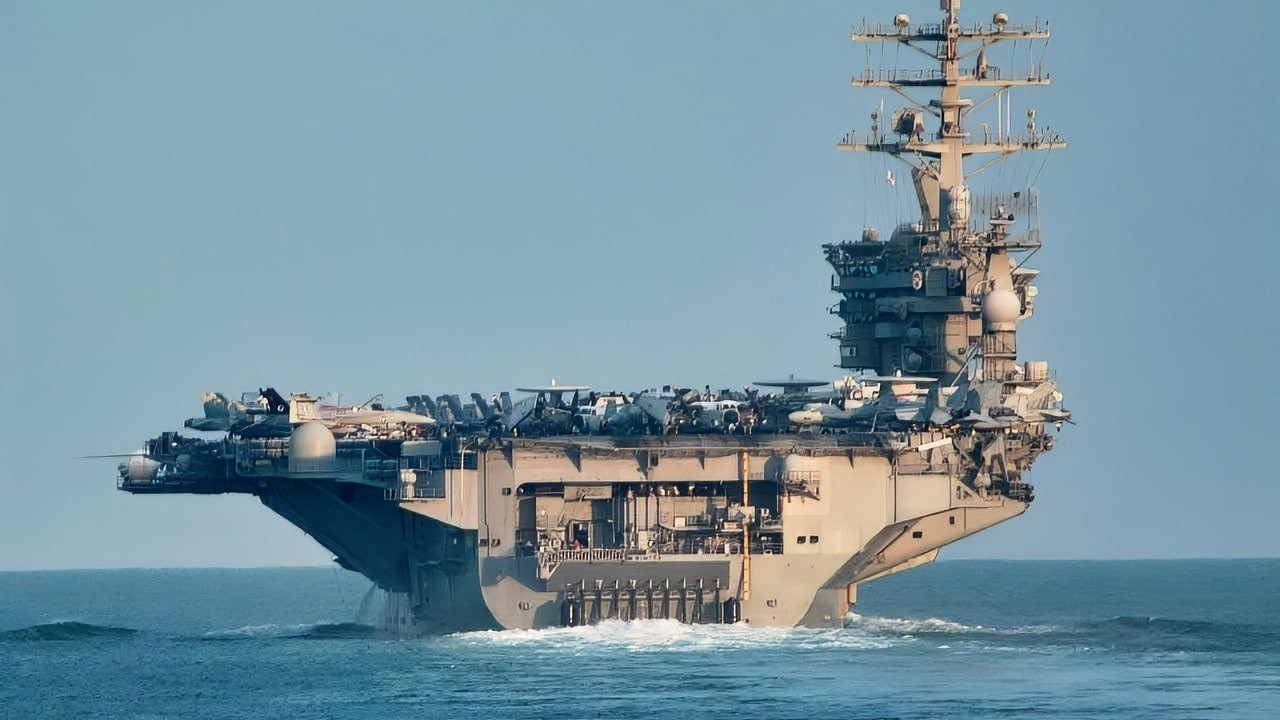
This decision stems less from diplomatic considerations and more from the physical constraints of the Panama Canal. Officials from the Panama Canal Authority have clarified that neither ship will navigate the canal. For the massive USS Nimitz, this is due to size limitations.

A Nuclear-Powered Carrier Too Massive for Canal Passage
The USS Nimitz ranks among the largest warships worldwide. Measuring 333 meters in length and displacing close to 100,000 tons, this nuclear-powered aircraft carrier operates as a floating airfield capable of launching and recovering up to 90 planes. It supports missions ranging from combat to humanitarian aid across vast distances without requiring refueling.
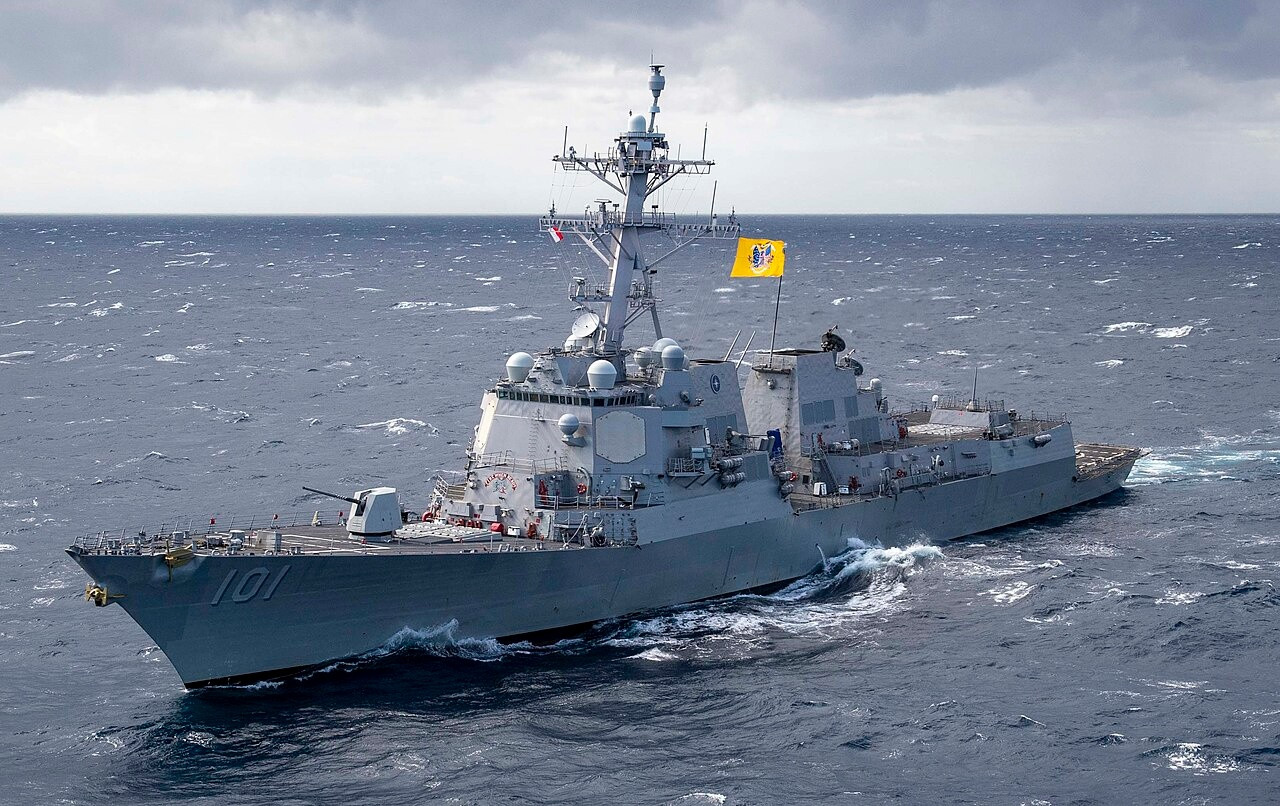
Accompanying the carrier is the Arleigh Burke-class destroyer USS Gridley, outfitted with the Aegis Combat System that integrates sophisticated radar and missile defense capabilities. Together, these two ships host around 6,000 service members, with the bulk stationed on the carrier, according to CNN.
Currently engaged in a prearranged repositioning operation, both vessels departed from the U.S. West Coast on March 12 and are charting a route around South America. Their final destination is a new base on the U.S. East Coast. This path, which includes traversing the Strait of Magellan, was planned well ahead of time.
Why the Panama Canal Is Not an Option
The USS Nimitz's dimensions exceed the limits of the Panama Canal’s locks. Even the expanded Neopanamax locks are insufficient to accommodate a ship of this magnitude. This restriction is purely due to the canal’s physical capacity, not policy constraints.
Although the smaller USS Gridley could navigate the canal, its route has avoided this by circumnavigating South America via the Strait of Magellan, eliminating the need for canal passage for both vessels.
Consequently, the USS Nimitz will remain anchored offshore near Panama, while the USS Gridley will berth at the Cruise Port of Amador near the canal’s Pacific entrance. Their stay from March 29 through April 2 is part of the Southern Seas 2026 mission.
Collaborative Naval Training with Panama
During this five-day period, the ships will participate in the Southern Seas 2026 exercises. Panama’s Servicio Nacional Aeronaval described these drills as joint operations aimed at enhancing maritime skills through cooperation with regional allies.
Organized annually by the U.S. Naval Forces Southern Command, Southern Seas 2026 is the eleventh installment of these exercises. Panamanian officials emphasize the importance of sharing expertise and improving interoperability among partner nations—a tradition sustained for over a decade.
According to German media source Focus, this deployment serves a dual purpose: while primarily a training mission, it also highlights U.S. strategic involvement in Latin America. Earlier in March, a U.S. Navy spokesperson told USNI News that the USS Nimitz deployment was planned as a circumnavigation of South America, including visits to multiple allied countries.
Timely Fleet Reassignment
This deployment reflects a routine operational movement. On March 12, the USS Nimitz and USS Gridley departed the U.S. West Coast en route to their new home port on the East Coast. After leaving Panama, their journey continues southward, with an anticipated arrival by June 20.
During the Panama stopover, the nuclear carrier will anchor offshore, while the destroyer occupies a pier in Panama City. Neither vessel will transit the canal’s locks, leaving the waterway untouched by their passage.
- Categories:
- News









0 comments
Sign in to Comment