
Recent research has unveiled an extraordinary reserve of freshwater tucked beneath the Atlantic Ocean's briny depths. Scientists aboard an international expedition have located enormous, previously unknown aquifers that hold promising volumes of drinkable water, which could help alleviate global water scarcity. This finding, detailed by AP News, builds on earlier observations from the 1970s when oil exploration first suggested fresh water hidden beneath the ocean floor.
Unveiling the Atlantic’s Secret Water Reserves
In 1976, while drilling offshore near the northeastern U.S., researchers unexpectedly penetrated freshwater formations instead of hydrocarbons. At the time, this unprecedented discovery prompted numerous questions about the existence and extent of underwater freshwater stores. Nearly five decades later, the mystery has taken a dramatic turn.
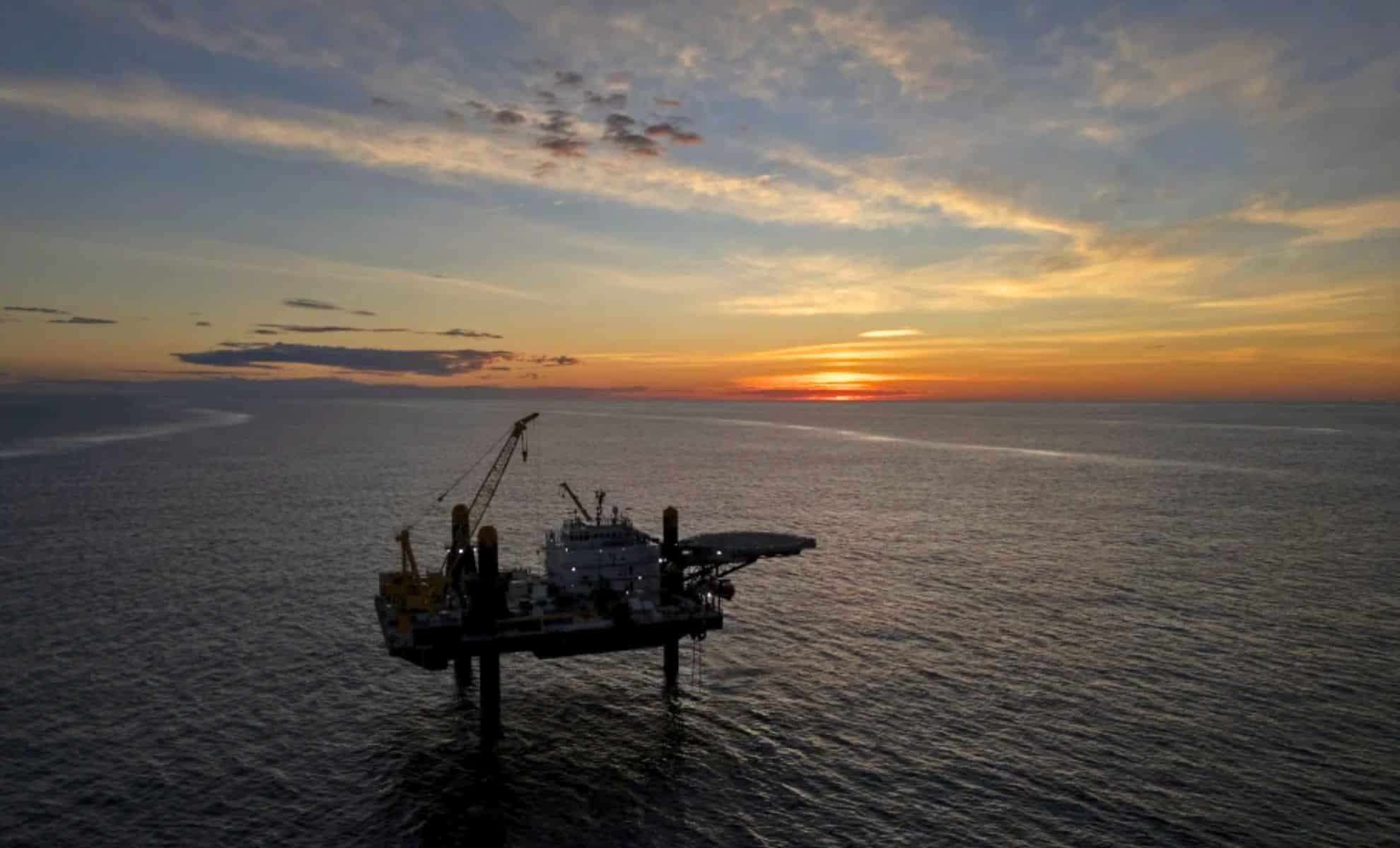
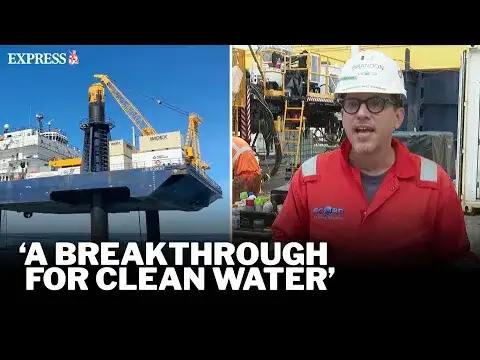
Expedition 501, conducted from May to July 2025, aimed to investigate these aquifers further. Utilizing an offshore drilling platform typically used for petroleum extraction, the team drilled close to 400 meters below the seabed near Cape Cod. They extracted thousands of liters of low-salinity water, with salinity levels close to one part per thousand—comparable to many freshwater sources on land.

A Crucial Resource for Rising Water Demands
Preliminary evaluations indicate this underwater reservoir could supply freshwater to cities like New York for several centuries. This extensive reserve represents a vital opportunity amid escalating global freshwater shortages. According to geophysicist and hydrologist Brandon Dugan, “It’s one of the last places you would probably look for freshwater on Earth.”
Submarine aquifers such as this hold significant promise. As urban populations surge and traditional freshwater supplies dwindle, these submerged reserves might offer a new lifeline. The United Nations forecasts that by 2030, global freshwater demand will outstrip supply by 40%, highlighting the urgency of new sources.
Investigating the Water’s History
Scientists hypothesize the freshwater originates from the last Ice Age, trapped when glaciers melted and sequestered fresh water beneath the seabed. Alternatively, the aquifers may be replenished by seawater seepage linked to rising sea levels. Determining whether the water is ancient or renewable is key to understanding its future viability.
The research team, including environmental geochemist Karen Johannesson and biologist Jocelyne DiRuggiero, is analyzing samples to establish the water’s age and chemical composition.
If the water proves to be recently replenished, it could represent a sustainable freshwater resource. Conversely, if it dates back millennia, the volume might be finite, raising concerns about long-term availability.
Challenges in Extracting Subsea Freshwater
Rob Evans, a geophysicist at Woods Hole, cautions that withdrawing freshwater from beneath the seafloor could disrupt fragile marine ecosystems relying on freshwater influx. Moreover, the technical demands of offshore drilling for water are considerable, requiring advanced technology and extensive infrastructure.
Legal questions also arise, as these aquifers lie beneath international waters, complicating ownership and management. Careful consideration of environmental, juridical, and engineering issues will be necessary before utilizing these reserves.
Despite these obstacles, this breakthrough discovery offers renewed optimism for addressing global water scarcity. The comprehensive findings from Expedition 501, expected soon, will provide deeper insights into these submerged freshwater deposits and their potential applications.
- Categories:
- News







0 comments
Sign in to Comment