
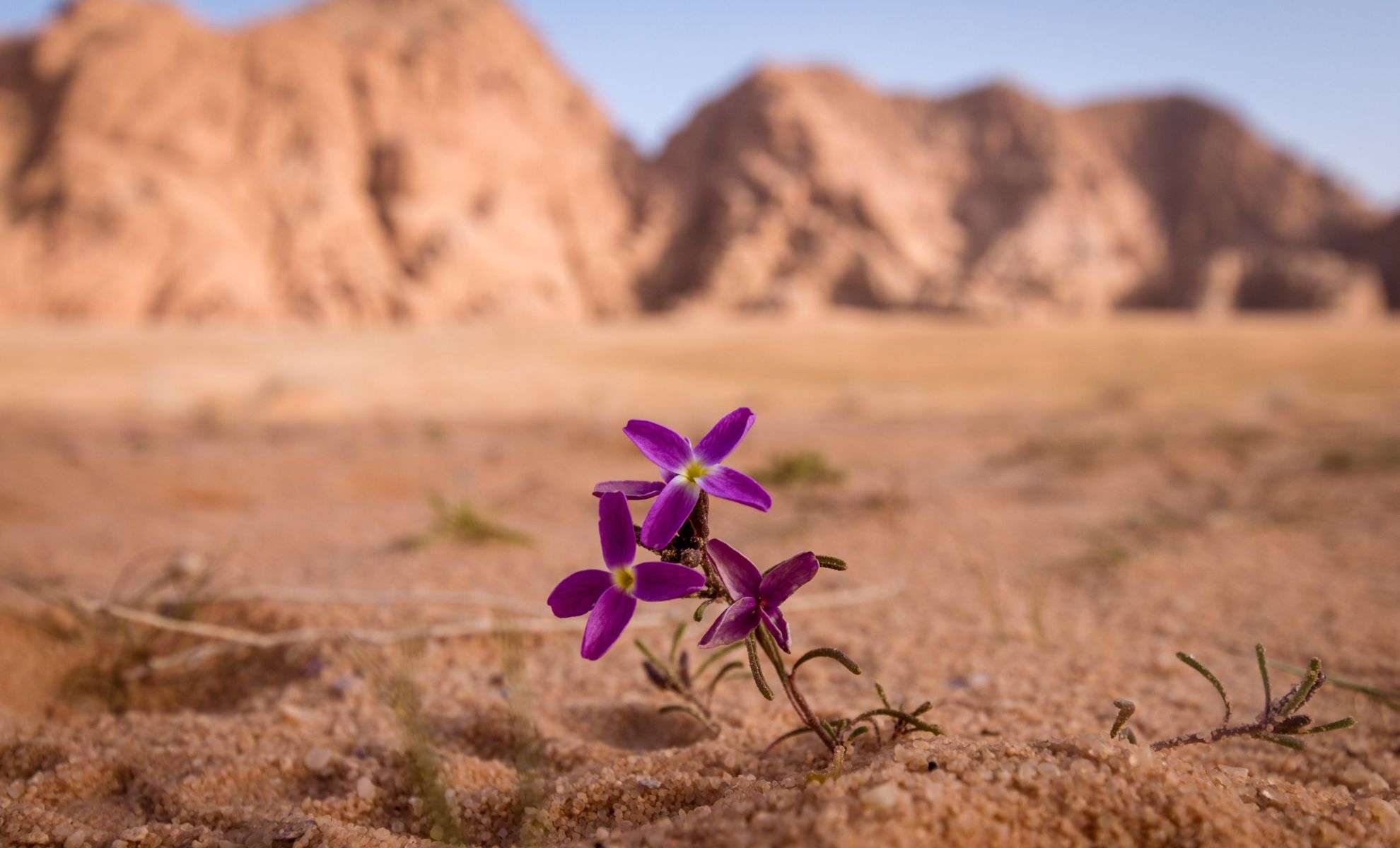
A vivid splash of color has recently appeared in one of Earth’s most inhospitable landscapes. The Atacama Desert in northern Chile, famously known for its extreme dryness and scant rainfall, has undergone an unusual and temporary metamorphosis. As detailed by IFLScience, a series of rare heavy rains has triggered an eye-catching bloom of bright fuchsia wildflowers, a phenomenon that researchers call a desert bloom.
Record Rainfall Sparks a Desert Bloom
The Atacama Desert typically receives a mere 2 millimeters of precipitation annually, making it the driest desert outside the polar regions. However, high-altitude areas recently recorded as much as 60 millimeters of rain during July and August. This unexpected moisture awakened a hidden dormant seed bank beneath the soil, resulting in a spectacular synchronized flourishing of desert wildflowers.
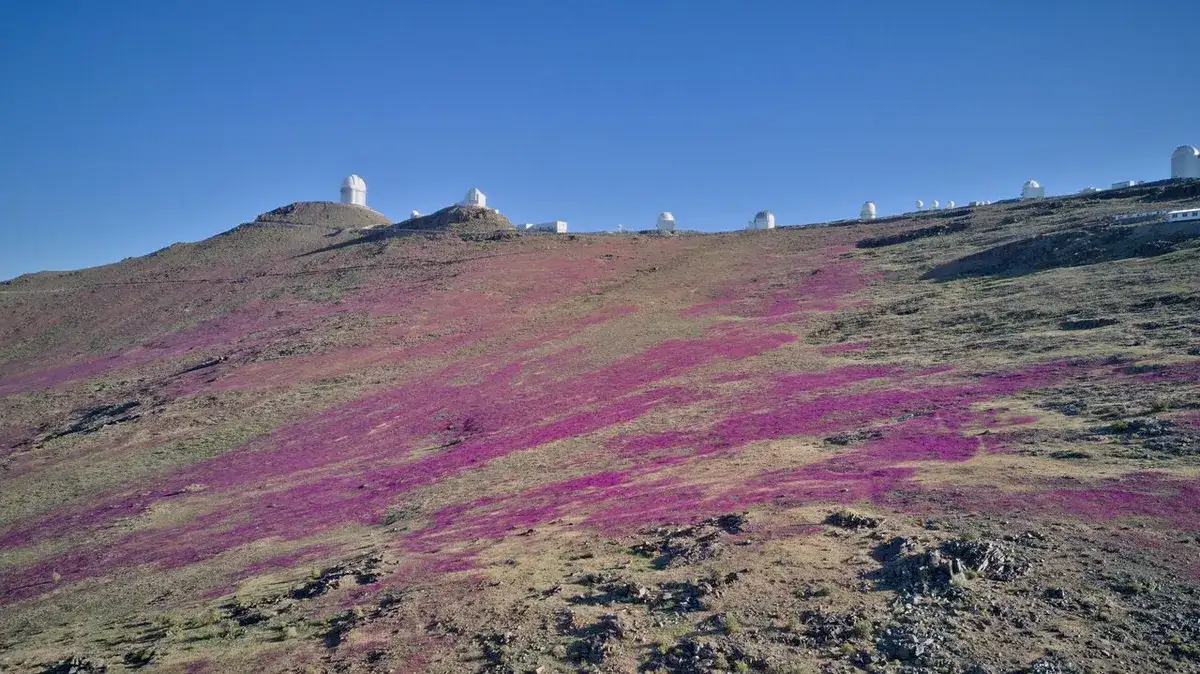
One of the most vivid displays this year is visible in Llanos de Challe National Park, where the barren ground has transformed into a vast canvas painted with shades of pink and purple. Such blooms depend on a precise blend of temperature, sunlight, and rainfall, conditions that rarely align in this arid environment.

The Influence of El Niño on the Bloom
Climate experts point to the El Niño-Southern Oscillation (ENSO) as a key factor behind this event. ENSO periodically warms the eastern Pacific Ocean, shifting global weather patterns. For the Atacama, El Niño leads to increased temperatures and evaporation, which in turn results in heavier rainfall.
“This blooming coincides with El Niño currents, during which temperatures are warmer, resulting in more evaporation and, consequently, more rainfall. But not with La Niña current, which is colder,” explained Ana María Mujica, a professor at the Pontifical Catholic University of Chile’s Faculty of Agriculture & Forestry.
Professor Mujica further highlighted that such blossoming events have occurred only about fifteen times in the last four decades. This scarcity stems from the strict and narrow environmental conditions required for the flowers to bloom.
Changing Patterns in Desert Bloom Frequency
Traditionally, the Atacama’s desert bloom has occurred at regular intervals, approximately every five to seven years from September to November, coinciding with springtime in the southern hemisphere. However, recent occurrences have disrupted this pattern. Notable blooms took place in 2015, 2017, and 2022, with the latter emerging during a La Niña phase, a period usually marked by drier weather.
Moreover, the timing of these blooms appears to be shifting. Wildflowers were seen blooming as early as July last year, which falls in Chile’s winter season. Scientists are now investigating whether these changes reflect broader impacts of climate variability on the timing and frequency of desert blooms.
Insights from a Rare Desert Bloom
This year’s floral spectacle is expected to last through early November, with certain drought-adapted plants potentially surviving into January. As the summer heat intensifies, the soil will dry out again, returning this landscape to its customary arid state.
Beyond its breathtaking beauty, this desert bloom highlights subtle climate shifts and triggers new questions about how dryland ecosystems adapt to evolving environmental pressures. The fleeting Atacama bloom provides a valuable opportunity for researchers and serves as a remarkable testament to life’s persistence in extreme habitats.
- Categories:
- News











0 comments
Sign in to Comment