
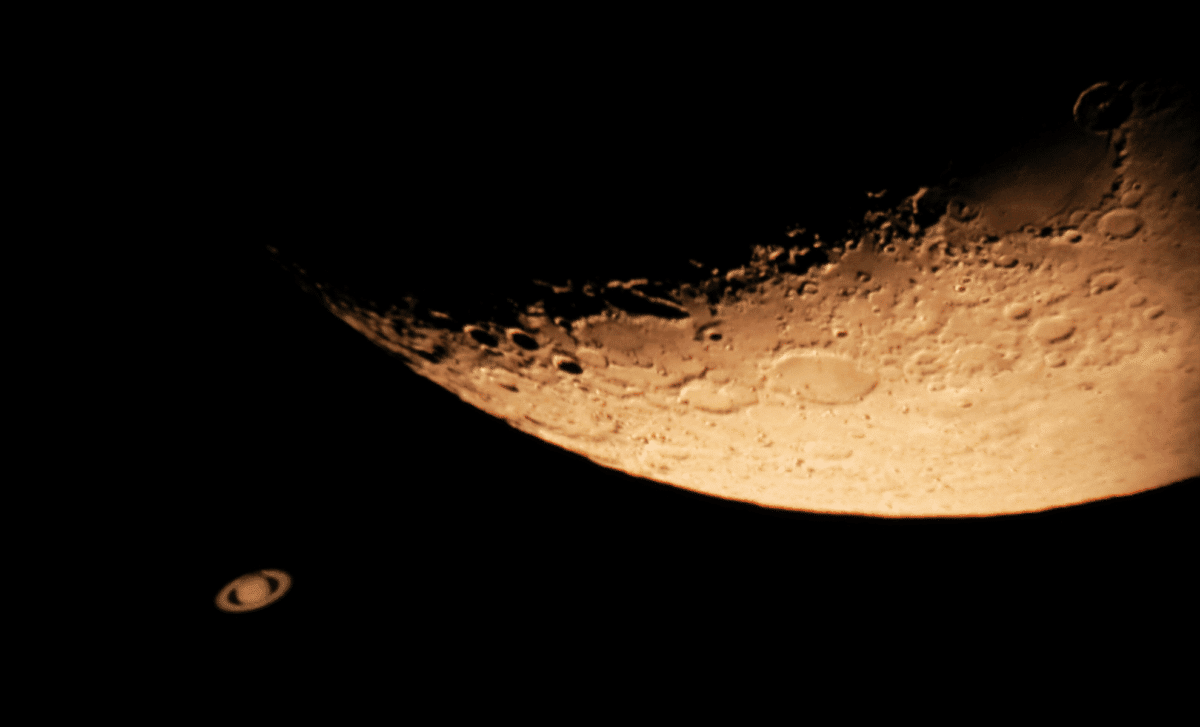
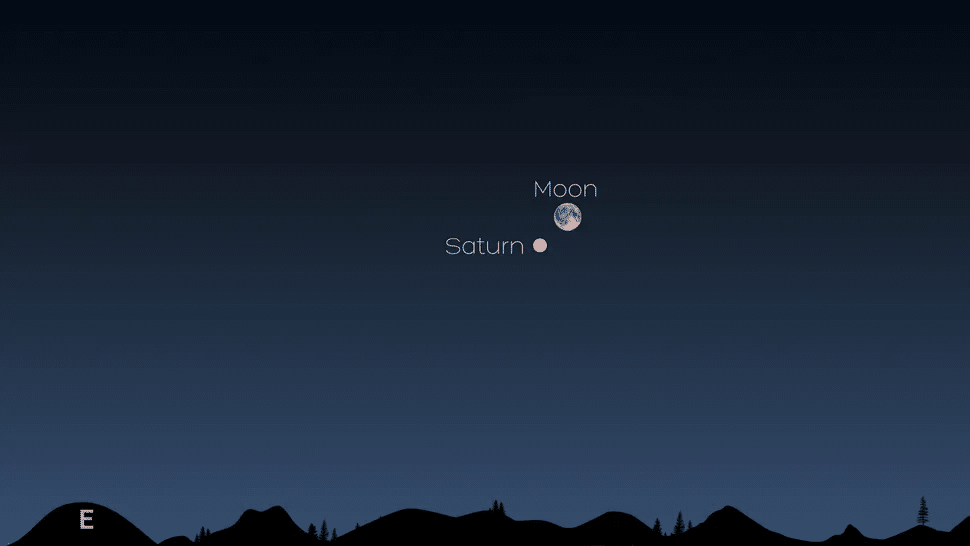
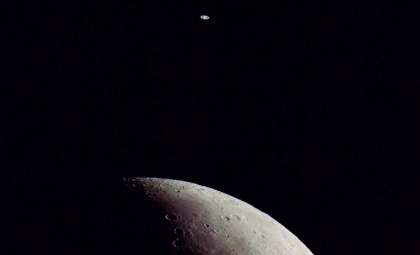
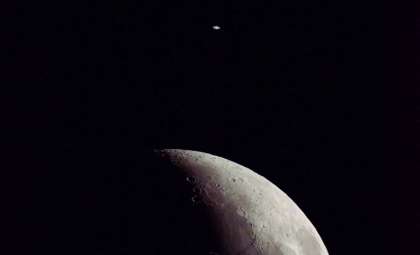
On the night of October 5, 2025, skywatchers will be treated to a remarkable spectacle as Saturn, the majestic ringed planet, appears near the nearly full moon. Around 8 p.m. local time, observers can spot both Saturn and the bright lunar surface, making it an excellent occasion for stargazing, whether with the naked eye or through a telescope. According to Space.com, this event is a must-see for anyone interested in astronomy or simply enjoying the night sky.
An Enchanting Sky Event
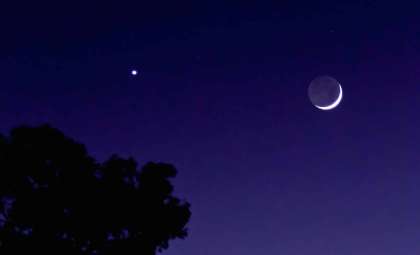
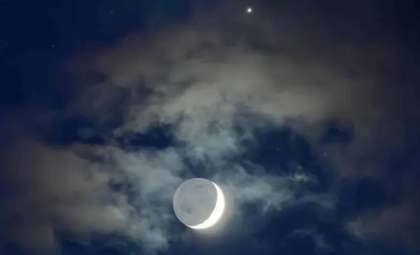
On October 5, 2025, Saturn will glow brightly just beneath the nearly full moon, producing a captivating alignment that will stand out in the autumn night sky. With the moon nearly fully illuminated, it will serve as a convenient reference point to locate Saturn. The best viewing window is around 8 p.m. local daylight time, as the pair will be visible roughly a quarter of the way above the east-southeast horizon.
Though Saturn typically looks like a dim star to naked eyes, it will be noticeably bright next to the moon, guiding viewers’ attention. Even without a telescope, this is a rare chance to appreciate Saturn’s beauty. For those with telescopes, the experience intensifies later into the night with more detailed planetary views.

The Moon’s Brightness and Surface Wonders
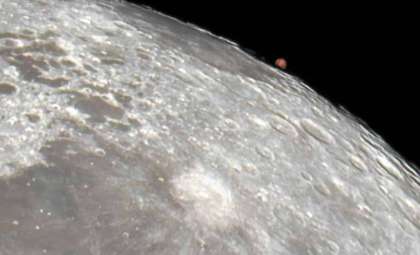
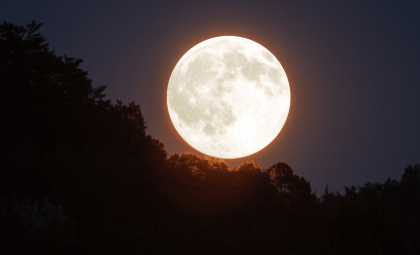
Before admiring Saturn, take a moment to observe the moon itself. On October 5, the moon will be 98.5% illuminated, just shy of a full moon’s peak, shining brightly enough to be easily visible without any optical aid. One striking feature to look for is Tycho, a large impact crater in the southern highlands, famed for its bright rays radiating across the lunar surface, making it one of the moon’s most distinctive landmarks.
Not far from Tycho lies Copernicus crater, slightly toward the northwest. This crater also displays prominent rays and is recognizable with the naked eye. While telescopes reveal finer details like crater walls and rugged ridges, these major features are standout sights even without magnification.
Using a Telescope to Explore Saturn’s Rings
As the moon dazzles with its features, telescopic observers will find Saturn the highlight of the evening. To unaided eyes, Saturn usually resembles a bright yellowish-white star, blending with other bright celestial objects. However, through a modest telescope, the planet’s famous rings become visible—albeit less impressive this year. Since 2017, Saturn’s rings have been appearing narrower due to their orientation, and on October 5, they will present as a thin luminous band by crossing the planet’s disk edge-on.
For a clear view of the rings, an instrument with at least 30x magnification is recommended. Though less visually striking than in previous years, the slim ring profile remains a fascinating sight. Saturn’s rings are currently in a transitional phase, and by 2032, they will again appear widely open, delivering one of the most stunning views for Earth-based observers.
The Vast Distance Between Saturn and the Moon
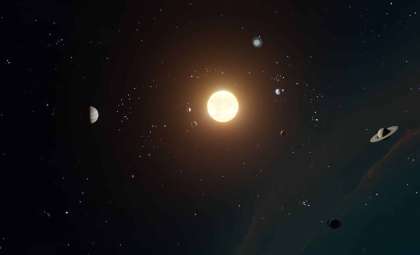
It’s essential to understand that while Saturn and the moon appear close together in the sky, they are separated by enormous distances. The moon orbits just about 227,000 miles (365,000 km) from Earth, whereas Saturn is located more than 3,500 times farther away, at approximately 797 million miles (1.28 billion km). This apparent closeness is a visual illusion created by perspective, illustrating the immense scale of our cosmic neighborhood.
Despite this great separation, the sight of Saturn and the moon side-by-side will offer an awe-inspiring view and a humbling reminder of the vast distances and wonders beyond our planet.
- Categories:
- News


0 comments
Sign in to Comment