

If humanity vanished suddenly, Earth's ecosystems would persist, but the hierarchy of species would undergo dramatic changes. The intriguing question is not only which creatures would survive, but which could potentially ascend to dominance.
For millennia, humans have transformed the natural world and caused the extinction of countless species. Evidence suggests that when humans arrived in Australia about 47,000 years ago, giant marsupials like Diprotodon vanished.
This profound human impact left a significant ecological gap. Filling such a void would require exceptional adaptability, intelligence, and the ability to engineer the environment over time.

Is There a Limit to Primate Intelligence?
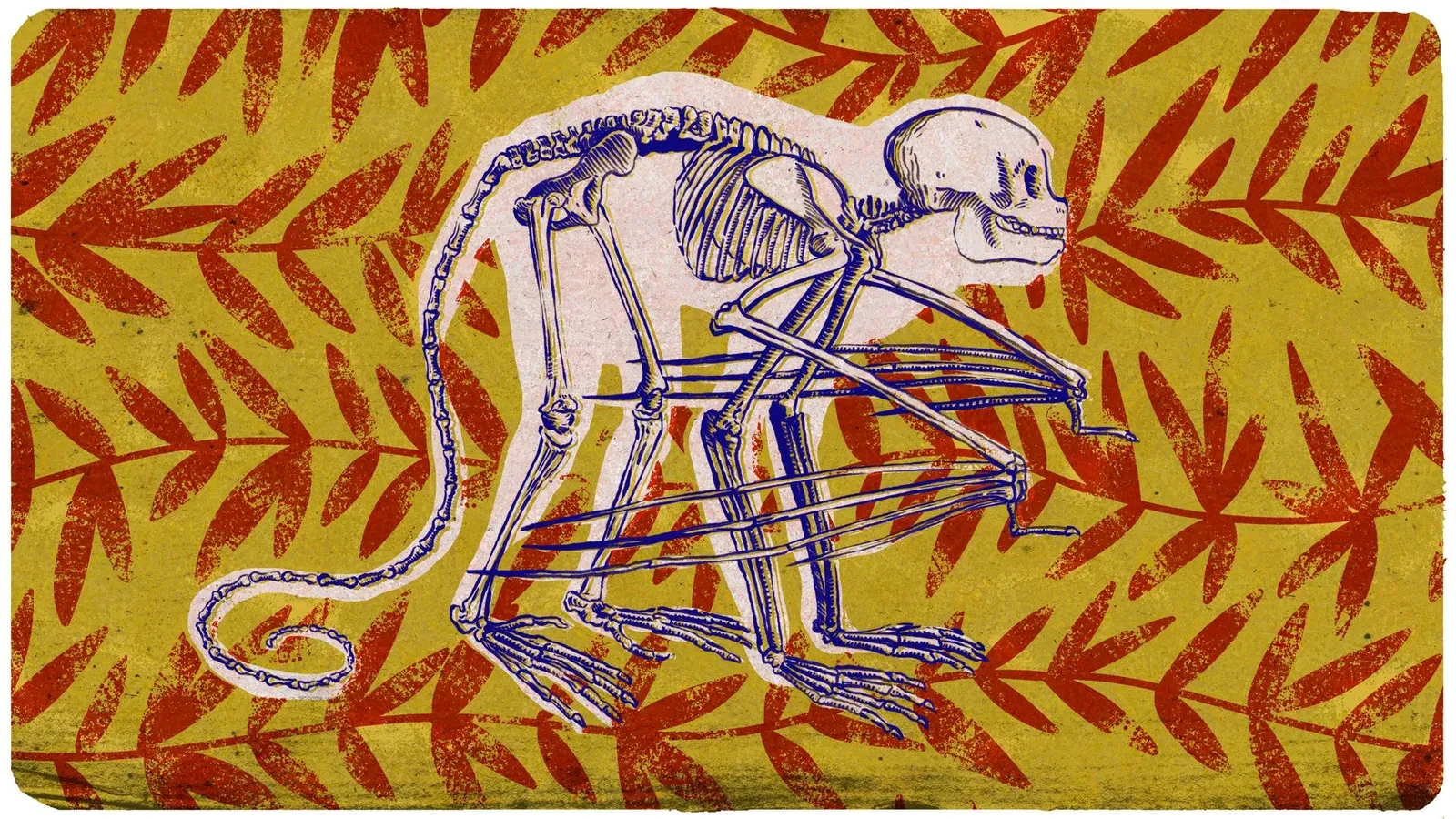
Chimpanzees and gorillas are often viewed as our closest evolutionary relatives and contenders for dominance. They exhibit advanced mental skills and have opposable thumbs, giving them the ability to manipulate objects and create basic tools. However, their communication mainly consists of vocal sounds and gestures rather than complex language. According to Professor Tim Coulson from Oxford University:
“Primates depend heavily on strong social networks.” He added, “they engage in activities like hunting, grooming, and defense, which are essential for their survival. These constraints might help them struggle to adjust to a world undergoing dramatic ecological shifts.”
Marine mammals offer a different set of challenges. Dolphins and whales display remarkable intelligence and social structures, but their lack of manipulative limbs limits their ability to shape their habitats or develop tools.
Why Some Adapt Yet Don’t Dominate
Some animals would likely flourish in a world without humans. Brown rats, found globally except Antarctica, reproduce rapidly and adapt easily.
But as James Fair points out, rats lack complex communication and abstract thought. Additionally, predators would keep their populations in check, restricting their spread.
Feral cats and dogs could also expand initially, especially as they already inhabit many urban areas without human care. Nonetheless, natural predators like wolves and leopards would eventually cap their growth.
Could Birds Emerge as the New Intelligent Leaders?
According to BBC Future, some birds are promising contenders. Corvids such as crows, ravens, and magpies demonstrate impressive problem-solving. For example, carrion crows in Japan drop nuts on roads for cars to crack them open, then collect the food when traffic stops.
New Caledonian crows also make and choose tools skillfully, showing an understanding of cause and effect much like great apes. Parrots further exemplify this intelligence. Research by Irene Pepperberg revealed that an African grey parrot could grasp elements of language and meaning.
“ In a warming planet, endothermic animals [those that generate their own heat] may have a hard time, so birds in warmer climates may lose contour feathers to prevent overheating, and mammals may lose most fur,” explained Patricia Brennan, an evolutionary biologist based at Mount Holyoke College in Massachusetts
No current species perfectly embodies all the qualities necessary to supplant humans. Should we vanish, ecosystems would rearrange, but it remains uncertain if a new dominant species would take our place.
- Categories:
- Science










0 comments
Sign in to Comment