
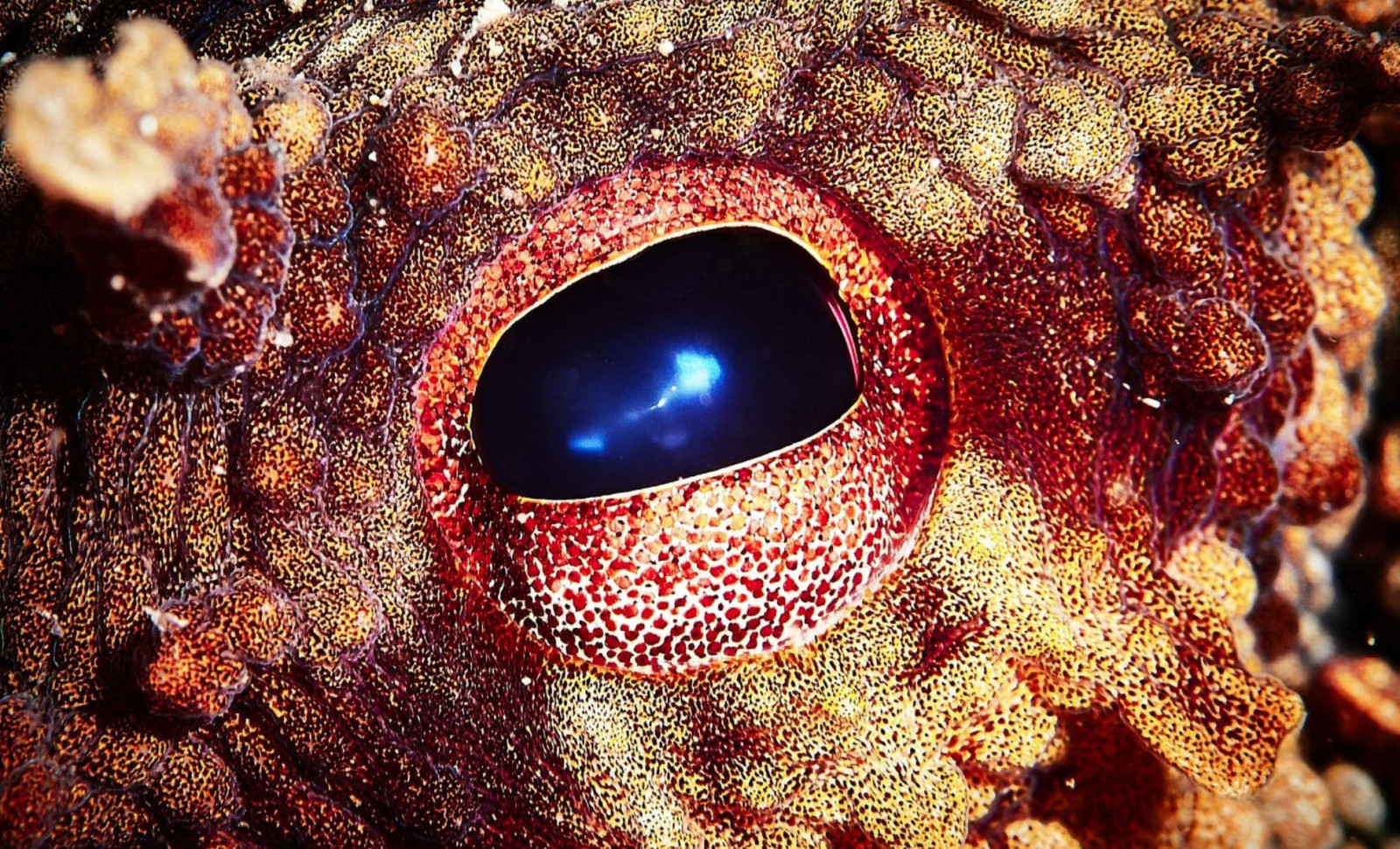
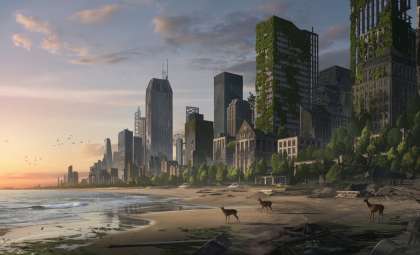
Picture a world devoid of humans. No bustling cities, no highways, no satellites circling above. Nature has reclaimed urban landscapes, and the seas are calm once more. Beneath the ocean’s surface, a remarkable creature with eight arms and three hearts begins to display increasing intelligence.
Though this scenario may sound like a plot from science fiction, Professor Tim Coulson, a biologist at the University of Oxford, approaches it as a serious scientific exercise grounded in the principles of evolution. Having studied how ecosystems transform following the removal of top predators, Coulson posed a compelling question: if humans disappeared, which species would ascend to fill our ecological void?
His conclusion surprised many: it wouldn’t be chimpanzees or crows, but rather the octopus.

Why Aren’t Primates Likely Successors?
In a November 2024 discussion featured inThe European, coinciding with the publication of his book The Universal History of Us in June 2024, Coulson detailed his reasoning. The book explores cosmic history from the Big Bang onward and speculates on Earth’s future without humans.
Unsurprisingly, great apes are primary candidates. Chimpanzees and bonobos resemble us in traits like opposable thumbs, tool use, and partial bipedalism. Yet, according to Coulson, primates rely heavily on complex social bonds for activities such as hunting, grooming, and defense. These social dependencies could impede their adaptability in radically altered ecosystems.
Additionally, primate populations tend to be small, geographically limited, and reproduce slowly—characteristics ill-suited for rapidly occupying a wide ecological niche.
Birds such as crows, ravens, and parrots display notable intelligence with problem-solving skills and social networks, but lack the manual dexterity required to develop advanced civilizations. While insects build intricate structures, these behaviors are programmed genetically rather than driven by intelligence.
The Octopus as a Leading Candidate
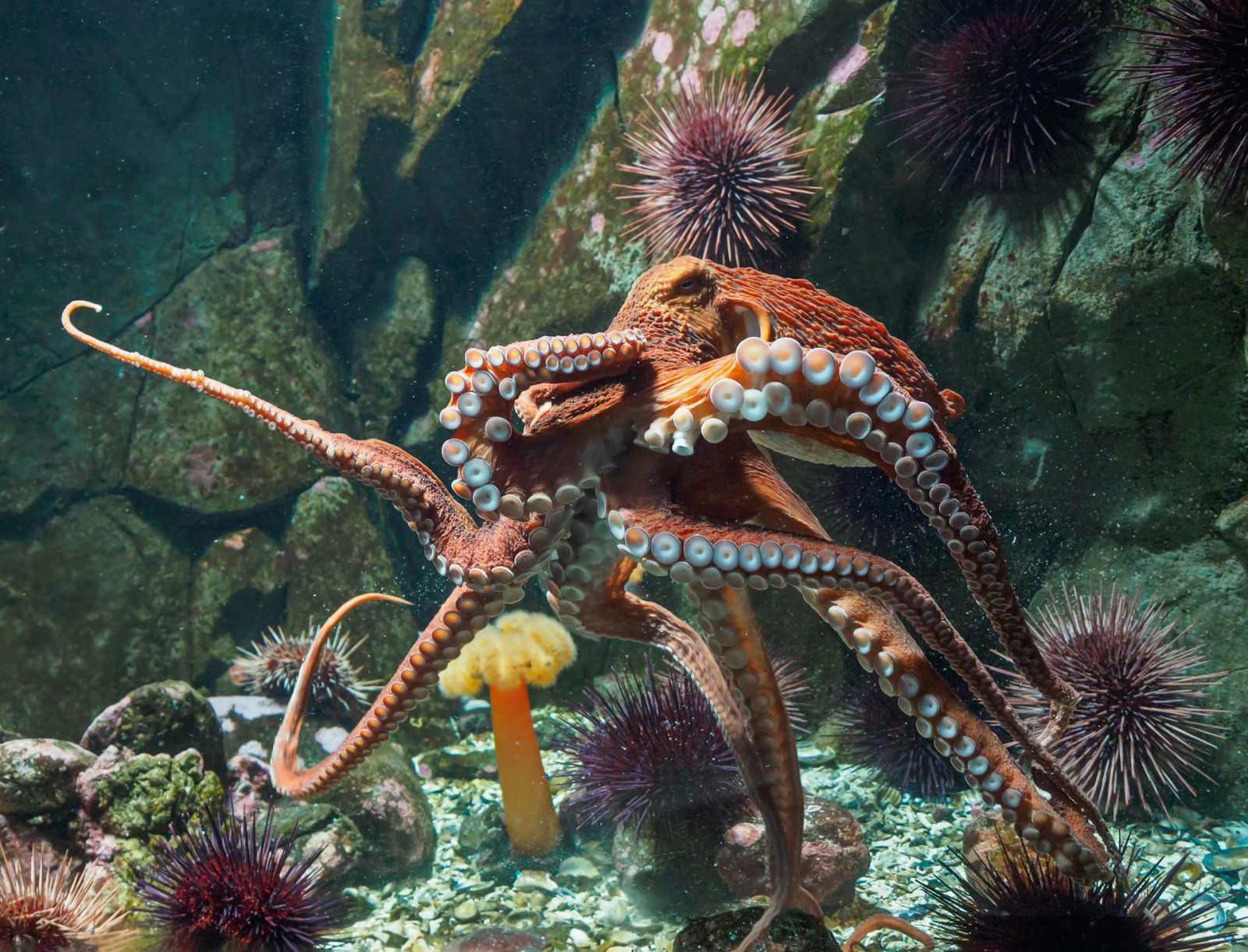
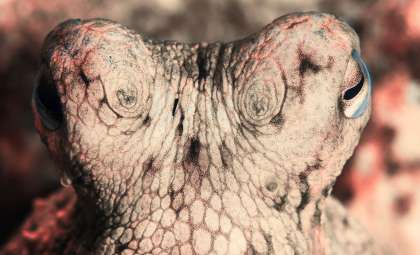
Coulson advocates for octopuses due to their extraordinary neurological and behavioral traits. “Their problem-solving prowess, ability to communicate through dynamic color changes, object manipulation, and precision camouflage indicate potential for evolving civilization-like complexity after humans vanish,” he explains.
Octopus nervous systems are uniquely structured: roughly two-thirds of neurons reside in their arms, allowing each limb to function semi-autonomously. Research published in PNAS highlights how this decentralization underpins octopus cognition and adaptability, equipping them for unpredictable environments. Coulson interprets this as a significant evolutionary advantage.
Extensive studies attest to octopuses' remarkable capabilities. A 2022 Nature Scientific Reports article recorded octopuses using tools, completing multi-step tasks, and navigating unfamiliar settings, indicative of adaptable, experience-based learning. They can differentiate between physical and virtual stimuli, open sealed containers, use their tentacles with thumb-like precision, and thrive in environments ranging from deep ocean trenches to coastal shallows. Coulson amusingly notes, “Some octopuses even escape their tanks overnight to visit neighbors in labs.”
Challenges to Octopus Evolutionary Dominance
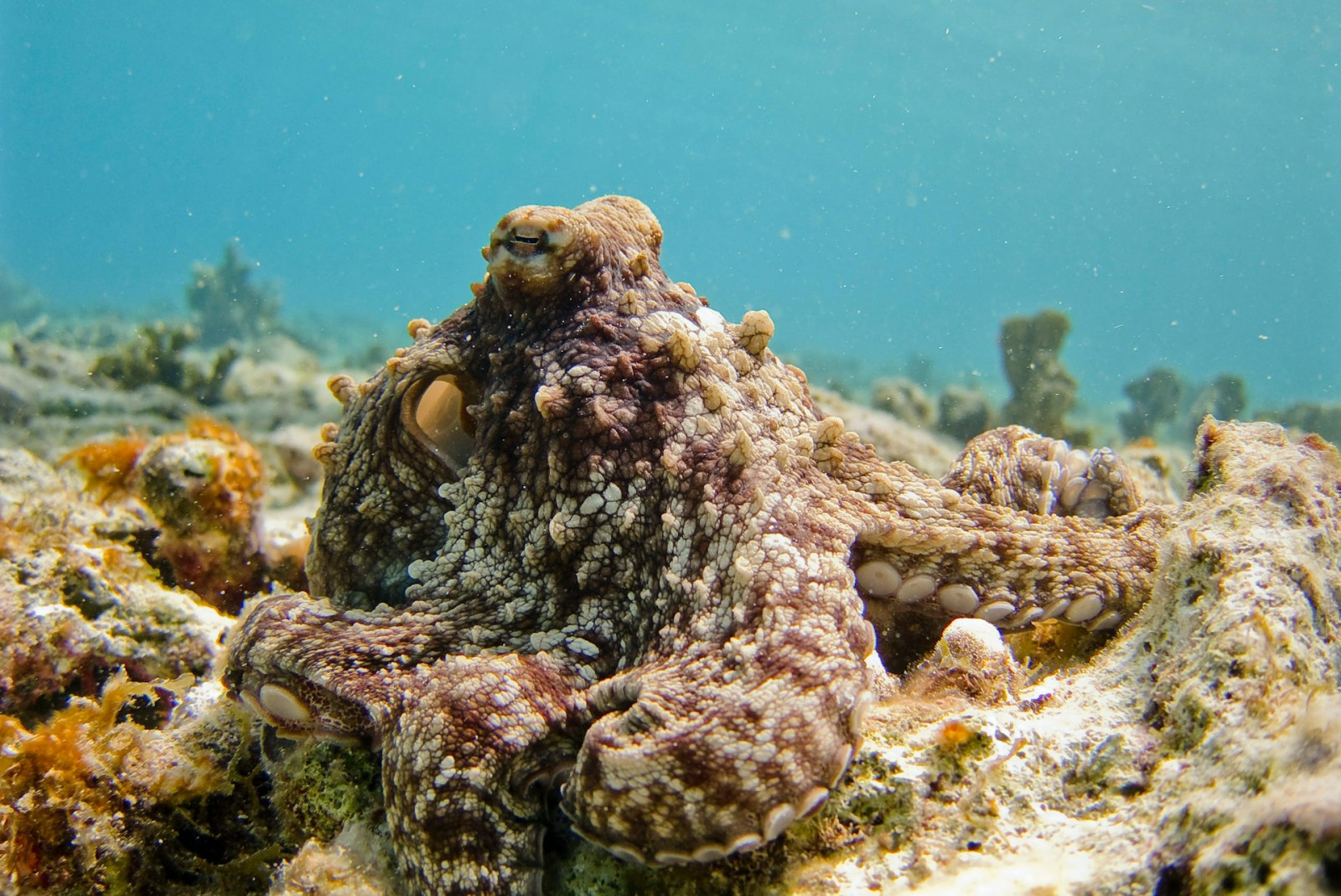
Some scientists remain skeptical about octopuses' potential rise. Coverage by Earth.com highlights an ongoing debate involving multiple biological disciplines. Culum Brown from Macquarie University emphasizes that octopuses still operate on a fundamentally simple body plan, akin to a snail’s, and their brief lifespans—often just months to a year—restrict how quickly beneficial mutations can propagate, thereby limiting evolutionary pace.
Social factors also pose hurdles. Philosophy of Science Professor Peter Godfrey-Smith from the University of Sydney has observed that octopus parents largely abandon their young, which hinders development of intergenerational cultural transmission. Without passing down knowledge, the emergence of culture remains unlikely despite millions of years of octopus evolution.
Coulson concedes these limitations. “These scenarios are speculative,” he says, “and forecasting evolution over long timescales involves considerable uncertainty.”
Could Octopuses Adapt to Life on Land?
A particularly speculative aspect of Coulson’s vision involves octopuses colonizing terrestrial habitats. He notes, “Current physiology, including the lack of a supporting skeleton, makes rapid movement on land difficult for octopuses.”
Nevertheless, over vast evolutionary periods, he doesn’t dismiss the possibility that octopuses might evolve adaptations to breathe air and pursue land animals such as deer or sheep, assuming they survive any human extinction events.
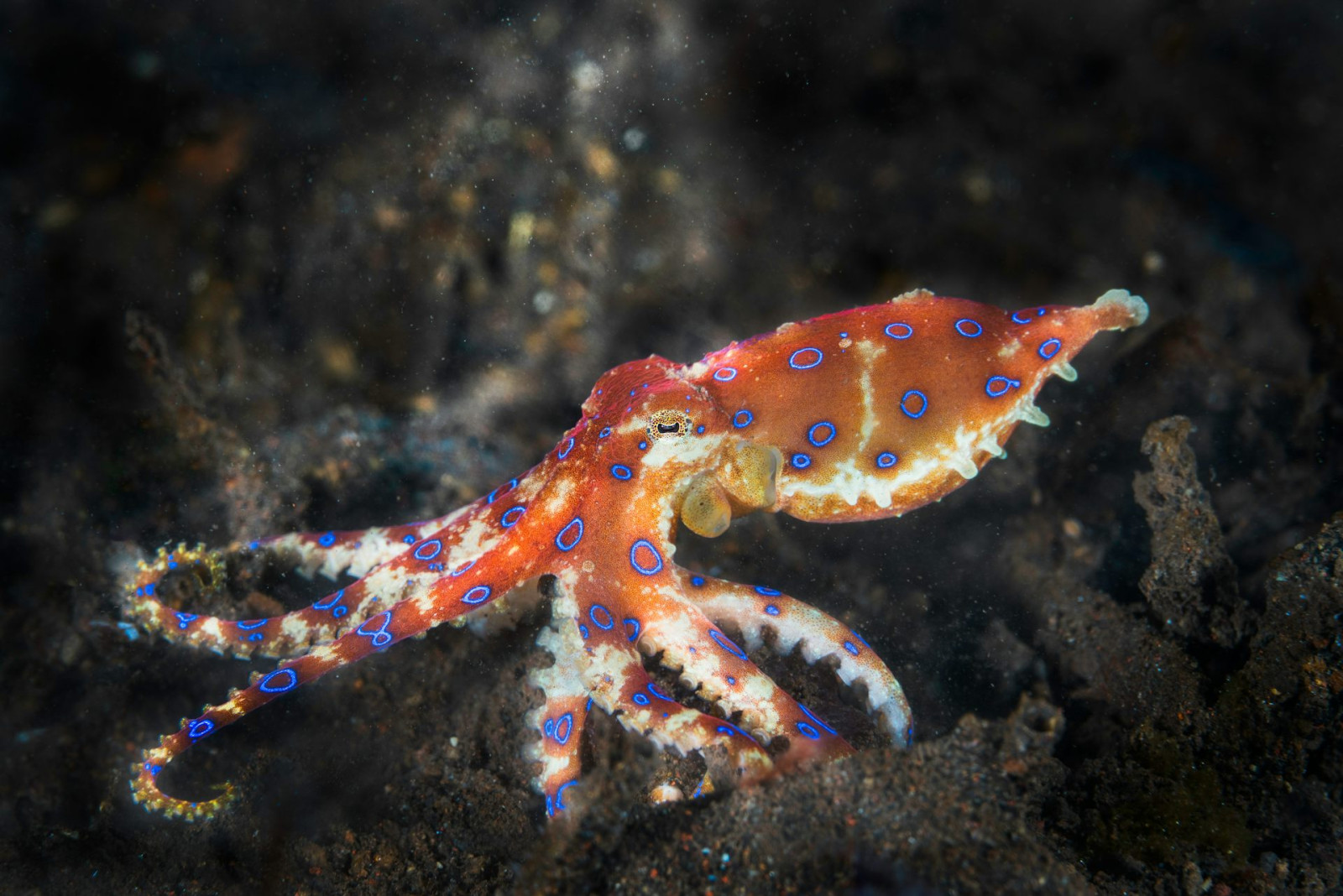
Some octopus species already reach impressive sizes—up to 20 feet in length and 110 pounds in weight—with formidable predatory abilities underwater. Transitioning to land would be an extraordinary evolutionary shift, but not unprecedented compared to historical movements of life between environments in the fossil record.
“Will octopuses someday build intricate underwater cities or venture onto land using breathing aids to hunt terrestrial prey? We simply don’t know,” Coulson reflects. “But it’s a possibility we can’t exclude.”
Ultimately, Coulson’s deeper message centers on evolution’s unpredictable nature. “Random genetic changes, catastrophic extinctions, and population bottlenecks drive evolution’s course, making it difficult to foresee if any species will reach human-level intelligence or construct civilization,” he concludes.
- Categories:
- Science



0 comments
Sign in to Comment