
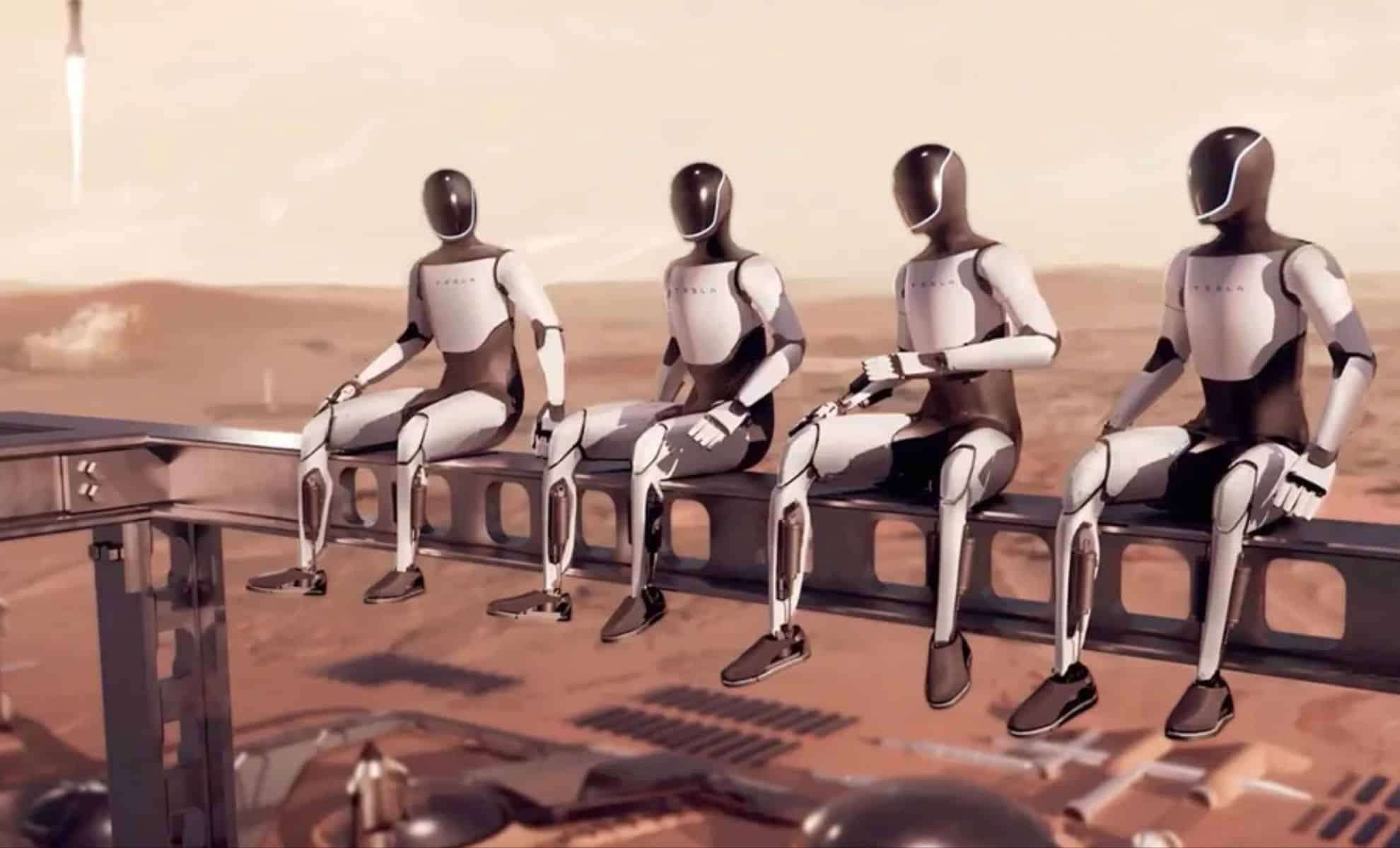
As the quest to establish a human presence on Mars accelerates, artificial intelligence and robotic technology are becoming indispensable tools in space exploration. The idea of deploying “AI astronauts” is evolving from science fiction into tangible mission strategies. Experts such as Pascal Lee from the SETI Institute advocate for intelligent humanoid robots to undertake critical operations on Mars, thereby minimizing human risk and conserving vital resources.
Emerging Role of Humanoid Robots in Space Missions
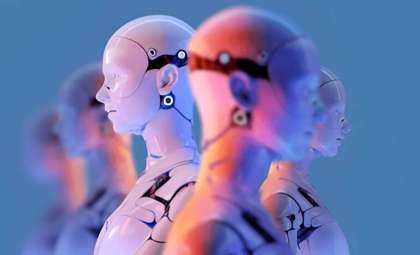
In the era of rapidly advancing AI, the emergence of artificial human-like robots is increasingly feasible. Equipped with cutting-edge artificial intelligence, these robots will be central to the exploration of Mars and other planets. Pascal Lee highlights that as we progress into the “Age of AI,” developments in robotics are steadily working toward creating the first artificial humans. These entities will replicate human physical abilities and offer agility suited for survival and operation in hostile environments like Mars.
These robotic advancements provide a critical advantage by reducing dependency on extensive life-support systems necessary for human astronauts. While human explorers will remain essential for in-depth missions, sending robotic collaborators or substitutes has the potential to transform the logistics and efficiency of space exploration. These AI-driven astronauts could conduct surface explorations, execute scientific research, and handle spacewalks without enduring the limitations that challenge human crews.

Planning Mars Missions with AI in Mind
Integrating AI technologies in Mars missions presents strategic challenges. Pascal Lee points out that this compels mission designers to carefully evaluate which exploration capabilities and systems to develop and incorporate now versus those that will improve naturally alongside societal advancements in AI and robotics. This approach enables prioritization of the most impactful technologies for immediate investment.
Instead of reinventing technology with every expedition, space agencies are weighing the comparative benefits of human crews against enhanced AI robots. AI-powered machines, endowed with autonomous functions, can often perform tasks more swiftly and accurately than humans, potentially surpassing human endurance in roles like environmental monitoring, infrastructure assembly, and resource extraction on Mars.
Next Frontier: Intelligent Super Astronauts
Looking ahead, the concept of “artificial super astronauts” opens thrilling possibilities for exploration beyond human limits. These advanced robotic beings, powered by artificial general intelligence (AGI), could surpass human cognitive and physical abilities. Lee envisions a future where these entities are seen not merely as machines but as a form of progeny. Such super-intelligent machines would operate at speeds and efficiencies unimaginable for humans, making them perfect candidates for interplanetary and interstellar missions.
The prospect of dispatching “artificial super astronauts” to distant planets or stars is rapidly gaining traction. These android explorers could serve dual roles—investigators and guardians of human genetic material, safeguarding humanity’s biological blueprint across the cosmos. They would venture into the far reaches, executing mission-critical tasks without direct human support, preserving and potentially extending human legacy on alien worlds.
Reevaluating Human Space Travel
The surge in AI capability demands a fresh perspective on human missions to Mars and beyond. As Lee notes, “In the near term, AI’s influence on space exploration necessitates a reevaluation of how we plan human expeditions to Mars.” Institutions like NASA and private companies such as SpaceX must revisit their strategies, particularly concerning astronaut roles. Intelligent robots could undertake many responsibilities traditionally assigned to humans, paving new paths for human participation.
This evolving dynamic introduces new paradigms for human involvement in these endeavors. Instead of long-haul missions with full human crews, it may be more practical to send AI robots first to establish infrastructure and prepare the environment. Human astronauts might then arrive later, once habitats and resources are in place. This shift not only shakes up traditional mission planning but also raises profound ethical and philosophical questions regarding the future role of humans versus AI in the grand adventure of space exploration.
- Categories:
- News







0 comments
Sign in to Comment