
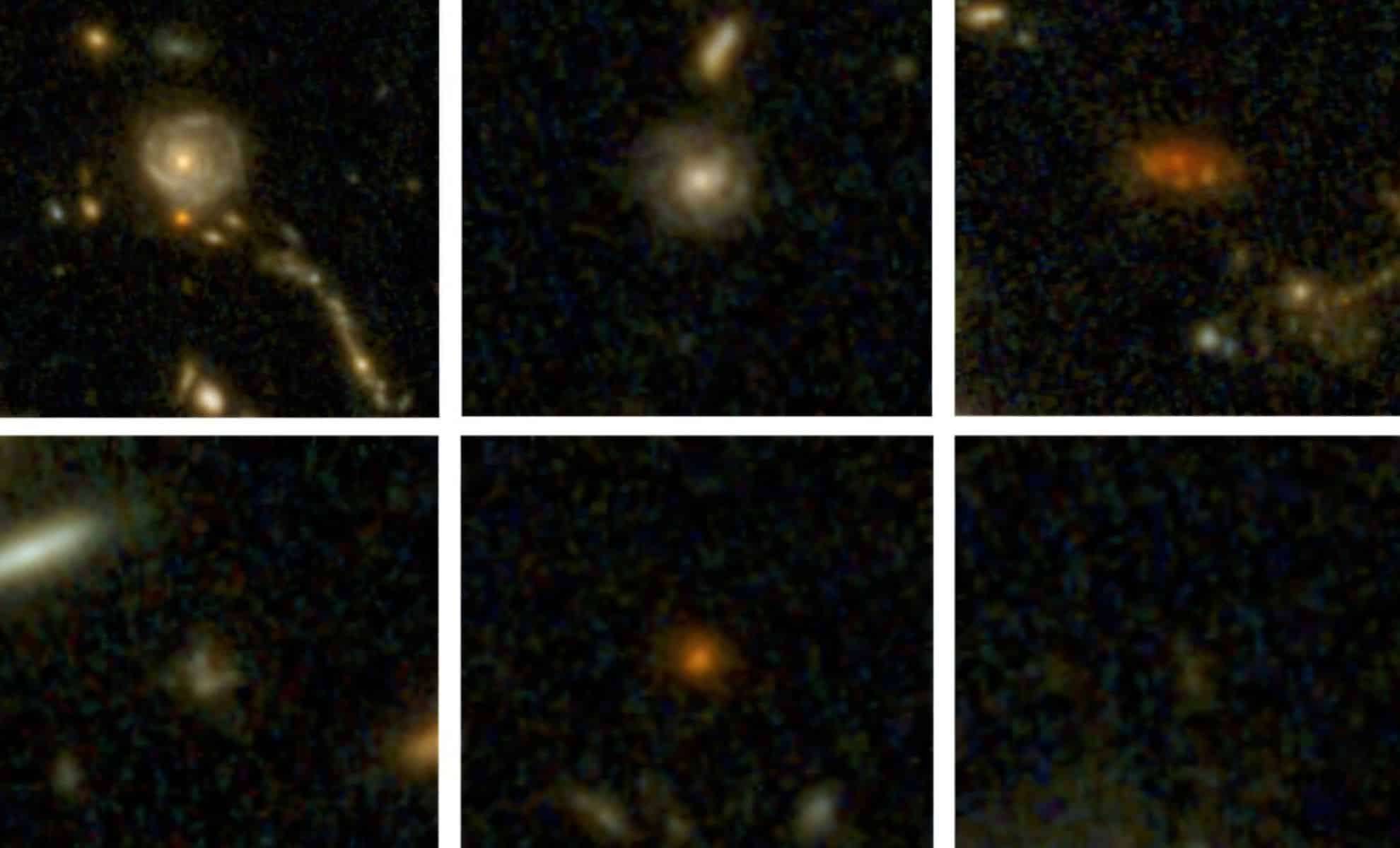
The COSMOS-Web team has unveiled the most extensive cosmic map to date, leveraging data from the James Webb Space Telescope (JWST). This remarkable survey covers almost 98% of the universe’s timeline and includes a catalogue approaching 800,000 galaxies, some formed nearly 13.5 billion years ago, close to the dawn of the cosmos. This milestone not only provides an extraordinary window into the universe’s infancy but also challenges established models about its earliest stages.
Exploring the Vast Reach of the COSMOS-Web Survey
The COSMOS-Web project represents a monumental advancement in deep-space imaging, surpassing renowned efforts such as the Hubble Ultra Deep Field. Utilizing the JWST’s powerful 6.5-meter primary mirror, the collaboration captured an unprecedentedly deep and wide region of the sky.
Caitlin Casey, a physics professor at UC Santa Barbara and co-leader of COSMOS-Web, highlighted the scale of their achievement, comparing it with the Hubble Ultra Deep Field from 2004. “If you imagine the Hubble Ultra Deep Field printed on a sheet of paper,” Casey explained, “our image would be larger than a 13-by-13-foot mural at the same depth — a truly vast view.”

This extensive glimpse traverses 13.5 billion years, illuminating the progression of galaxies and cosmic structures, and providing fresh insights that challenge prior assumptions about the universe’s post-Big Bang evolution.
Revolutionary Insights from JWST: Revisiting the Dawn of the Universe
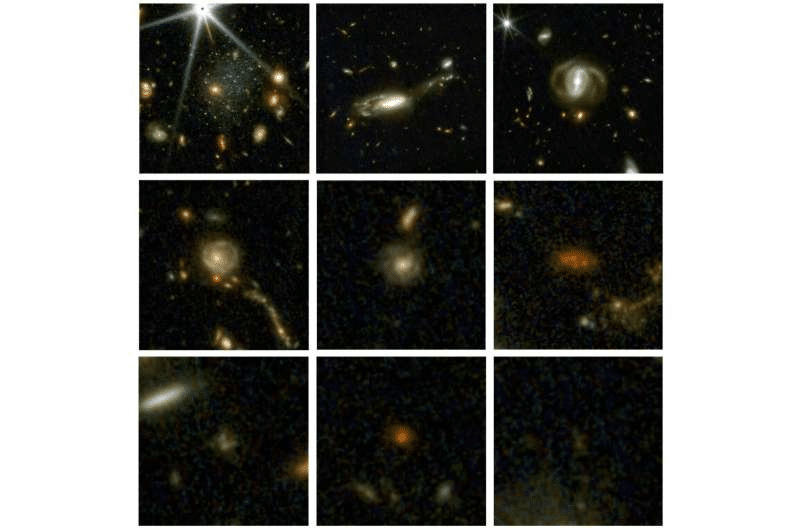
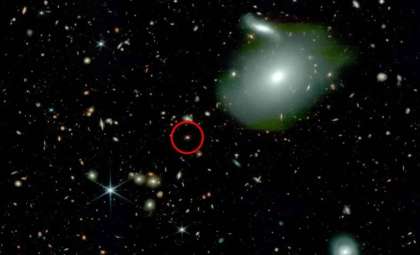
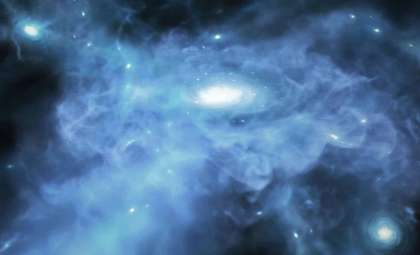
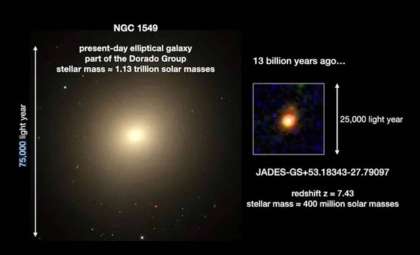
The COSMOS-Web dataset has revealed an unexpectedly high number of galaxies from the universe’s early epochs. Prior predictions assumed that galaxies emerging within the first 500 million years after the Big Bang would be extraordinarily scarce due to the slow process of matter collapsing and star formation. Yet, observations from JWST defy these expectations dramatically.
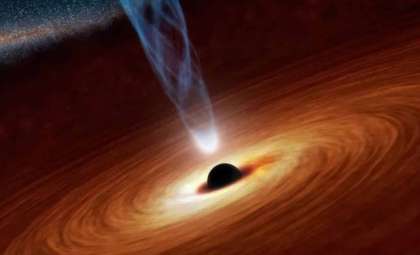
“Remarkably, JWST reveals roughly ten times more galaxies at these immense distances than astronomers anticipated,” Casey reported. “Additionally, we are detecting supermassive black holes previously unseen by Hubble.” These findings imply that galaxy and black hole formation began far earlier and proceeded more rapidly than earlier theories suggested, presenting new puzzles about the cosmos’s infancy.
The discovery of supermassive black holes at vast distances introduces fresh complexity to cosmic evolution theories. These massive objects, which escaped earlier detection, are now observed in greater detail, prompting a reconsideration of black hole formation scenarios.
Galaxies in Their Cosmic Neighborhood: A Broader Context
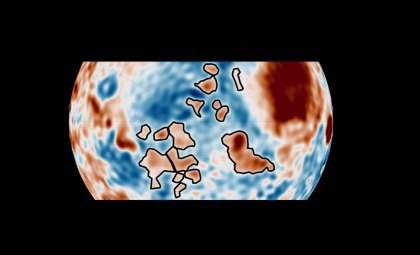
Beyond the sheer number of distant galaxies, the COSMOS-Web team sought to place them within their broader cosmic environments. The early universe was not just a collection of isolated galaxies; it was arranged in dense clusters and expanding voids.
“The structure of the universe includes dense regions and immense empty spaces,” Casey noted. “Our aim was to do more than locate the farthest galaxies; we wanted to understand their cosmic neighborhoods.” This perspective enables researchers to comprehend how the environmental conditions influenced the emergence of the first stars, galaxies, and black holes, enriching our understanding of early-universe conditions.
Challenging Cosmology: New Mysteries Arise
While COSMOS-Web’s revelations grant unparalleled insight into the universe’s formative years, they also introduce profound questions. JWST’s data suggests the cosmos emitted more light, more rapidly than existing theories predicted, causing tensions with known cosmic evolution models.
“It’s a logical expectation that after the Big Bang, a certain amount of time is required for gravitational forces to collapse matter and ignite stars,” Casey acknowledged. Yet, the evidence indicates these developments occurred more swiftly than once believed, potentially requiring scientists to revise the fundamental frameworks of cosmology.
Ongoing research aims to interpret how this early burst of light fits into the broader cosmic narrative, potentially reshaping our grasp of galaxy and star formation processes.
- Categories:
- News



0 comments
Sign in to Comment