
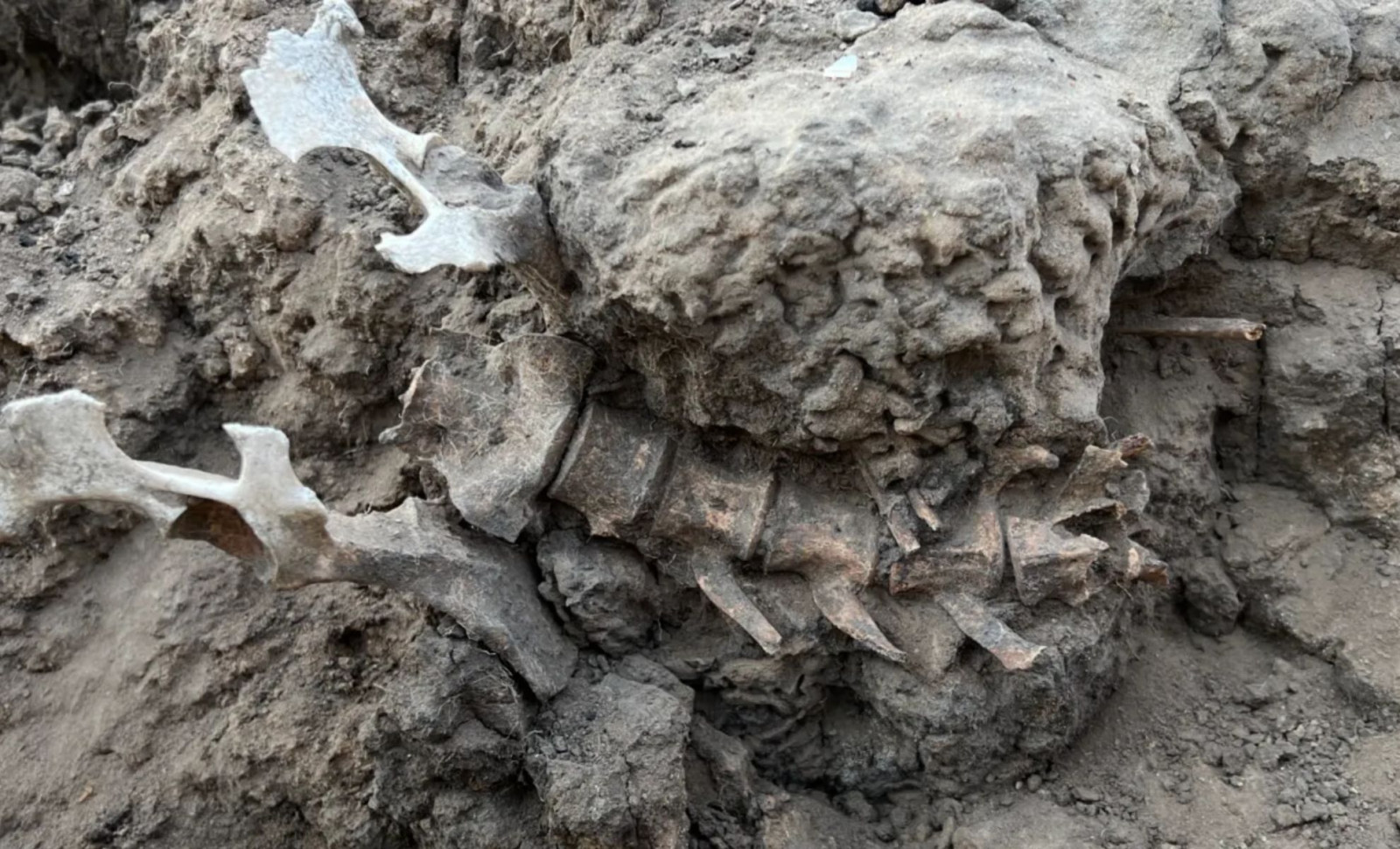
An ancient dingo skeleton discovered near Australia’s Baaka (Darling River) provides archaeologists with unique evidence of how Indigenous peoples interacted with wild dogs nearly a millennium ago. The animal survived significant trauma and was intentionally interred at a ceremonial site that remained significant well beyond its passing.
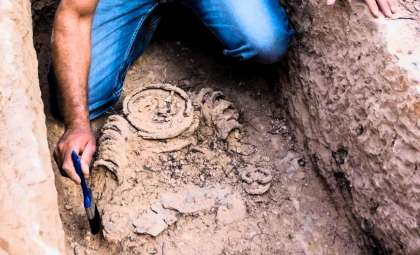
Initially revealed by erosion in 2020 along a road about 800 miles west of Sydney, this discovery was documented in Australian Archaeology through cooperation between Barkindji Elders and the Australian Museum’s team. Within Barkindji tradition, dingoes, known as garli, held an important role both in everyday life and spiritual ceremonies.
Evidence of Compassionate Care in Ancient Times
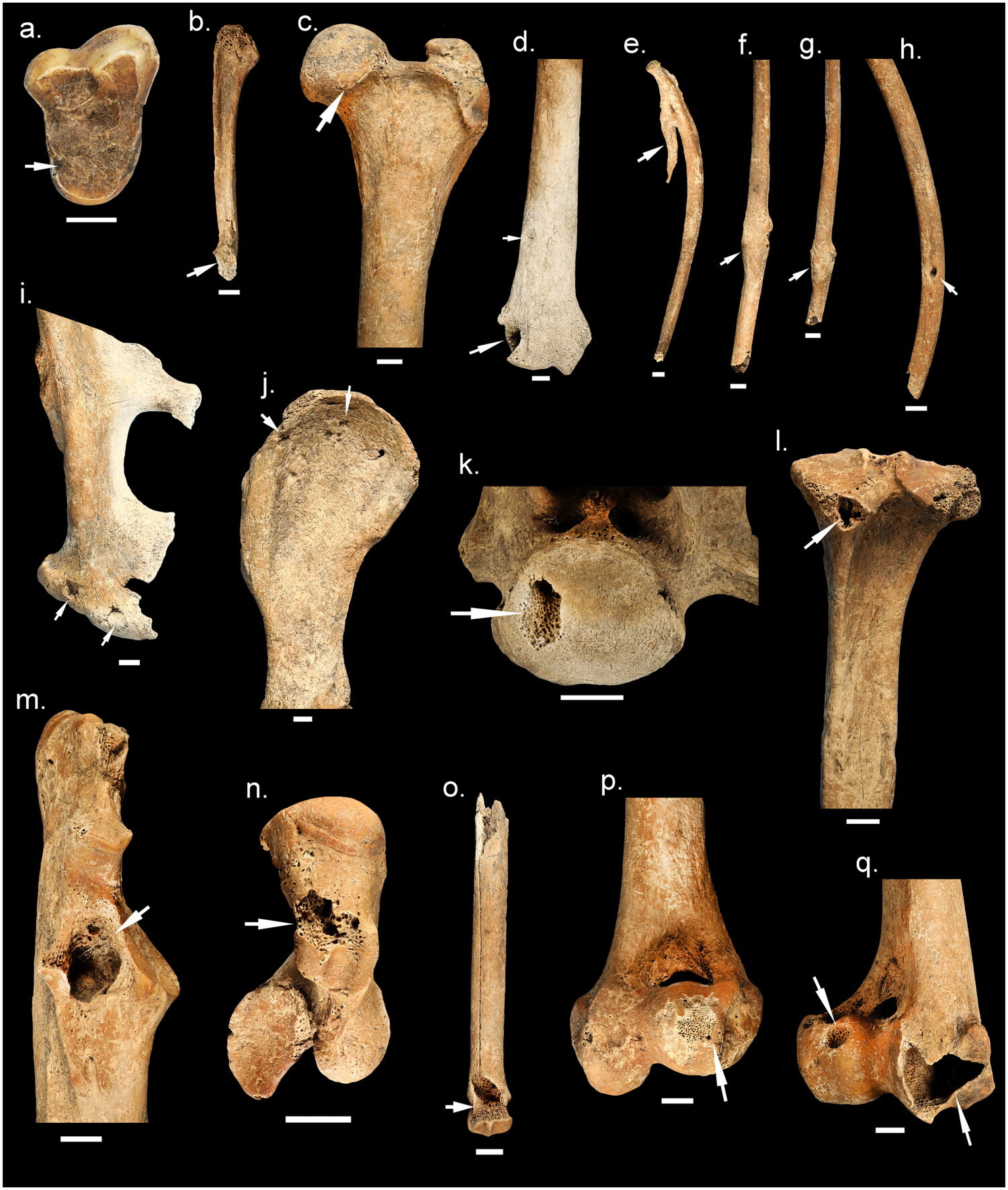
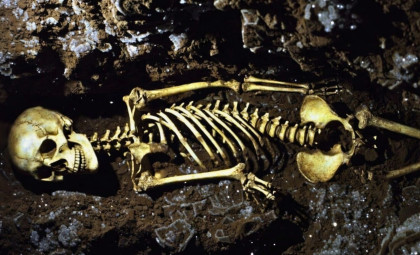
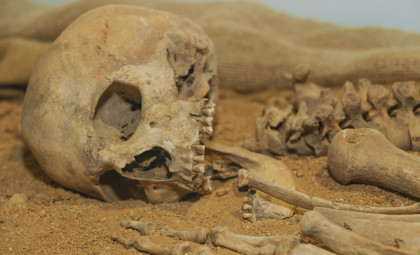
Dating back between 963 and 916 years, the male dingo was estimated to be between four and seven years old at death. Analysis of its worn teeth indicates a life spent hunting, while the skeleton bears multiple healed wounds, such as fractured ribs and a broken lower limb. Researchers, in a paper published 18 May 2026, propose these injuries may have resulted from kangaroo hunts.

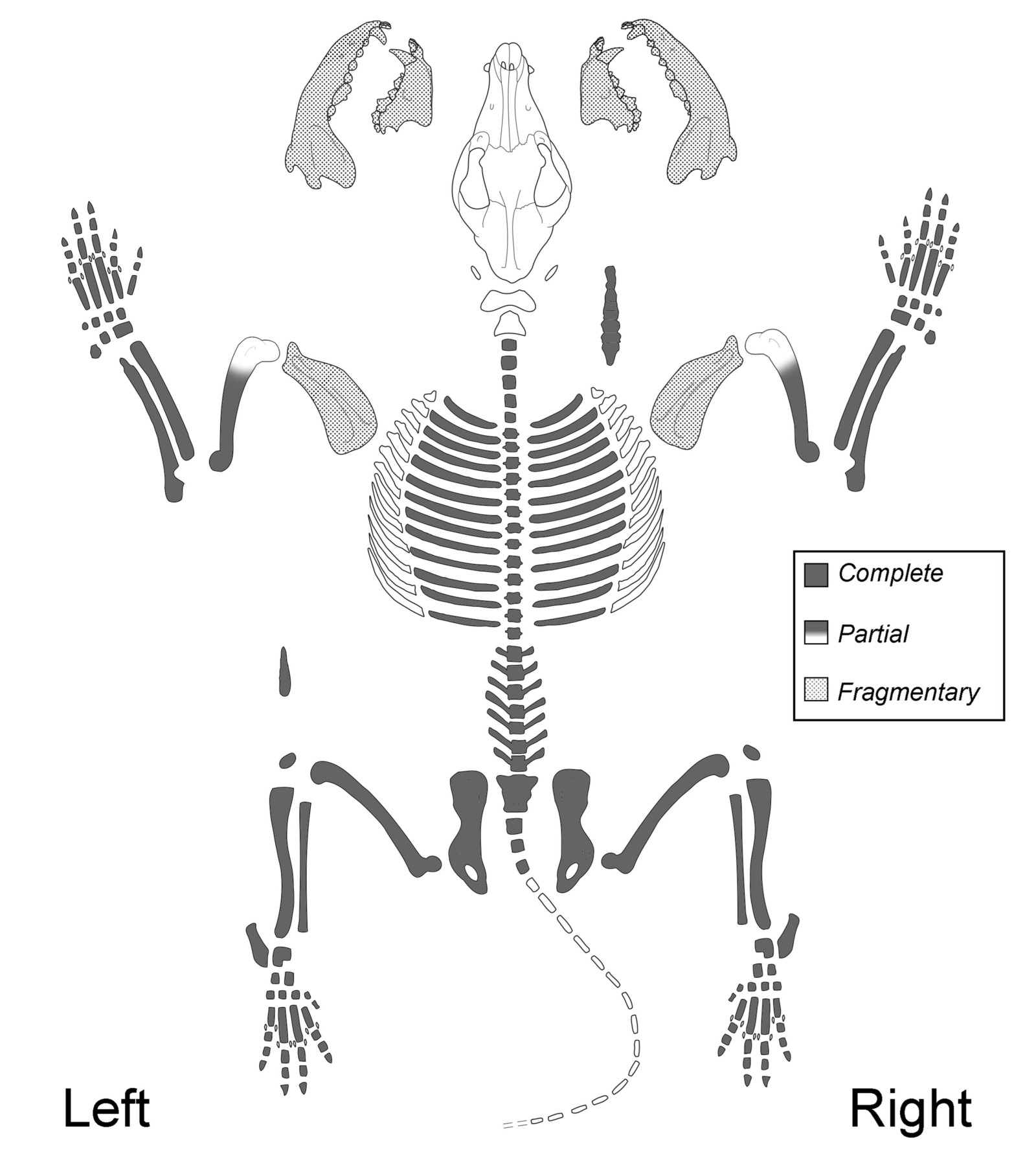
What intrigued scientists was the dingo’s survival long enough for these injuries to fully heal—something unlikely without human care and protection in harsh wild conditions.
“This confirms these traditions were much more widespread than we once thought,” said Dr. Loukas Koungoulos from the University of Western Australia and the Australian Museum. “Dingoes like this garli weren’t simply tolerated around camps. They were tamed, lived with people and were embedded in daily life.”
Dr. Koungoulos emphasized that dingoes were not merely tolerated near campsites but were integral companions, living closely with Indigenous peoples in line with longstanding oral histories of the Barkindji.
Long-Standing Ritual Use of Burial Site
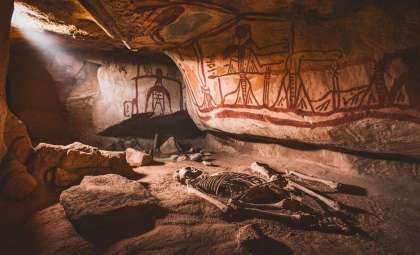
The dingo’s remains were intentionally interred within a midden—a refuse heap containing organic debris and shells—situated on the riverbank. Experts suggest the midden was either built around the burial event or designed for that purpose. Remarkably, the site remained active long after, with fresh river mussel shells added for centuries.
Barkindji Elders involved described this ongoing ritual deposition as a ceremonial “feeding” honoring the dingo as an ancestral figure. This study represents the first scientific validation of such a mortuary practice linked to dingo burials.
This discovery highlights the enduring cultural importance of the site and the dingo across multiple generations.
Scientific Insights Affirm Indigenous Knowledge
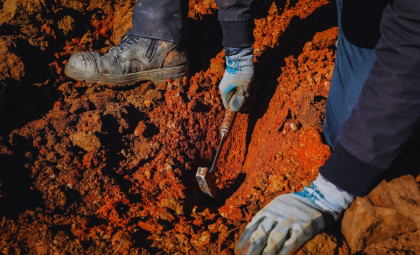
Excavation efforts were supported by the Menindee Aboriginal Elders Council along with custodians from the Barkindji community, including Dave Doyle and Elder Barb Quayle.
Dr. Amy Way of the Australian Museum noted that the manner of burial reflected a reverence typically reserved for honored human ancestors.
“If garli were buried with the same care and respect we see for human ancestors, including mothers and elders, it tells us these animals were profoundly valued and loved.”
Researchers emphasized that this find does not reveal a lost tradition but rather substantiates the Barkindji’s long-held knowledge. Following study completion, the dingo’s remains were respectfully returned to Country, the Indigenous Australian term describing deep cultural and spiritual ties to ancestral land.
“This research reinforces what Barkindji people have always known,” Dr. Way noted. “These relationships with animals, ancestors and Country were deep, deliberate and ongoing.”
- Categories:
- Science



0 comments
Sign in to Comment