
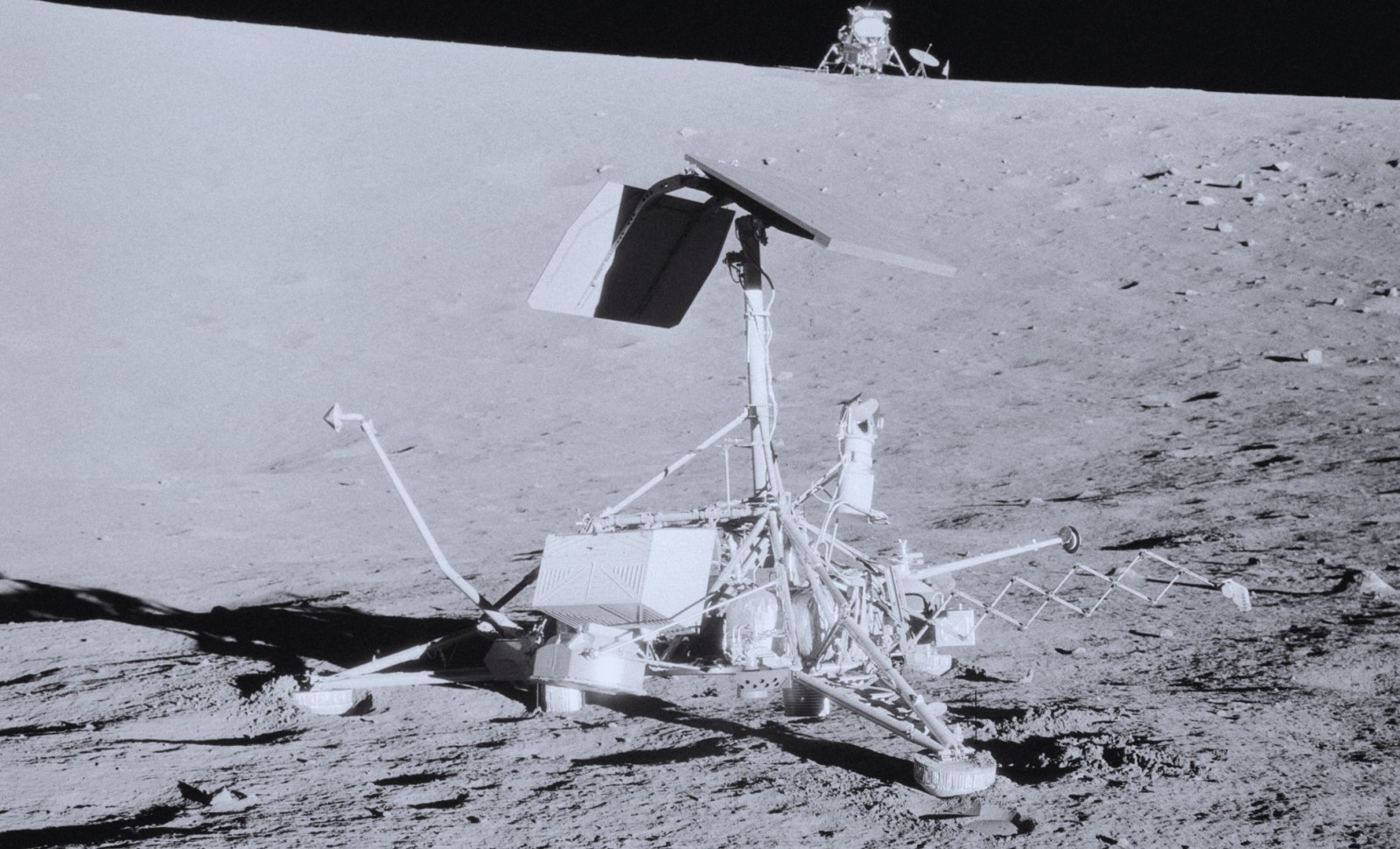
Mining the Moon has shifted from science fiction to an imminent reality. Both private enterprises and governmental space agencies are rapidly developing technologies to harvest valuable lunar materials, yet international regulations remain unclear. Without comprehensive global agreements, competitive efforts risk becoming chaotic or even contentious.
Technological progress is accelerating initiatives to extract resources from the lunar surface, but the legal frameworks intended to oversee these activities are largely outdated or overlooked. With billions invested and new participants entering the field, the necessity for unified rules is becoming increasingly urgent.
Developing Lunar Mining Equipment
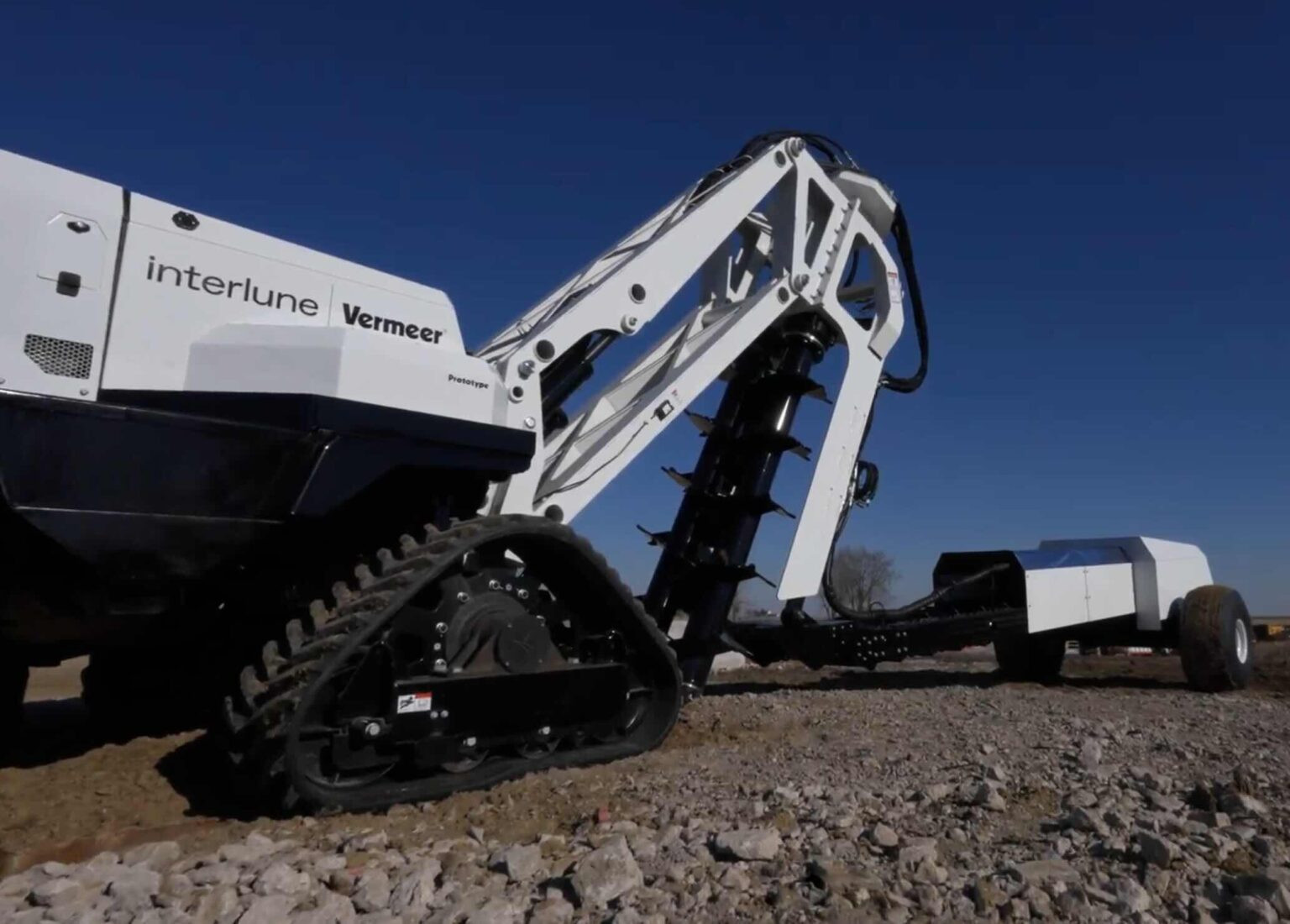
The equipment designed for lunar excavation is no longer just a concept. According to Space.com, Interlune, a startup based in Seattle, partnered with Vermeer, a manufacturing firm, to create a prototype electric excavator capable of processing as much as 100 metric tons of lunar regolith per hour. Their main target is helium-3, an uncommon isotope that may prove essential for nuclear fusion energy.

Interlune has announced plans to conduct a 2027 mission aimed at detecting helium-3 deposits, followed by a small-scale mining operation expected in 2029. Concurrently, Pittsburgh-based space company Astrobotic is preparing its Griffin-1 lander to deploy a rover created by Astrolab for surface studies. Additionally, Intuitive Machines from Houston has developed the Nova-C lander, which is being used in NASA’s PRISM initiative to examine lunar soil and rocks.
Earlier this year, NASA’s Prime-1 mission demonstrated the capabilities of Honeybee Robotics’ Trident drill by successfully collecting samples of lunar dust and rock. These undertakings highlight a shift from concept development to actual execution in lunar mining technology.
Outdated Regulations Meet Growing Lunar Interests
Space law has seen little change since the mid-20th century. The 1967 Outer Space Treaty prohibits sovereign claims on extraterrestrial bodies and states that exploration should benefit all humanity. However, as Space.com points out, it lacks clear enforcement mechanisms and explicit rules on resource sharing, leading to varying national interpretations.
The 1979 Moon Agreement went further, declaring lunar assets as the “common heritage of mankind,” though it has only been ratified by 15 nations, none among the leading spacefaring countries. In this regulatory gap, nations like the United States, Luxembourg, Japan, and the UAE have introduced laws permitting private resource extraction. Meanwhile, the Artemis Accords, a set of voluntary principles introduced by the U.S. in 2020, add another layer of guidelines, resulting in overlapping and sometimes conflicting frameworks.
Challenges and Hazards in Lunar Mining
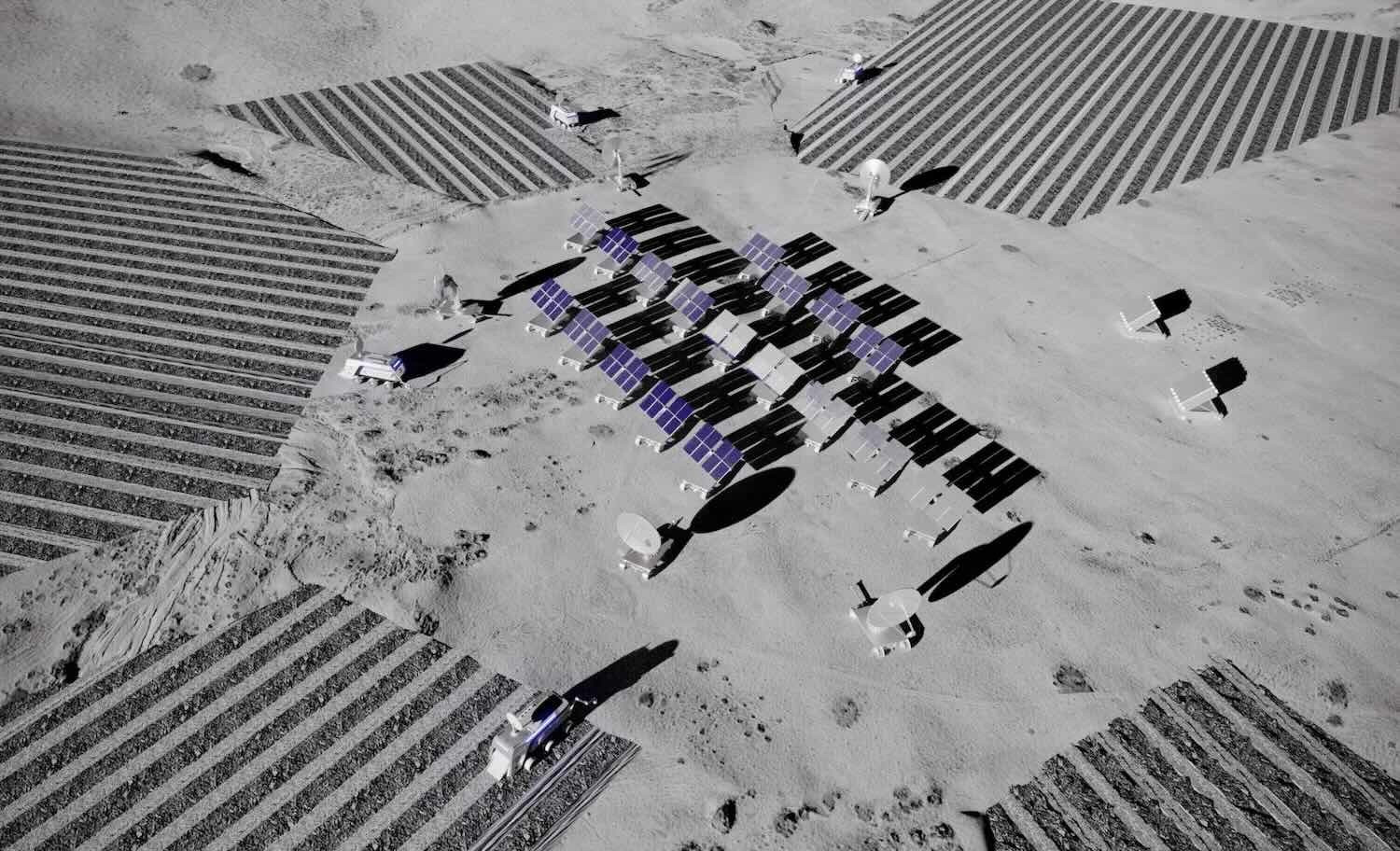
With an increasing number of lunar missions on the horizon, the likelihood of resource disputes intensifies. The Moon’s valuable materials like water ice and rare metals are unevenly distributed in certain limited areas, raising potential for overlapping claims, operational conflicts, and escalating tensions, according to Space.com.
Concerns also exist regarding the environmental and scientific impact of mining. Astronomy experts caution that large-scale operations might interfere with critical research or irreversibly alter the lunar environment. The European Space Agency’s zero-debris charter, which aims to be formally adopted by 2030, underscores growing awareness of these issues.
- Categories:
- News









0 comments
Sign in to Comment