
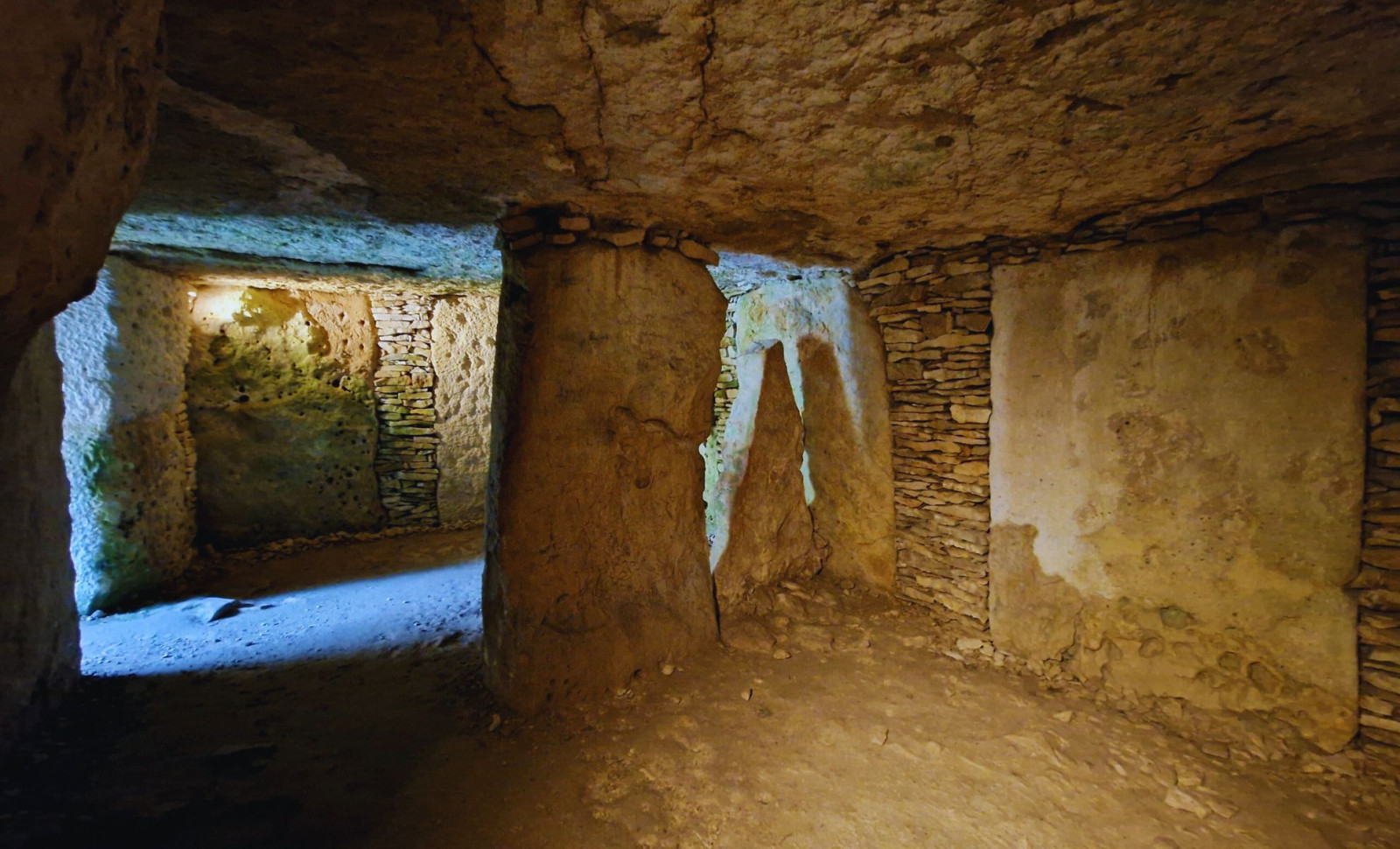
The Bougon tumuli in western France represent some of Europe's earliest monumental burial sites. Originating in the Neolithic era, these mounds showcase early methods of large-scale construction and sustained use over hundreds of years.
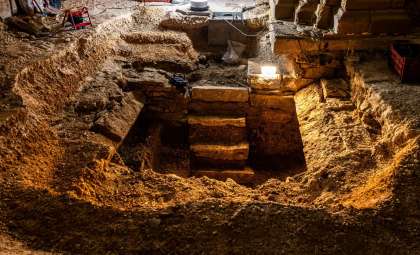
Situated in the Deux-Sèvres region close to the village of Bougon, the site features multiple earthen mounds sheltering stone burial chambers. Dating between circa 4800 and 3500 BCE, these impressive structures rank among the oldest preserved megalithic architectures in Europe.
The complex is curated by the Bougon Tumulus Museum, which offers visitors insight into the site and its archaeological discoveries. The official tourism platform highlights how the museum links the physical remains with artifacts unearthed during excavations, illustrating both the function and construction of the tumuli.

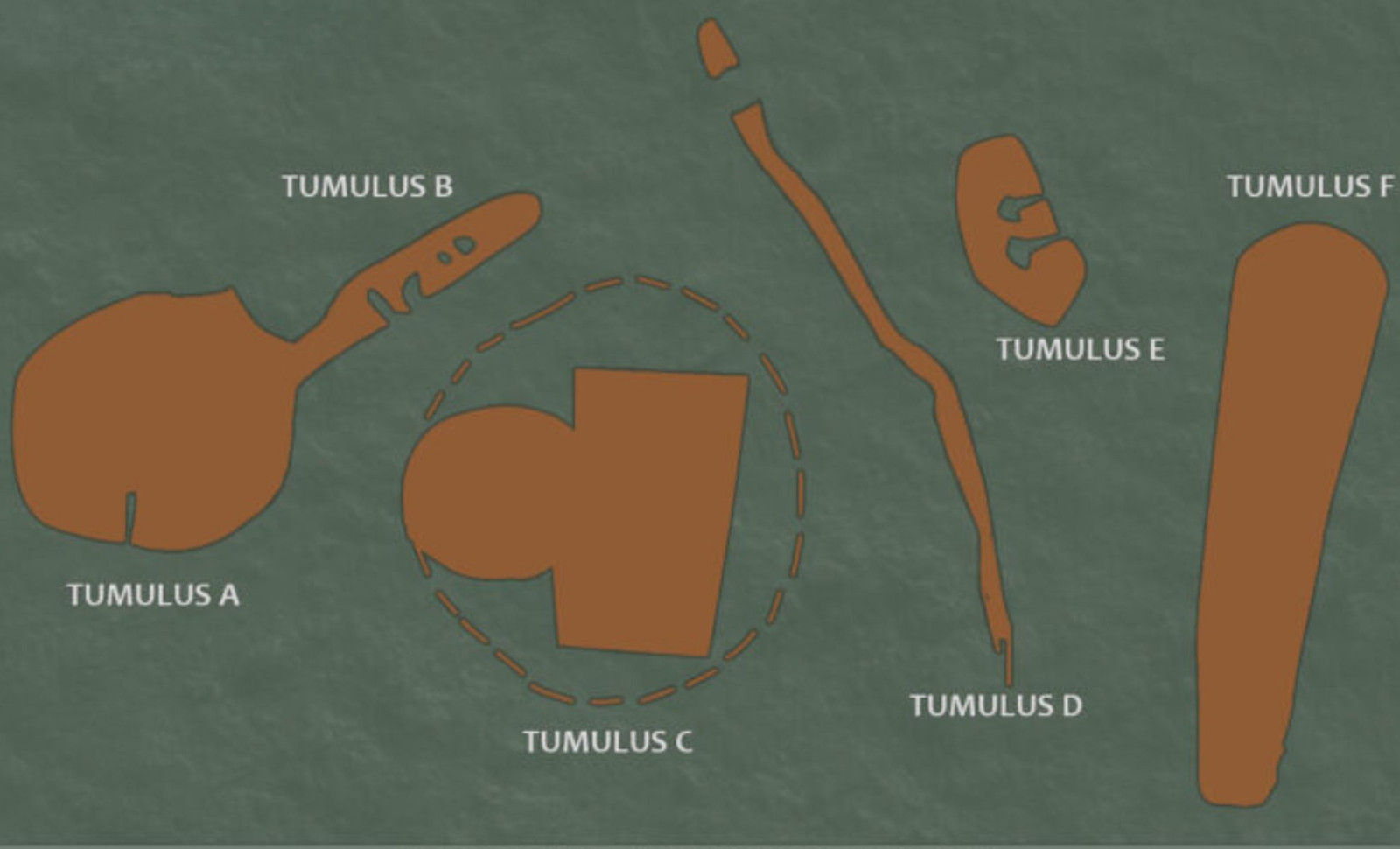
Six Distinct Tumuli with Diverse Designs and Phases
Within the Bougon site are six principal tumuli, identified as A through F. Each mound varies in dimensions, internal layouts, and development stages. Referencing the Museum of the Tumulus of Bougon, some mounds contain single burial chambers, while others have multiple interconnected rooms linked by limestone slab passages.
Tumulus A is recognized as one of the earliest constructed tombs, whereas others like Tumulus E display more intricate chamber arrangements. Archaeological findings reveal that multiple mounds underwent modifications following their initial construction, including extensions and structural alterations over time.
These phased renovations suggest the tumuli were actively used and maintained over several generations. Variations in construction approaches reflect evolving burial customs and techniques within this ancient community.
Buried Remains and Neolithic Artifacts Unearthed
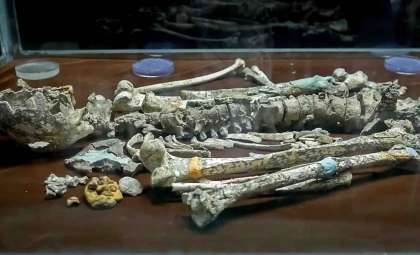
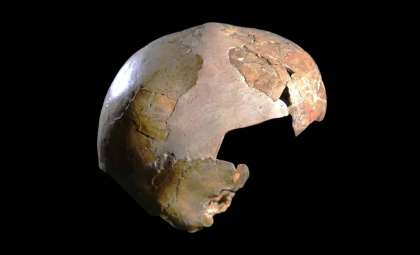
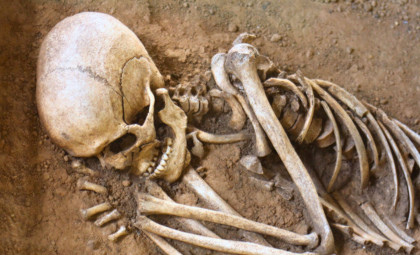
Investigations at the Bougon site have uncovered human bones alongside objects placed within burial chambers. According to the Bougon museum’s documentation, discoveries include ceramics, tools, and decorative items found near the skeletal remains.
The coexistence of multiple individuals in single chambers supports the interpretation of collective burial practices, reinforced by evidence that certain tombs were reopened and reused repeatedly.
The artifacts offer valuable insights into Neolithic craftsmanship and daily life. Pottery and implements demonstrate manufacturing skills, while decorative items suggest forms of personal or symbolic expression. Per information from the museum, these results add to our understanding of social structures during the Neolithic era.
Conserved Site with Engaging Exhibits
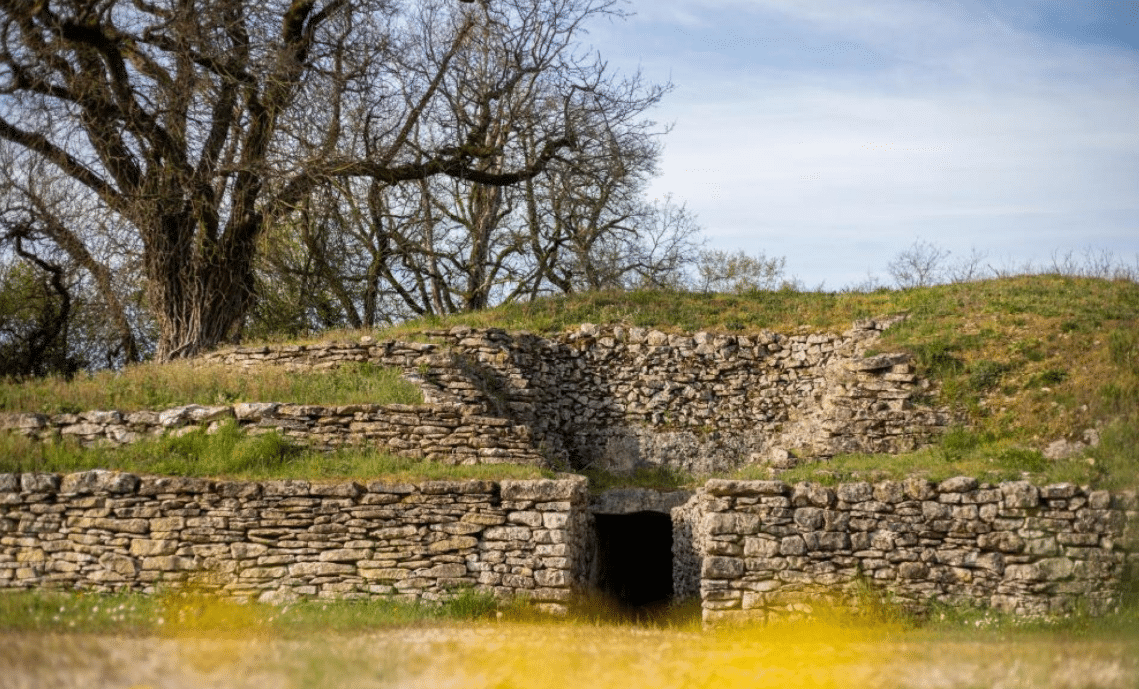
The Bougon Tumulus Museum oversees the protection of the site and offers context for its archaeological significance. Visitors can explore the tumuli exteriors and view exhibitions featuring artifacts recovered in digs.
The official website notes that the museum includes reconstructions of burial chamber interiors based on archaeological evidence, allowing a glimpse into their original layout. The surrounding protected landscape preserves the spatial arrangement of the tumuli, aiding ongoing research into their construction and placement within the terrain.
- Categories:
- News




0 comments
Sign in to Comment