
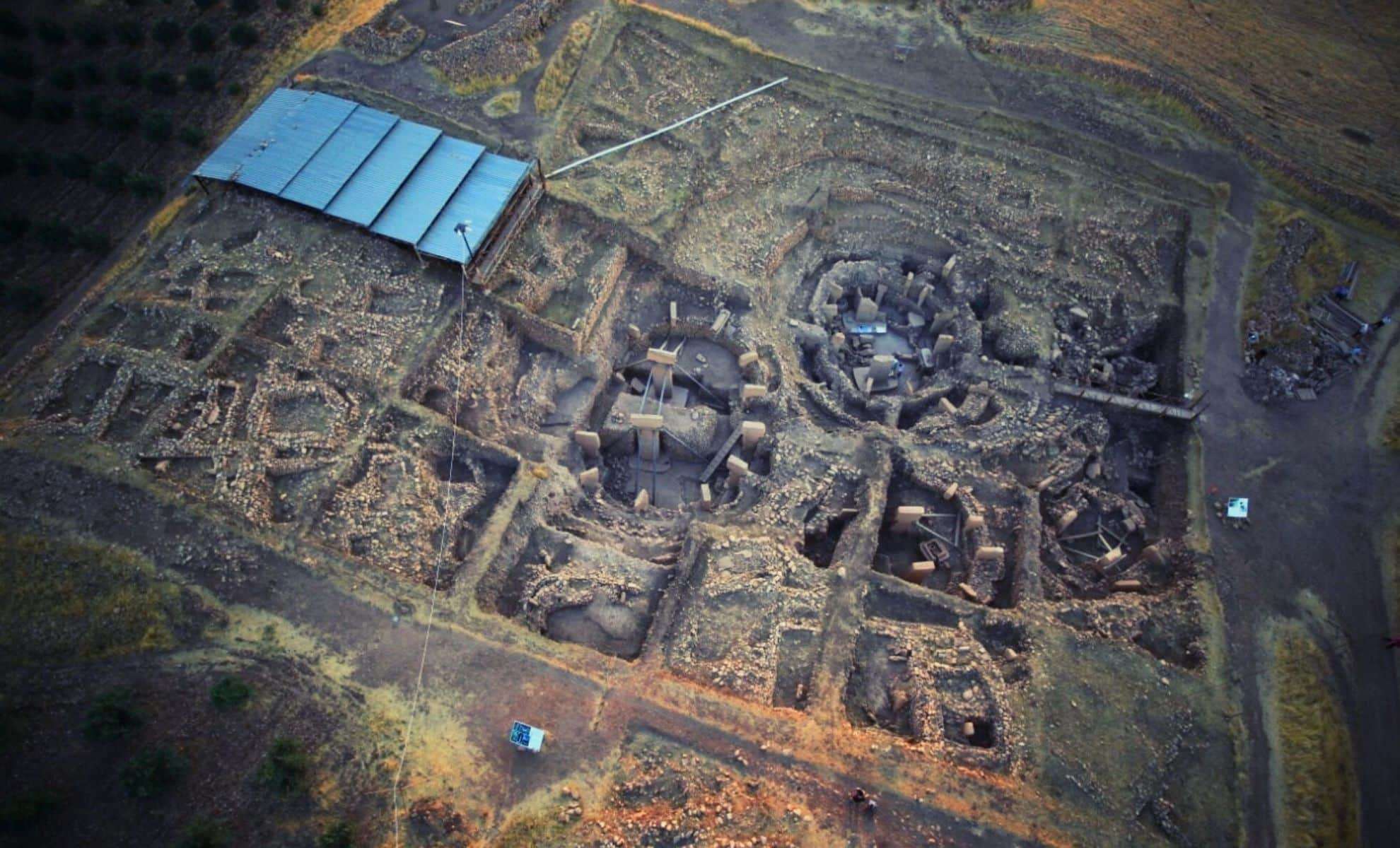
A remarkable find in southern Turkey is shedding new light on early timekeeping and humanity’s ancient relationship with the sky. Archaeologists have recently unearthed signs of a complex calendar system at a site long admired for its mysteries, dating back several millennia earlier than any known predecessor. This breakthrough challenges our understanding of prehistoric civilizations and their grasp of natural cycles.
Göbekli Tepe: An Enigmatic Ancient Site
Located near the city of Şanlıurfa in southeastern Turkey, Göbekli Tepe is an archaeological marvel famous for its towering T-shaped stone pillars. Recent investigations propose that this site houses the oldest discovered solar calendar, dating back approximately 12,000 years. Beyond its impressive architecture, Göbekli Tepe appears to reflect a surprisingly advanced understanding of astronomy for its age.
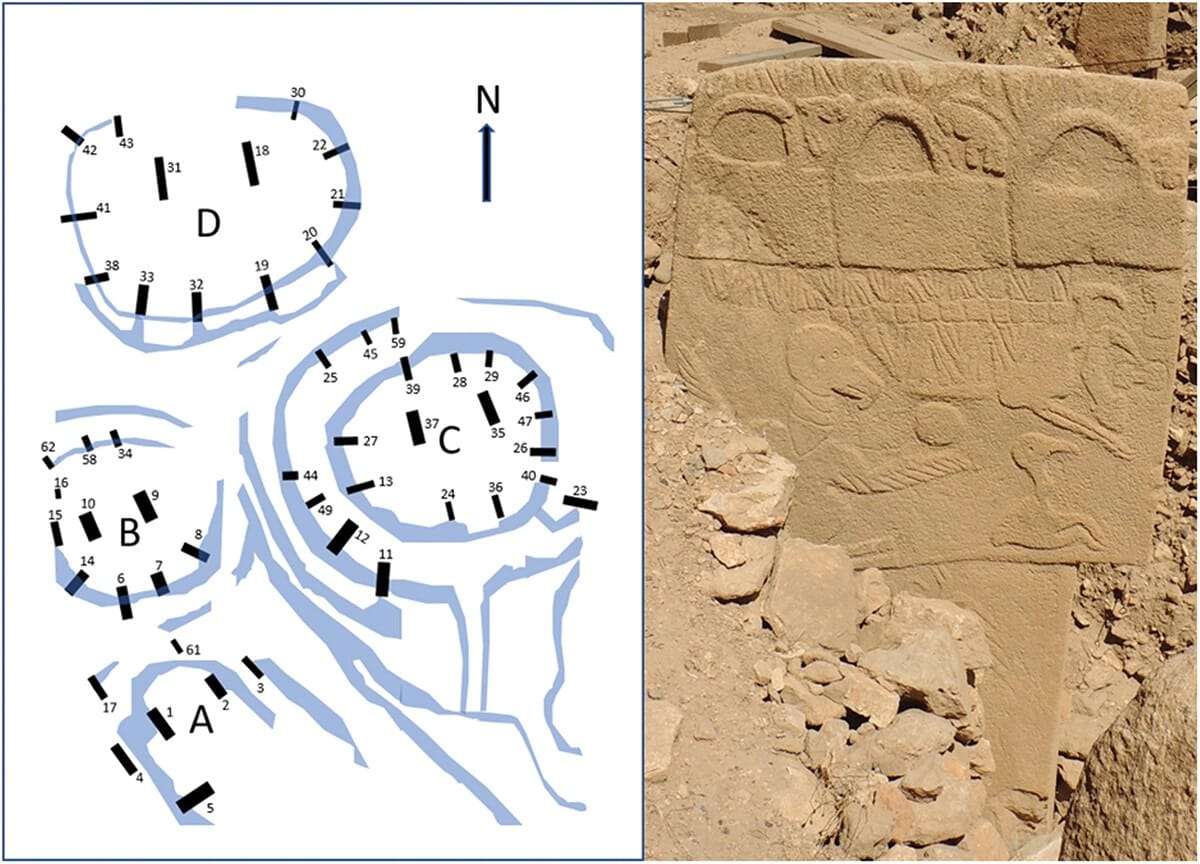
The latest research, detailed in Time and Mind, was conducted by a team from the University of Edinburgh led by Martin Sweatman. Their study focused on intricate “V” shaped carvings on the pillars, interpreting them as symbols representing individual days. Remarkably, one pillar seems to tally 365 marks, aligning closely with the length of the solar year.

The Sky’s Influence and a Catastrophic Comet Event
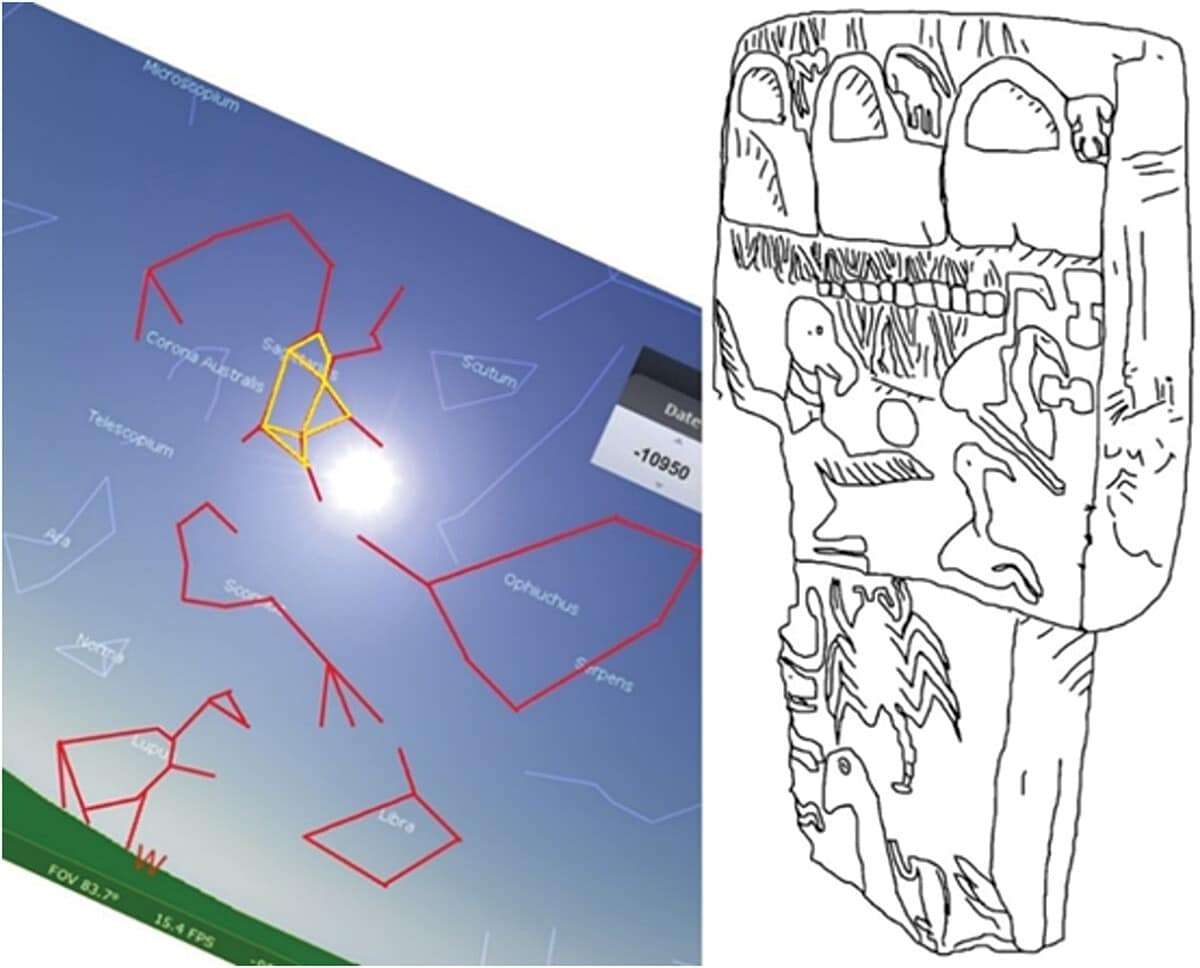
The researchers also detected references to prominent astronomical phenomena, such as the summer solstice. Sweatman highlights a specific “V” motif placed on a bird-like figure’s necklace that correlates to a constellation symbolically connected to this solar event.
These details imply that the Göbekli Tepe creators possessed a profound knowledge of both solar and lunar rhythms, likely influenced by a devastating comet impact around 10,850 BC. This event is thought to have initiated a brief ice age, profoundly altering Earth’s environment.
Sweatman notes, “It appears the inhabitants of Göbekli Tepe were keen observers of the sky,” a notion supported by the significant climatic upheavals they faced. The comet strike may have inspired emerging spiritual beliefs and the shift towards early agriculture as populations adapted to colder conditions.
Extending Humanity’s Astronomical Heritage
The discoveries at Göbekli Tepe broaden our perspective on ancient stargazing knowledge. The carvings not only map solar and lunar cycles but seem to illustrate star movements and meteor showers. One pillar is believed to depict the Taurid meteor stream, suspected of producing the comet that struck Earth.
This awareness of meteor activity predates the achievements of Hipparchus, the Greek astronomer who, in 150 BC, identified Earth’s axial wobble. These findings push back the timeline of celestial observation and suggest that Göbekli Tepe’s builders had a sophisticated grasp of cosmic patterns well before formal astronomy and writing systems emerged.
Such early expertise hints that these ancient people may have understood complex celestial mechanics, laying groundwork for future scientific development.
Göbekli Tepe’s Role in Early Civilization
Situated within the Fertile Crescent, a cradle of civilization often linked to the birth of agriculture, Göbekli Tepe features elaborate enclosures embellished with symbolic artwork. The site likely served as a religious and social hub, fostering community bonds long before farming became widespread.
Experts now believe the comet event and subsequent environmental changes significantly influenced the emergence of symbolic expression and societal organization, marking crucial steps toward the Neolithic Revolution.
Tracking celestial patterns at Göbekli Tepe may represent the earliest attempts at record-keeping and communication systems. Sweatman suggests this could be seen as “the first steps toward the development of writing,” highlighting a transformative era when humanity linked time measurement with spirituality and social structure.
Understanding solar, lunar, and stellar cycles enabled ancient humans to create calendars and cosmologies that profoundly influenced cultures for thousands of years.
- Categories:
- News







0 comments
Sign in to Comment