
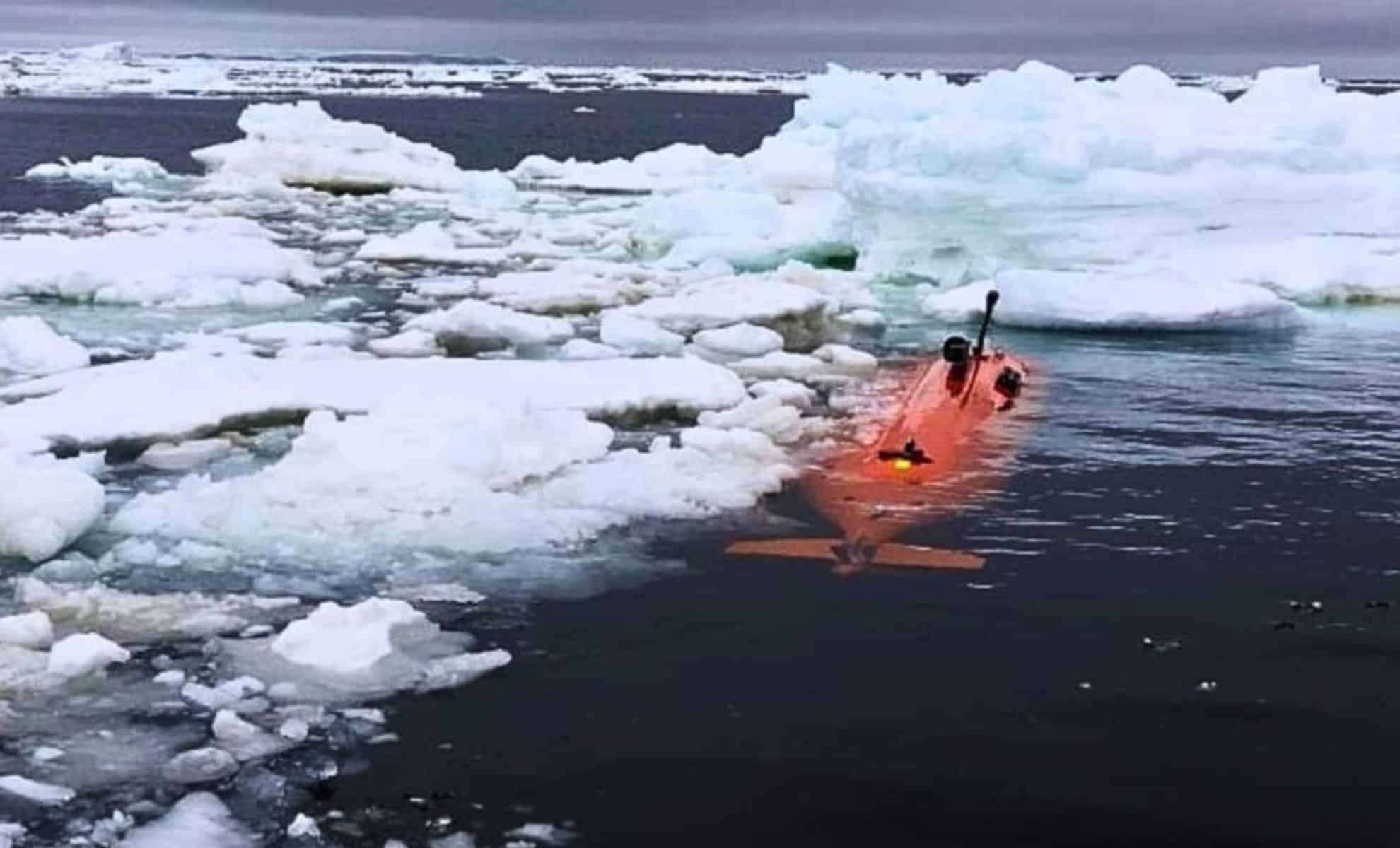
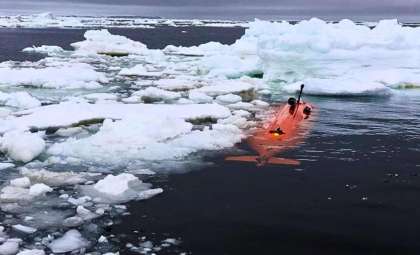
A research submarine exploring beneath the Antarctic ice sheet has unexpectedly vanished after detecting what it termed as concealed formations under the icy surface. This disappearance comes amid groundbreaking scientific revelations on the dynamics of Antarctic glacier melt, challenging current predictions on sea-level changes.
Disappearance Below the Antarctic Ice
The lost submarine was deployed to investigate subglacial geological features when it transmitted anomalous data indicating the presence of hidden voids or tunnels. Communication ceased soon after, leaving the cause a mystery. This event has sparked a global mix of curiosity and scientific urgency about the concealed environments beneath Antarctica’s immense ice cover.
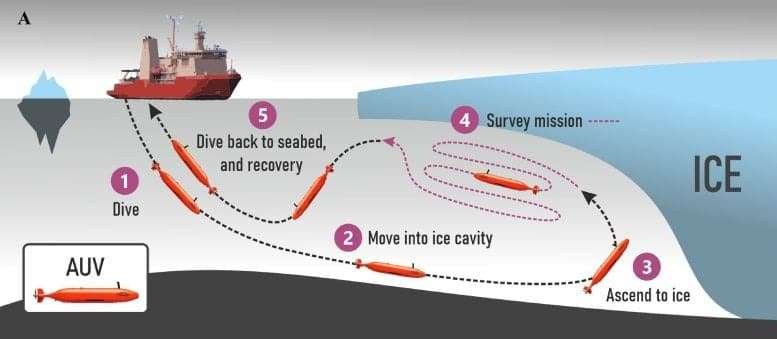
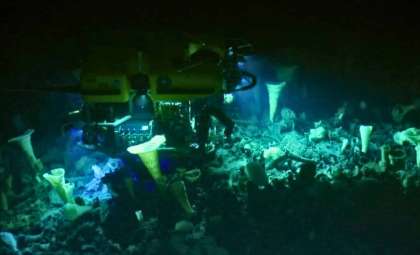
Scientists have long acknowledged that beneath Antarctica’s frozen exterior lies a complex network of rivers, caverns, and rock formations. These hidden features go beyond scientific intrigue—they are critical to understanding the mechanisms driving the accelerated melting of Antarctic ice.

Insights From the Dotson Ice Shelf
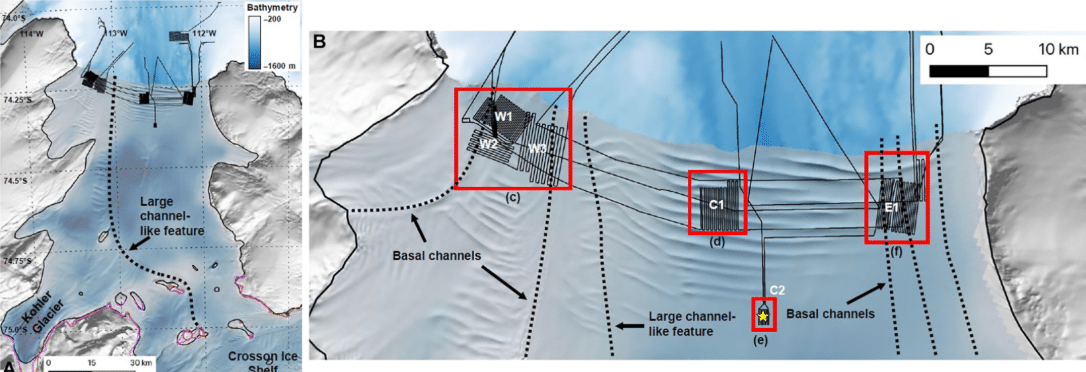
Recent peer-reviewed studies enhance our grasp of subsurface ice shelf changes. A report in Science Advances reveals that the Dotson Ice Shelf in West Antarctica is rapidly thinning, influenced by a network of underwater cavities and channels.
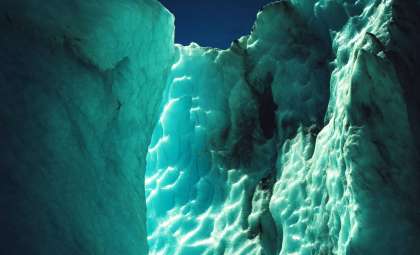
The research uncovered that melting is especially intense within two sizable cavities eroded at the ice shelf’s base, formed by warm water intrusions from the Circumpolar Deep Water. These cavities connect through channels that effectively transfer heat beneath the shelf, intensifying the melt process.
Combining satellite altimetry with oceanographic data, scientists estimate that Dotson has lost close to 390 gigatons of ice over the last twenty years. This significant depletion undermines the shelf’s ability to support inland glaciers, increasing their flow rates into the ocean.
Lead author Dr. Tiago Segabinazzi Dotto noted, “Instead of melting occurring uniformly, we observe concentrated erosion along specific channels and sub-ice cavities.” He emphasized that this pattern complicates forecasts and could mean existing models downplay the speed of Antarctic ice deterioration.
Reevaluating Glacier Melting Processes
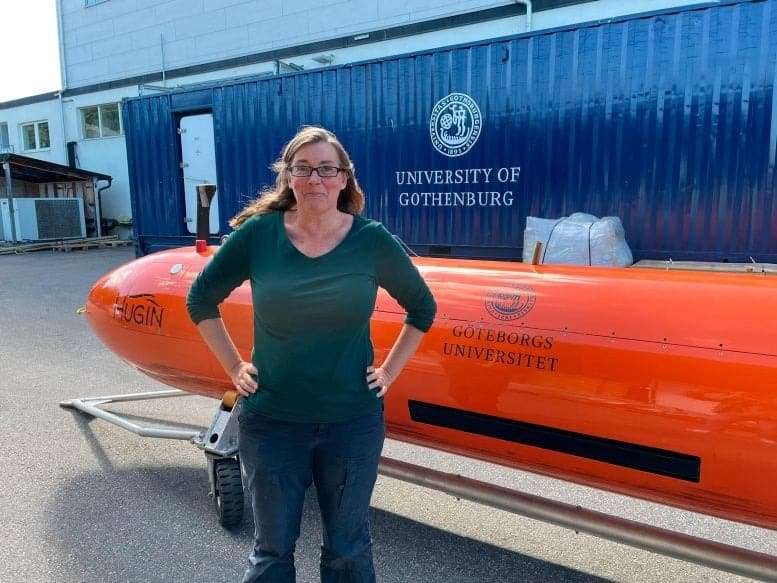
This research complements findings from the University of Gothenburg, which stress that Antarctic ice reduction is highly variable. Their work shows ice shelves degrade through dynamic and localized interactions, with warm water currents exploiting vulnerabilities to destabilize large ice sections.
This nuanced vulnerability challenges decades-old assumptions that ice shelf thinning happens evenly. Instead, rapid erosion hotspots could dictate the stability or disintegration of vast ice systems.
The implications are substantial. Should the cavities beneath Dotson expand, melting could accelerate, potentially setting off a cascade of glacier retreats and contributing notably to global sea-level rise. “These processes might shape sea-level trajectories for generations,” explained Professor Anna Wåhlin of the University of Gothenburg in a recent commentary.
- Categories:
- News

0 comments
Sign in to Comment