
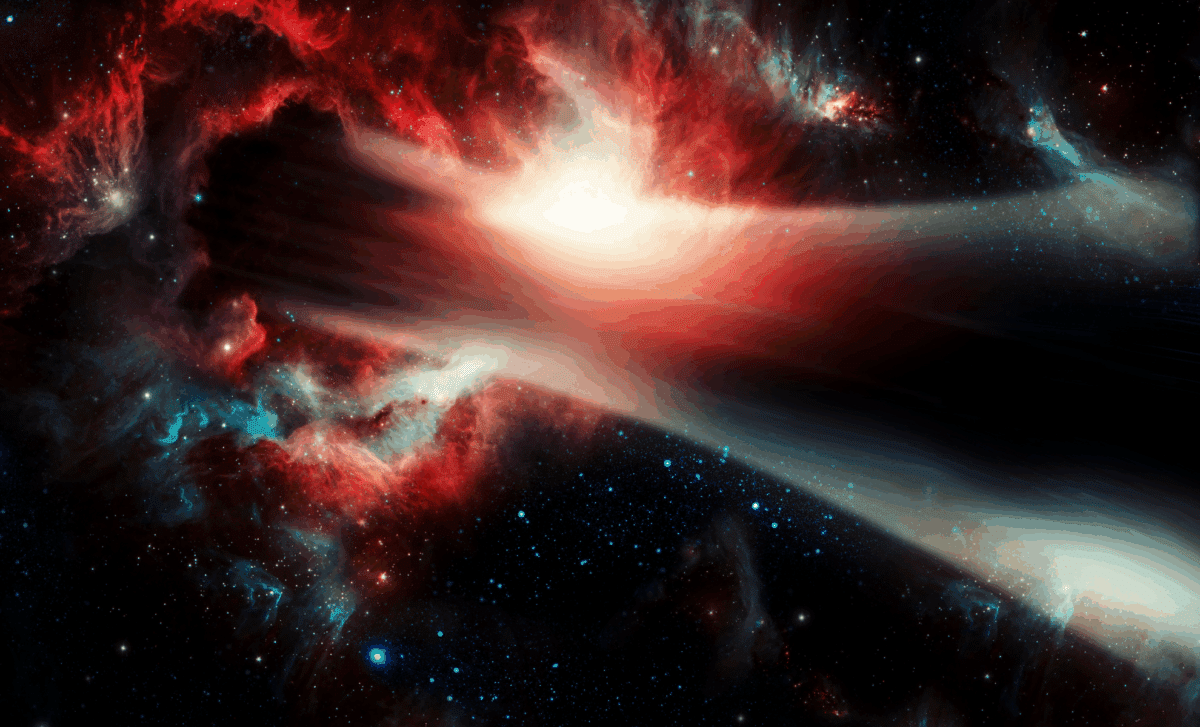
Previously considered isolated within the expanse of space, our solar system is now known to be part of an extraordinary “cosmic passage” connecting it to far-off stars. Featured in Astronomy & Astrophysics, the latest research uncovers a distinctive network of interstellar corridors, sculpted by ancient supernova explosions and cosmic forces. These findings are changing how scientists perceive our galactic environment and the fabric of the universe itself.
Exploring the Local Hot Bubble: Our Cosmic Surroundings
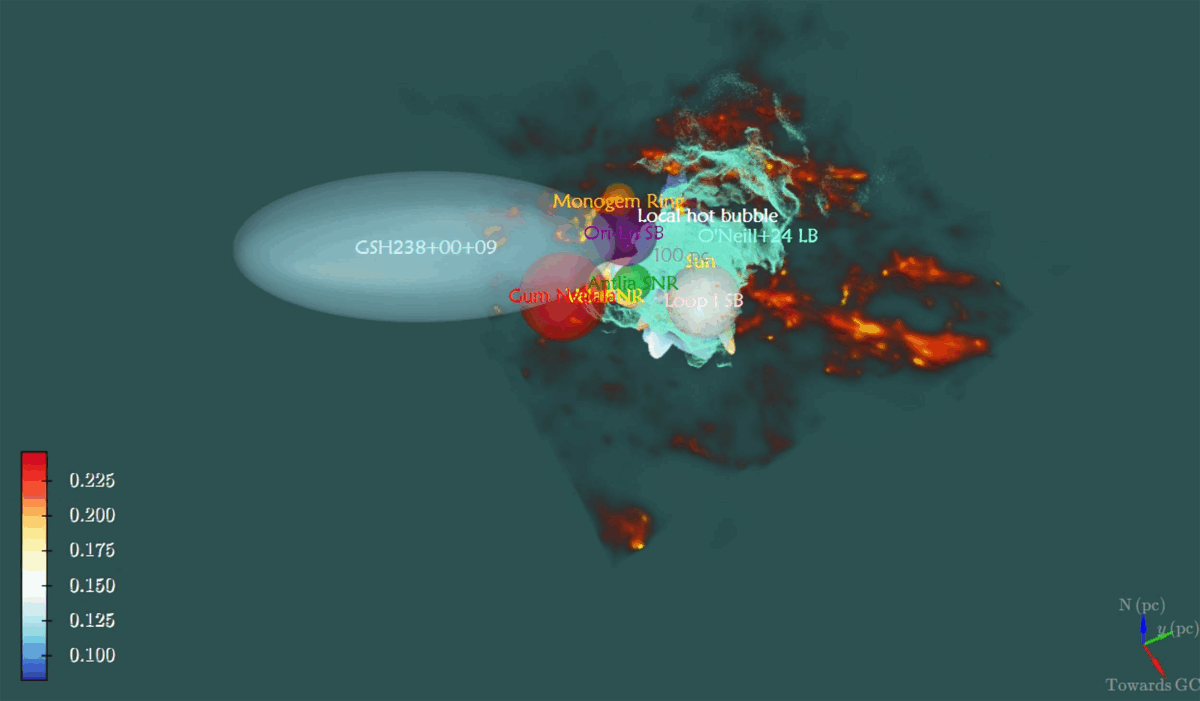
Central to this breakthrough is the Local Hot Bubble (LHB), a vast space enveloping our solar neighborhood. Rather than being void, this region contains a rarefied, extremely hot plasma formed from the remnants of ancient supernovae. These stellar cataclysms energized the surrounding gases, creating a roughly 300 light-year wide low-density zone.
Researchers at the Max Planck Institute have meticulously charted this area, exposing its intricate internal patterns. Their work reveals our solar system as residing inside this unusual plasma bubble, where fluctuations in temperature and plasma streams shape the environment. According to Dr. L. L. Sala, the lead researcher, the bubble displays a “north-south dichotomy at high latitudes,” indicating varied plasma density and thermal conditions across different sectors.

Further insights came from the eRosita X-ray telescope, which has scanned the sky with unprecedented precision. Its data confirm that our solar system inhabits a lively and interconnected cosmic neighborhood, contradicting the notion of its isolation.
Revealing the Interstellar Tunnel
A striking highlight of the investigation is the discovery of an “interstellar tunnel”—a channel linking our solar system with the Centaurus constellation, a prominent region of the Milky Way. Comprised of hot, sparse plasma, this passage is a mixture of gases and particles shaped by historical stellar phenomena.
Scientists propose that this tunnel is part of a vast cosmic network connecting multiple star systems and galactic sectors. These structures emerged as relics of supernova explosions that filled the region with energized gas, which over time evolved into the interconnected formations now observed. Dr. Sala explains that stellar winds from young stars likely carved out these “tunnels,” creating cosmic pathways linking various star birthplaces.
This breakthrough challenges the traditional view of the interstellar void as empty. Instead, it reveals a complex web of plasma, dust, and other matter continuously molded by stellar forces. These tunnels provide crucial insight into the relationships and transformations of interstellar materials, influencing phenomena from stellar winds to cosmic radiation.
Supernovae: Architects of the Galactic Landscape
Understanding these cosmic tunnels requires recognizing the pivotal role of supernova explosions. When stars end their life cycles, they unleash immense energy, sending shockwaves that displace and heat the surrounding medium, carving expansive plasma bubbles.
The Local Hot Bubble formed millions of years ago through such supernova events, resulting in the low-density environment observed today. The interplay of supernova remnants, stellar winds, and other forces has shaped this region’s complex architecture. The published study in Astronomy & Astrophysics highlights how these explosive episodes not only built the Local Hot Bubble but also generated the interstellar tunnels linking us to far-off stars.
Supernovae stand as the cosmic engineers behind these interstellar routes, molding the gas and dust that fills the spaces between stars. Their influence extends across many astronomical processes, from star development to the propagation of cosmic particles.
- Categories:
- News


0 comments
Sign in to Comment