
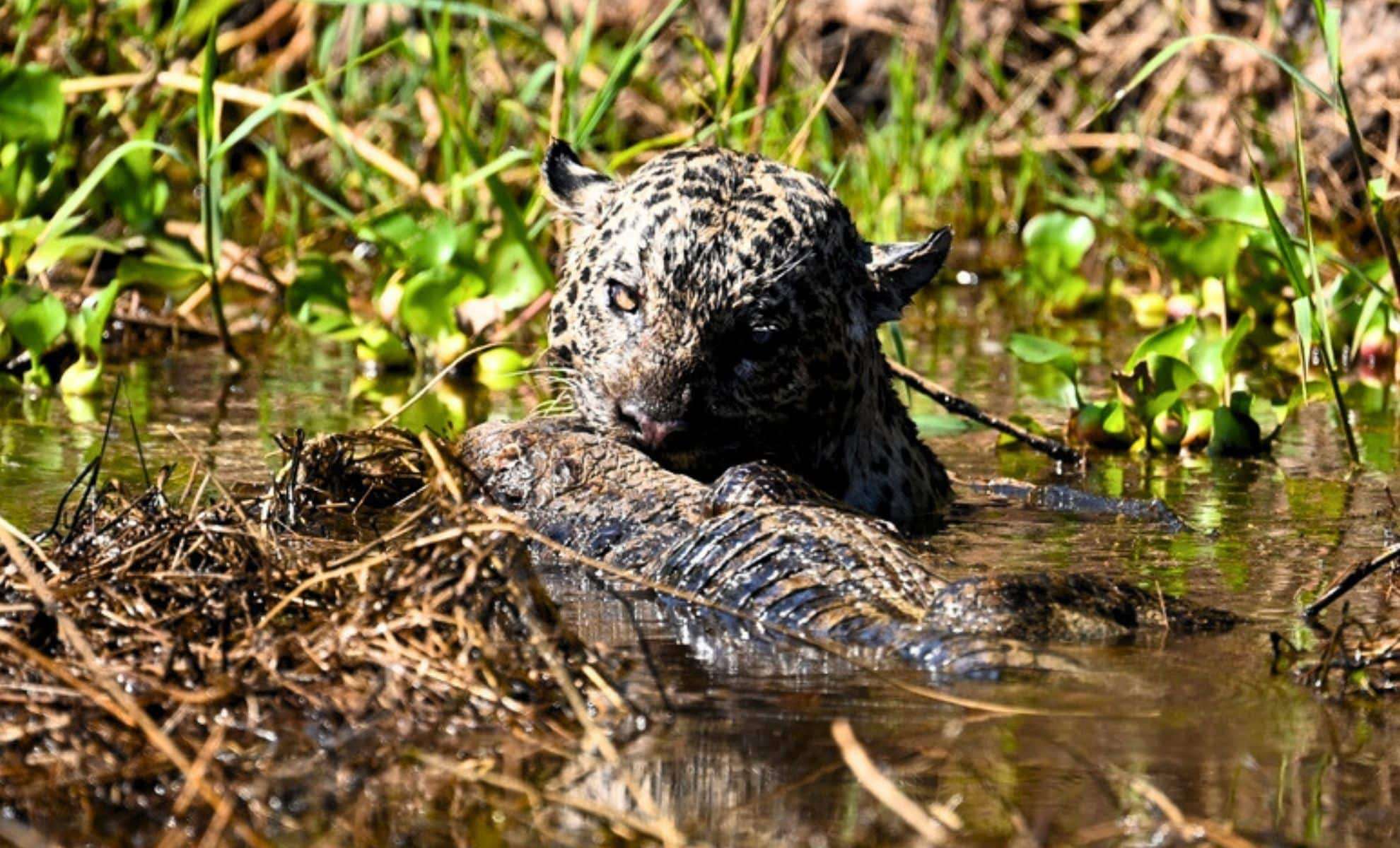
Located within Brazil’s expansive Pantanal wetlands, the largest tropical wetland worldwide and a sanctuary for the densest population of wild jaguars, conservationists are raising concerns. A creature once primarily endangered by hunting is now vulnerable due to an unexpected factor: excessive human attention.
For decades, the Pantanal’s jaguars (Panthera onca) struggled against habitat degradation and pressures from cattle ranching. However, the past 20 years have seen the area evolve into a magnet for ecotourism, attracting thousands eager to encounter these elusive cats. According to Onçafari, a Brazilian conservation and tourism organization, annual jaguar encounters have surged to more than 1,000 sightings.
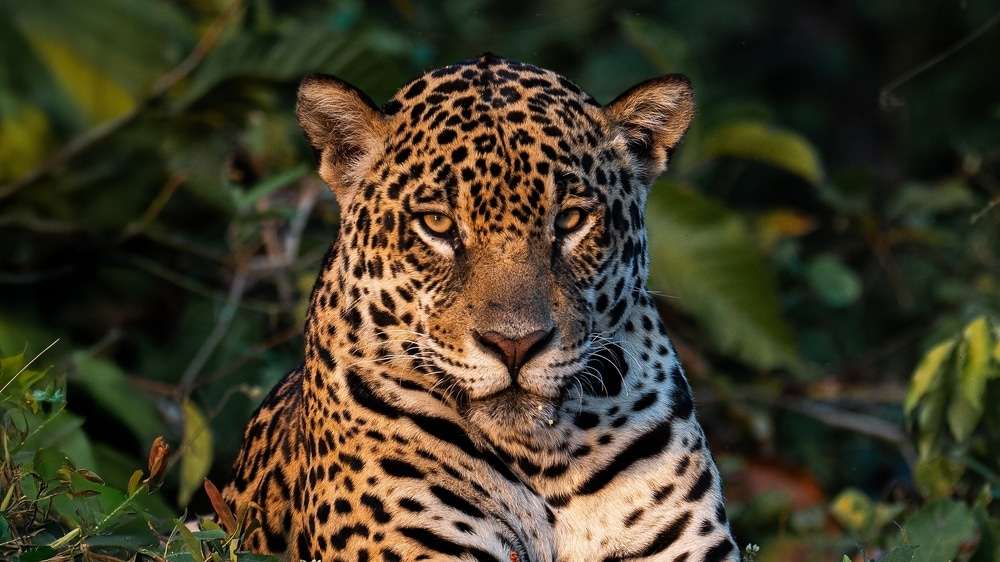
This growth is often celebrated as an example of sustainable, wildlife-centered economic progress, where ranchers have swapped firearms for telescopes and guides for binoculars. Yet, scientists and local stakeholders now caution that this admirable transformation may be eroding from within.

“The Pantanal risks becoming a victim of its own success,” says Dr. Fernando Tortato, coordinator at Panthera, a global wildcat conservation NGO.
Tourist Overcrowding Disrupts Jaguar Behavior Along the Rivers
During peak periods, especially in spots like Porto Jofre, up to 30 boats may rush to a single jaguar following a sighting broadcast via radio. While visually impressive, this creates an environment where jaguars face overcrowding, blocked escape routes, delayed hunting activities, and loss of solitude.
“We’ve had reports of jaguars failing to mate or give up hunts because of boat traffic,” says anthropologist Dr. Rafael Chiaravalloti of University College London, co-author of a 2024 study on sustainable tourism in the Pantanal published in Scientific Reports.
As jaguars become increasingly accustomed to human presence, numbers of animals displaying comfort around people have climbed significantly—from 29 in 2013 to 130 in 2023, based on the Jaguar ID Project. Although this seems like a positive conservation outcome on the surface, it carries complex risks.
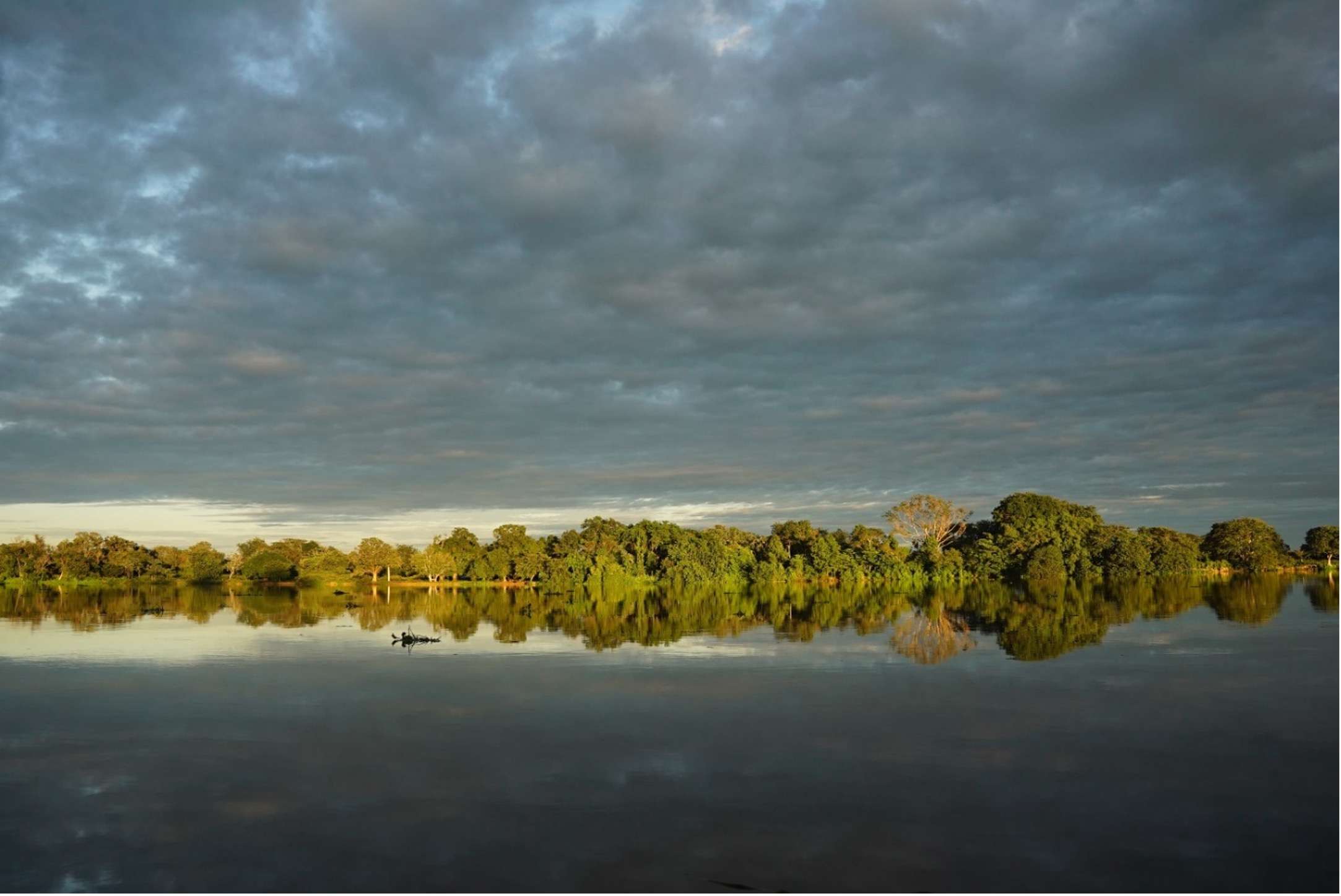
With their natural wariness diminished, jaguars are increasingly approaching rural properties, targeting dogs and livestock. In April 2025, an unusual incident involved a jaguar killing a ranch worker, a rare but striking event that intensified local concerns and highlighted underlying ecological pressures.
Balancing Economic Gains and Jaguar Welfare
The Pantanal’s local economy is increasingly reliant on its status as a premier jaguar-watching locale. Lodges fill months ahead, and experienced guides such as Oscar de Morais, who has been working there for over 20 years, can spot up to 20 jaguars during a single visit in the dry season.
However, mounting expectations to maintain these experiences are fostering a troubling loop. Declining visitor satisfaction due to overcrowding encourages operators to reduce prices and boost tourist numbers, placing greater strain on the natural environment and its inhabitants.
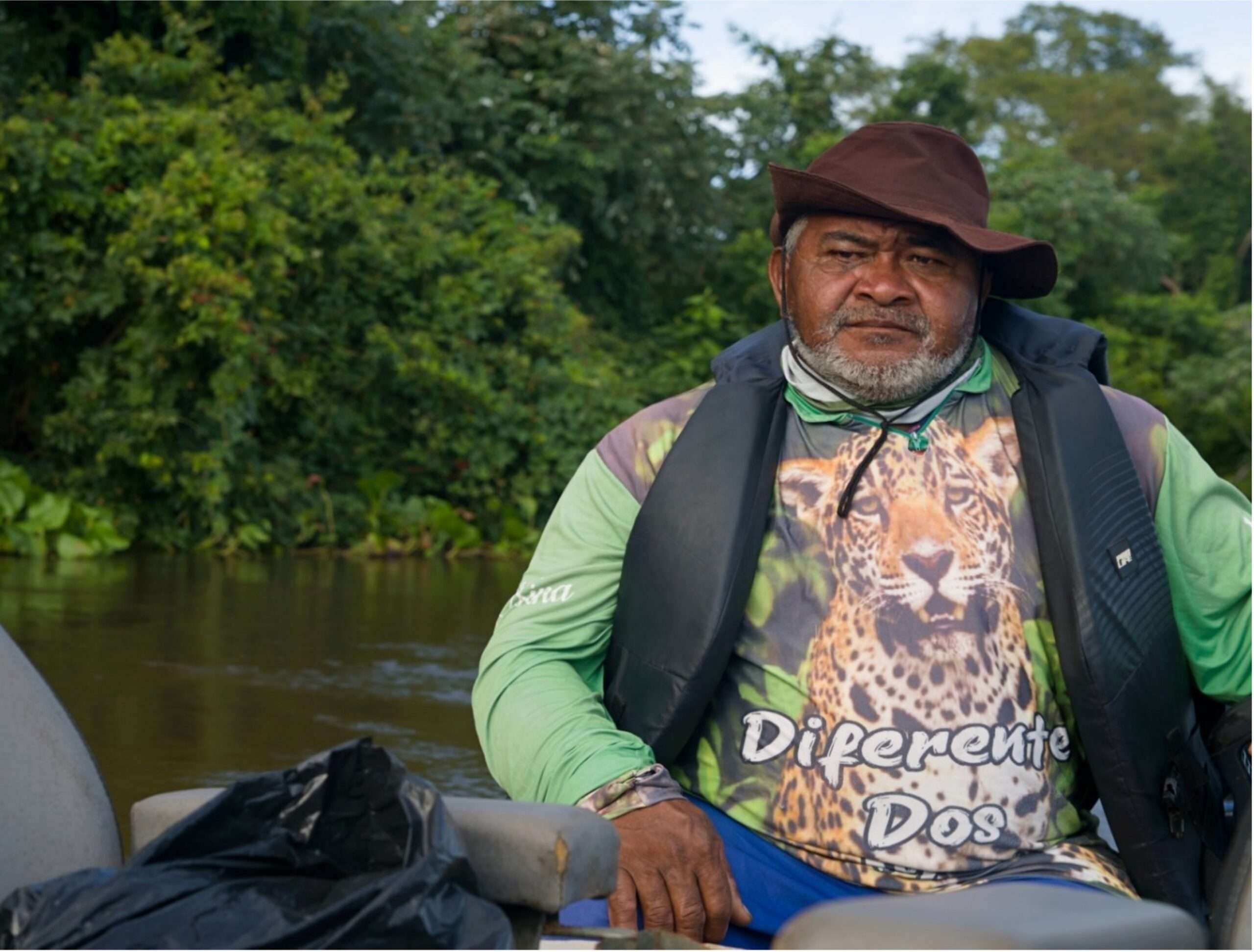
To counteract these impacts, organizations like Onçafari have introduced tighter guidelines. Their policies restrict jaguar viewing to no more than four vehicles simultaneously and operate exclusively on private lands where they can enforce conservation measures. They also avoid direct contact and refrain from baiting jaguars, unlike some less regulated operators aiming for guaranteed sightings.
“If people don’t get the experience they paid for, they’ll stop coming,” warns Dr. Chiaravalloti. “But by then, the damage may already be done.”
Potential Fixes Are Available—Urgency Is Key
As debates continue over infrastructure development like paving the Transpantaneira highway or erecting a bridge across the São Lourenço River, experts emphasize that overtourism should be recognized as an immediate ecological threat, not a distant possibility.
Suggested interventions include enforcing visitor limits especially during the dry season when jaguar visibility peaks, and controlling how guides disseminate location data to prevent large congregations, known as the “flotilla effect.”
Nevertheless, ensuring compliance proves challenging. The strong camaraderie among Pantanal guides often discourages secrecy about sightings. As Dr. Chiaravalloti remarks, while collaboration is important, unchecked sharing can jeopardize sustainable tourism.
- Categories:
- News





0 comments
Sign in to Comment