
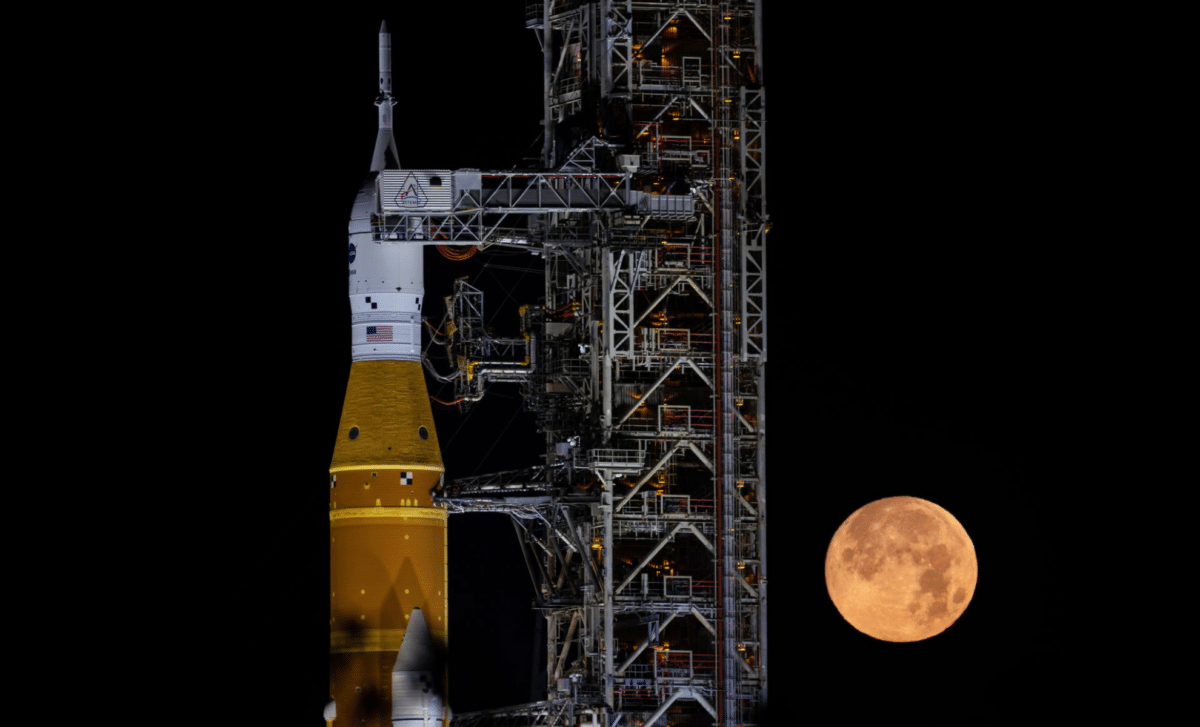
NASA's Artemis II mission, originally set for a 2026 launch, might experience delays triggered by emerging research on intense solar flares. A recent paper in the Journal of Geophysical Research: Space Physics highlights increased dangers linked to launching during periods of heightened solar activity. These intense solar bursts threaten astronaut safety and can impair critical space-based systems. Victor M. Velasco Herrera and colleagues at the National Autonomous University of Mexico have pioneered a forecasting technique that enhances prediction accuracy for solar flares, recommending a possible postponement of the mission to ensure crew safety. This article delves into the research and its broader impact on space ventures and terrestrial technologies.
Solar Superflares: A Potent Hazard for Space Endeavors
Solar superflares rank among the most intense disturbances within our solar system. These sudden, powerful emissions, predominantly in X-ray wavelengths, can trigger severe geomagnetic storms disrupting satellites, GPS, and imperil astronauts. While scientists have recognized these events for decades, accurately predicting their occurrence remains elusive. As Velasco Herrera explains, “Traditional solar forecasting struggles with these extreme events because they happen so quickly and unpredictably.” This unpredictability complicates mission planning for agencies like NASA, especially for trips like the Artemis II journey that venture beyond Earth's magnetic protection.
Advances in solar physics have now yielded a forecasting model with enhanced reliability. Drawing on five decades of solar data, Velasco Herrera's team identified cycling patterns tied to solar flare frequency. This model furnishes advance alerts about periods of increasing flare activity, providing essential warnings to space weather officials. Consequently, the threat posed by superflares is becoming more manageable through timely predictions.

The Importance of Timing for Artemis II
Currently targeted for an April 2026 launch, Artemis II's schedule might intersect with a phase of elevated solar activity, elevating risks for astronauts and equipment. Velasco Herrera notes, “Given how active the sun is right now, our forecasts suggest that delaying the launch until the end of 2026 may be a much safer decision.” During major solar flare events, crew members face heightened radiation exposure. The mission’s path, which takes astronauts outside Earth’s magnetic defenses, leaves them particularly susceptible to solar radiation hazards.
The research points out that from mid-2025 through mid-2026, solar activity, especially in the sun’s southern hemisphere, is expected to peak. This increase boosts radiation risk, posing serious challenges to astronaut health. A launch delay offers a chance to reduce this exposure and enhance mission safety with the improved predictive tools developed by Velasco Herrera’s team.
A Breakthrough in Solar Flare Prediction Transforming Space Safety
Velasco Herrera's group has introduced a new predictive model using 50 years of X-ray data from Geostationary Operational Environmental Satellites (GOES). The model detects two previously unknown solar cycles lasting approximately 1.7 and 7 years, linked to the accumulation of magnetic energy on the Sun’s surface that triggers superflares. “Our method gives space weather operators and satellite managers one to two years of advance warning about when conditions are most dangerous,” Velasco Herrera explains.
This extended lead time enables space agencies and satellite operators to implement precautionary steps—such as adjusting satellite orbits, powering down delicate instruments, or postponing missions—to avoid the worst effects of solar storms. This stride in forecasting offers expansive benefits for the continuity of space exploration and the safeguarding of Earth’s technological assets.
Consequences of Solar Flares on Earthly Systems
Beyond spaceflight, solar superflares can cause major disruptions here on Earth, affecting GPS accuracy, triggering power outages by damaging electrical grids, and interrupting communication networks. Velasco Herrera underscores, “This critical lead time allows them to prepare and protect communications systems, power grids, and astronaut safety.” Enhanced prediction capabilities help mitigate these risks by enabling timely protective measures for both orbital infrastructure and terrestrial technologies.
As society increasingly depends on satellite networks and global communication channels, refining solar flare forecasts is becoming essential. Although centered on space missions, these findings emphasize the vital need to shield Earth's technological frameworks from the destructive potential of solar storms.
- Categories:
- News









0 comments
Sign in to Comment