
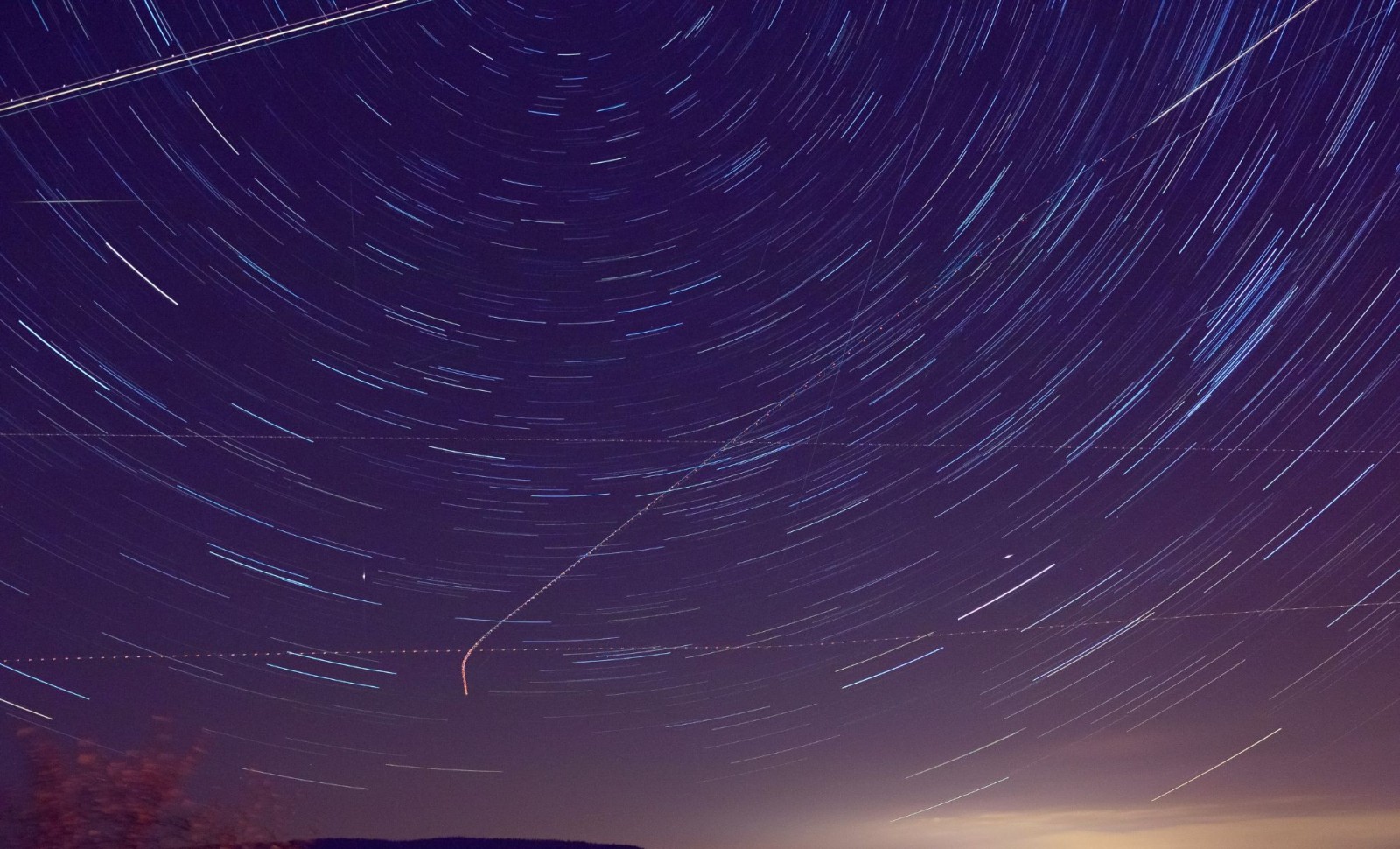
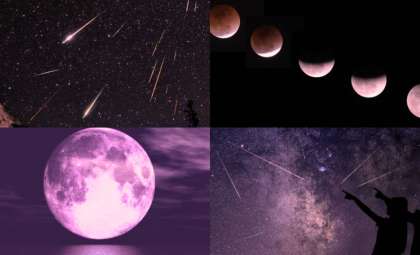
In the second week of December 2025, sky enthusiasts can look forward to one of the year's most impressive meteor showers: the Geminid Meteor Shower. Reaching its peak between December 13 and 14, the Geminids can deliver as many as 150 meteors per hour, showcasing slow-moving, vividly colored trails that dazzle observers. Alongside this spectacular shower, other notable celestial sights will be visible throughout December’s nighttime sky.
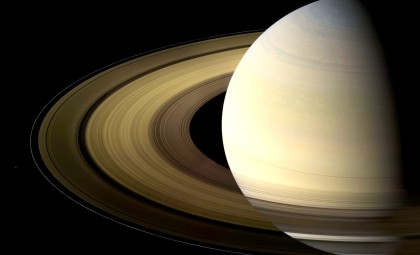
During this period, the prominent Orion constellation will dominate the evening sky, with Saturn shining brightly toward the southern horizon, and the waning gibbous moon making a close approach to Regulus, Leo’s brightest star.
Close Encounter: The Moon Near Regulus
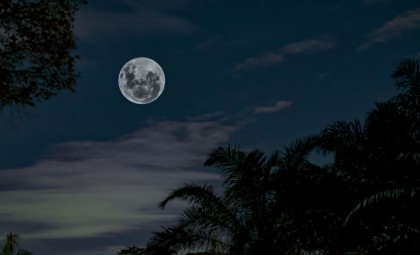
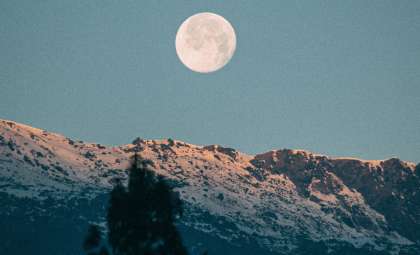
On December 9, the waning gibbous moon will rise in close proximity to Regulus, the luminous centerpiece of the Leo constellation. The moon will appear with about 66% illumination, and observers across much of North America will have a clear view of this conjunction.

Observers in some regions of Canada may witness the moon temporarily obscuring Regulus in an occultation event. Regulus itself is part of a quadruple star system, located at Leo’s core, and is particularly intriguing due to its complex gravitational interactions involving four stars orbiting one another—uncommon compared to typical binary star arrangements.
Moon Enters Last Quarter Phase
According to TheSkyLive, by December 11, the Moon will reach its last quarter phase, rising around midnight. This timing creates excellent conditions for star viewing in the earlier evening hours when the sky remains dark and the lunar glow minimal.
This phase provides a welcome respite from intense moonlight, allowing observers to more easily spot faint stars, planets, and constellations such as Orion, which remains prominent in the evening sky. Reduced lunar brightness enhances the visibility of distant celestial objects.
Don't Miss the Geminid Meteor Shower Peak
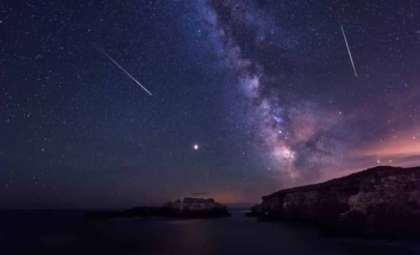
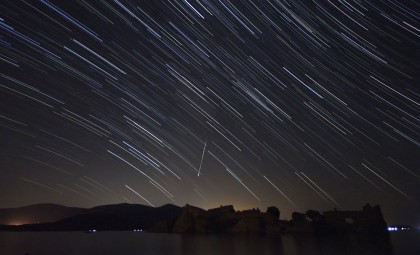
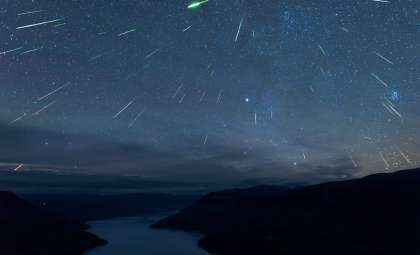
The Geminid Meteor Shower will reach its zenith over the weekend of December 13-14, producing one of the year’s most remarkable displays. As reported by Forbes, the meteor shower can yield as many as 150 meteors per hour, characterized by their steady pace and brilliant colors—including shades of yellow, green, and blue. The meteors originate near the stars Castor and Pollux within Gemini but may appear throughout the sky.
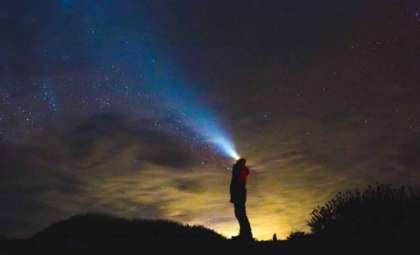
For the best experience, spectators are encouraged to find dark locations away from urban light pollution. Optimal viewing hours fall between 10 p.m. and 2 a.m., when the sky reaches its darkest. The waning crescent moon, rising near 2 a.m., ensures minimal moonlight interference during most of the peak period. Observers should prepare by bringing blankets or reclining seats, dressing warmly, and allowing their eyes to adapt for 20–30 minutes to fully appreciate the spectacle.
- Categories:
- Astronomy


0 comments
Sign in to Comment