
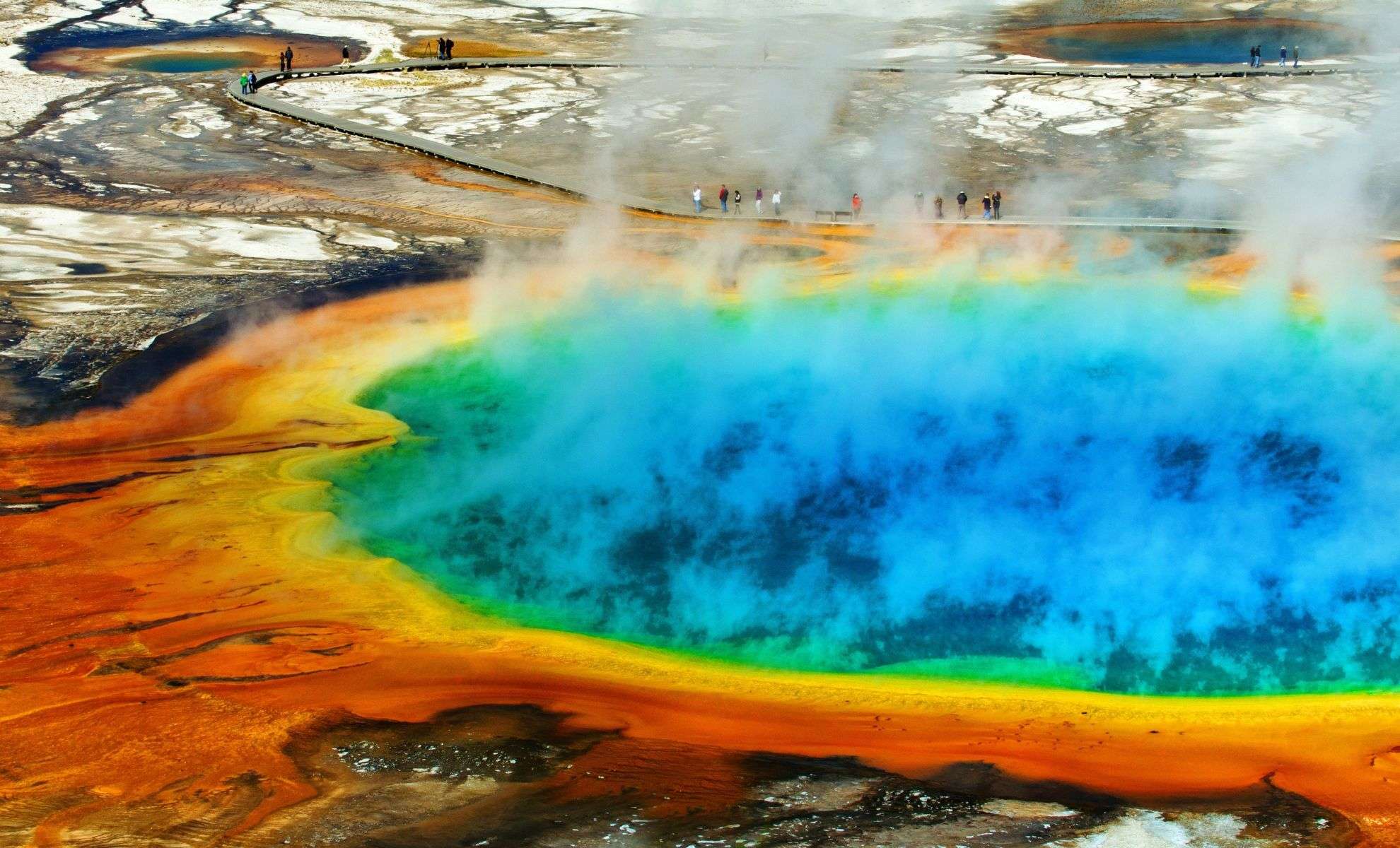
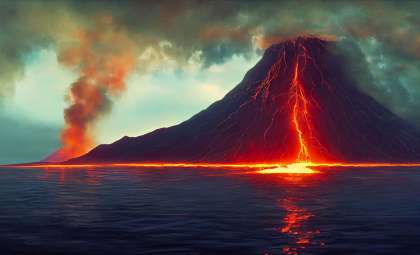
Researchers have uncovered a magma region nearly 2.4 miles below Yellowstone National Park's surface that may play a critical role in averting a major volcanic eruption. By employing state-of-the-art seismic imaging combined with sophisticated computer models, scientists determined this magma cap traps intense heat and pressure while enabling gases to escape in a controlled manner, thus minimizing explosion risk.
The findings, published on April 16 in the journal Nature, provide new insights into one of Earth's most active volcanic hotspots and could transform how experts monitor Yellowstone’s behavior.
The Function of the Magma Cap
Yellowstone National Park has attracted scientific interest for many years because it sits on top of a supervolcano capable of powerful eruptions. However, despite extensive research, critical information about its underlying magma reservoir remained elusive until now. A new investigation led by teams from Rice University and the University of Texas at Dallas identified a vital component: a magma cap that acts like a venting mechanism. This discovery sheds light on how the volcano maintains stability and lowers the chances of an abrupt explosive event.

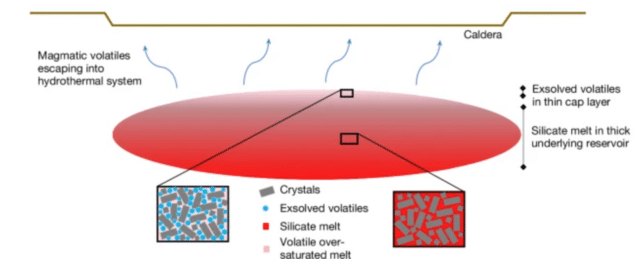
The research revealed that this magma cap operates as a “lid” trapping heat and pressure beneath Yellowstone. Composed of silicate melts and supercritical water bubbles embedded within porous rock, this structure has existed for millions of years without triggering a significant eruption. Using advanced seismic techniques, scientists pinpointed its depth and shape, refining earlier estimates that varied between 1.8 and 5 miles to a much more precise 2.4 miles.
Seismic imaging was crucial to this breakthrough. The researchers deployed a 53,000-pound vibroseis truck to generate controlled seismic waves, enabling a detailed scan of Yellowstone’s subterranean magma architecture. This approach revealed the magma's layout and demonstrated how the cap functions as a natural pressure regulator.
The Role of Gas in Stabilizing the Volcano
A key insight involves how the magma cap manages gas emissions. As magma ascends, it releases gases like carbon dioxide and water vapor, which can build pressure and potentially provoke eruptions if not properly vented. Brandon Schmandt, a leading researcher, explains that Yellowstone mitigates this by allowing these gases to escape gradually through the permeable rock. He describes the process as “steady breathing,” a steady release that prevents dangerous pressure buildup.
This natural outgassing acts like a safety valve, maintaining system stability even though the magma remains active. Understanding this mechanism explains how Yellowstone maintains volcanic activity without leading to sudden catastrophic eruptions.
Enhanced Monitoring of Yellowstone’s Volcanic Activity
The identification of the magma cap introduces a valuable tool for monitoring Yellowstone’s volcanic system. Schmandt emphasizes:
“What we’ve found is that this reservoir hasn’t shut down – it’s been sitting there for a couple million years, but it’s still dynamic.”
Future efforts will focus on tracking gas emissions and detecting subtle changes in the magma to identify early indicators of unrest. This improved mapping of Yellowstone’s magma system allows scientists to better understand how pressure and gas flow interplay to keep the supervolcano stable, potentially enhancing eruption prediction models.
- Categories:
- News



0 comments
Sign in to Comment