

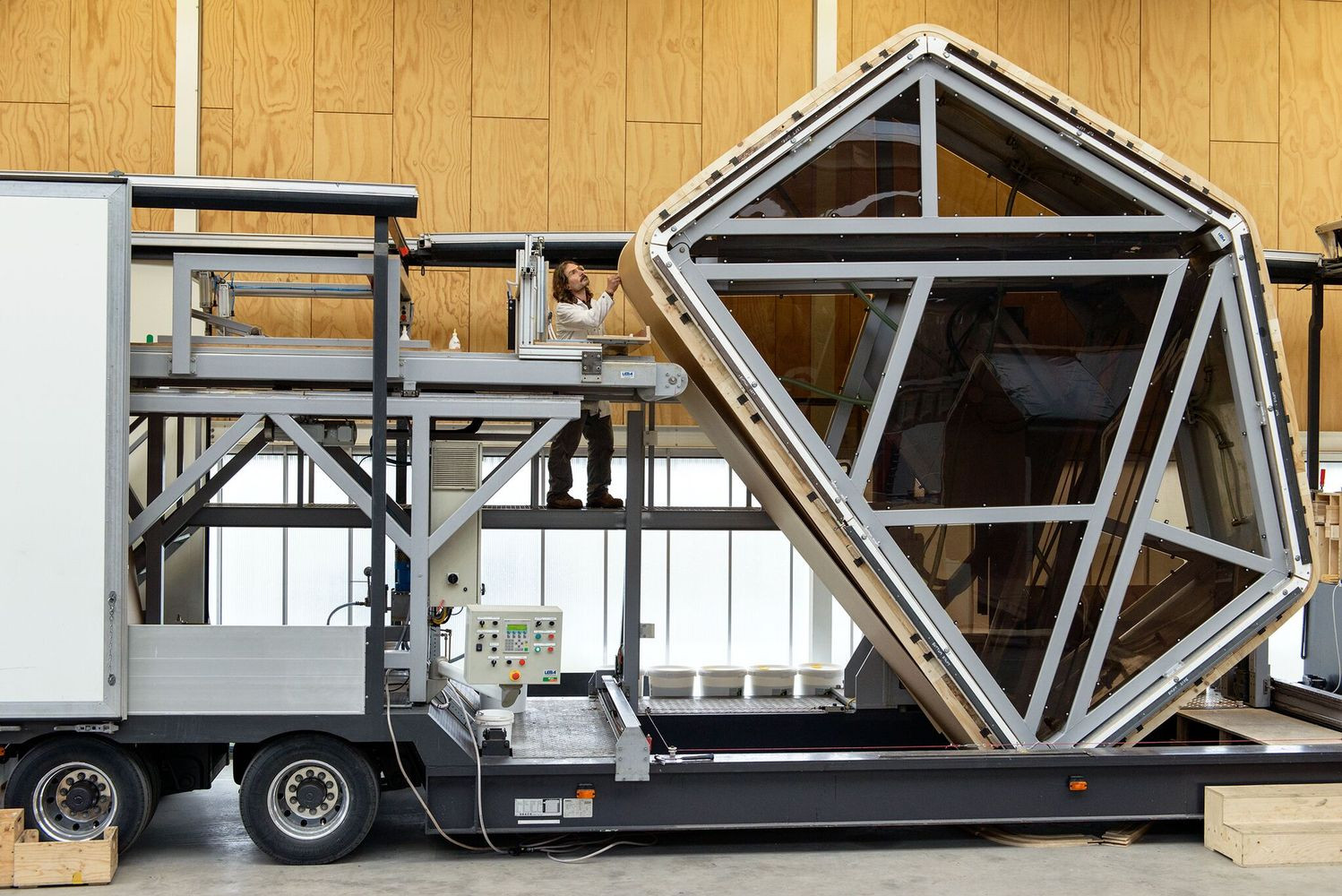
Traditional building sites often involve heavy machinery, piles of bricks, and labor stretching over weeks, all influenced by weather conditions. However, a facility in Amsterdam revolutionizes this approach by using cardboard rolls and a large rotating mold to produce fully equipped house sections ready for quick assembly on location.
Known as the Wikkelhouse, this creation by Dutch firm Fiction Factory has seen over 150 units delivered throughout Europe and even as far as Chile. Their official site describes it as a modular cardboard home that can function as a getaway cabin, guest space, workspace, or compact permanent residence.
Construction Technique Employs Cardboard Wrapping to Form a Strong Shell
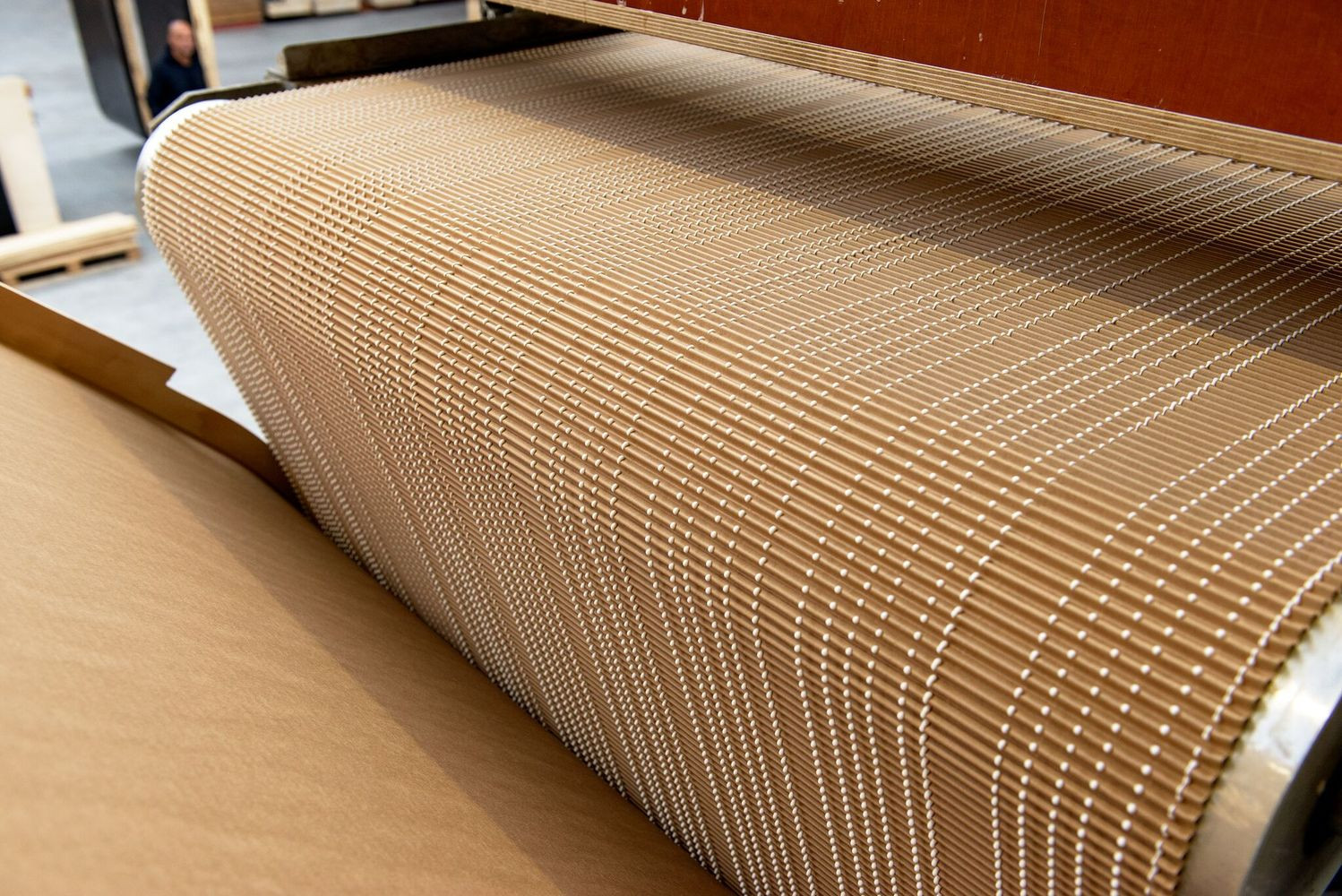
Drawing its name from the Dutch word wikkelen, meaning "to wrap," Fiction Factory begins with a mold shaped like a house that rotates steadily. A device then wraps 24 layers of premium cardboard around this frame, bonding each with an environmentally friendly adhesive. As covered by ArchDaily, this layering method creates the structural integrity necessary for load-bearing components despite the unconventional material.

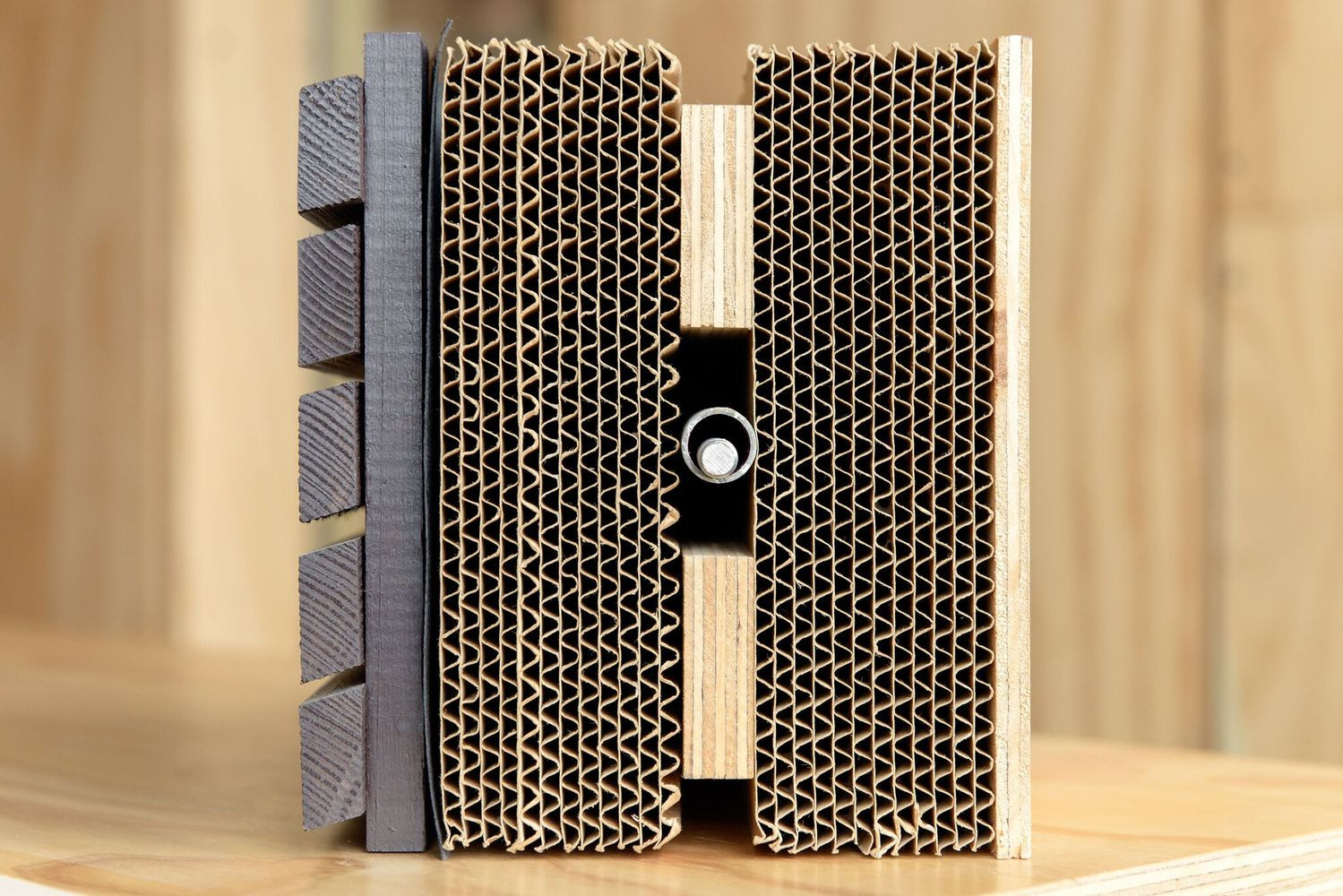
While a single cardboard sheet lacks strength, multiple tightly bonded layers establish a sturdy, self-supporting form. When all 24 layers are completed, they are enveloped in a waterproof membrane that protects the core from moisture damage. The interior and exterior sections are then clad with wood paneling, giving the final product the appearance of a traditional wooden cabin.
According to Fiction Factory, wood constitutes over 60 percent of the Wikkelhouse’s construction, factoring in both the outer cladding and internal components. For insulation, they employ flax fibers, a natural material that provides both thermal and soundproofing benefits. As reported by Global Construction Review, this design significantly reduces its environmental impact, with an ecological footprint three times smaller than conventional homes.
Each standard Wikkelhouse panel measures roughly 4.6 meters in length, 1.2 meters in width, and 3.5 meters tall, providing about five square meters of floor space per module. Weight estimates consistently fall between 500 and 600 kilograms, which is light enough to eliminate the need for a traditional foundation, a feature highlighted in all of Fiction Factory’s materials.
This lightweight design allows easy transport and relocation; the house can be disassembled, lifted, and placed elsewhere if necessary. Delivery and installation require just a flatbed truck and a small crane.
Customizable Modules Include Fully Equipped Kitchens and Bathrooms
The modular nature means owners can design and adapt their floor plans over time. Modules connect end to end, with more sections available to expand living space as desired. The manufacturer ensures that these connections are reversible, allowing for dynamic reconfiguration long after the initial setup. A recent article emphasizes this flexibility as a core principle of the design.
The base module is simply an empty room, yet Fiction Factory also offers a specialized Home-segment that condenses essential amenities into a compact 1.2-meter deep unit. This includes a kitchenette, shower, and toilet, converting the collection of modules into a complete living space.
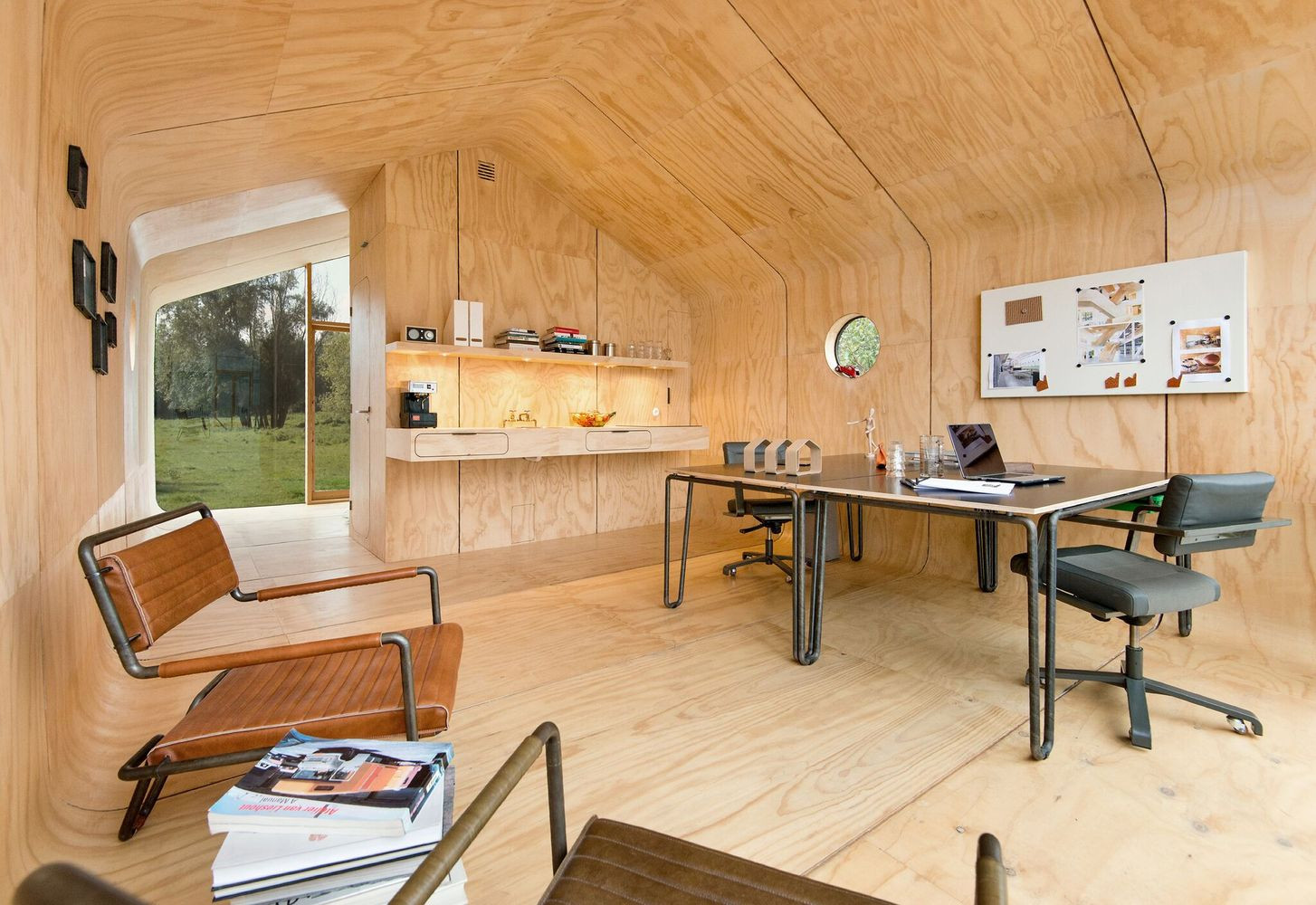
The company promotes customization options covering floor plans, window placements, and interior finishes. Its small footprint makes it apt for use cases ranging from vacation stays to permanent compact homes. Several units are offered for overnight stays via the Wikkelaway program, a rental initiative allowing potential buyers to experience living in a Wikkelhouse. These units operate in campsites, marinas, and holiday parks across the Netherlands, Belgium, and France.
Fast Onsite Assembly with Remaining Durability Considerations
All assembly steps occur at Fiction Factory’s controlled workshop in Amsterdam, enabling uninterrupted cardboard wrapping, gluing, membrane application, and finishing regardless of weather. Completed modules are then trucked to the final site.
Installation on location involves a small team connecting the prefabricated sections and sealing joints. The firm claims this assembly can be finished in just one day. This method eliminates wet trades, reduces construction debris, and minimizes the duration of active construction zones. However, the factory producing new modules generally requires a lead time of about seven months.
A primary concern for cardboard structures is their reaction to moisture. Fiction Factory assures that the waterproof membrane combined with the wood layer protects the cardboard core from rain and humidity. The company claims the houses have a lifespan spanning decades, while Global Construction Review projects a service duration of 50 years, though Fiction Factory uses more general terminology in its materials.
Potential buyers frequently question fire resistance and security, as reflected in public feedback. Specific data regarding fire ratings or burglary resistance are not provided. Furthermore, Fiction Factory does not explain how the core would be affected if internal plumbing in the Home-segment leaked, posing a risk of water penetrating the waterproof layer from within.
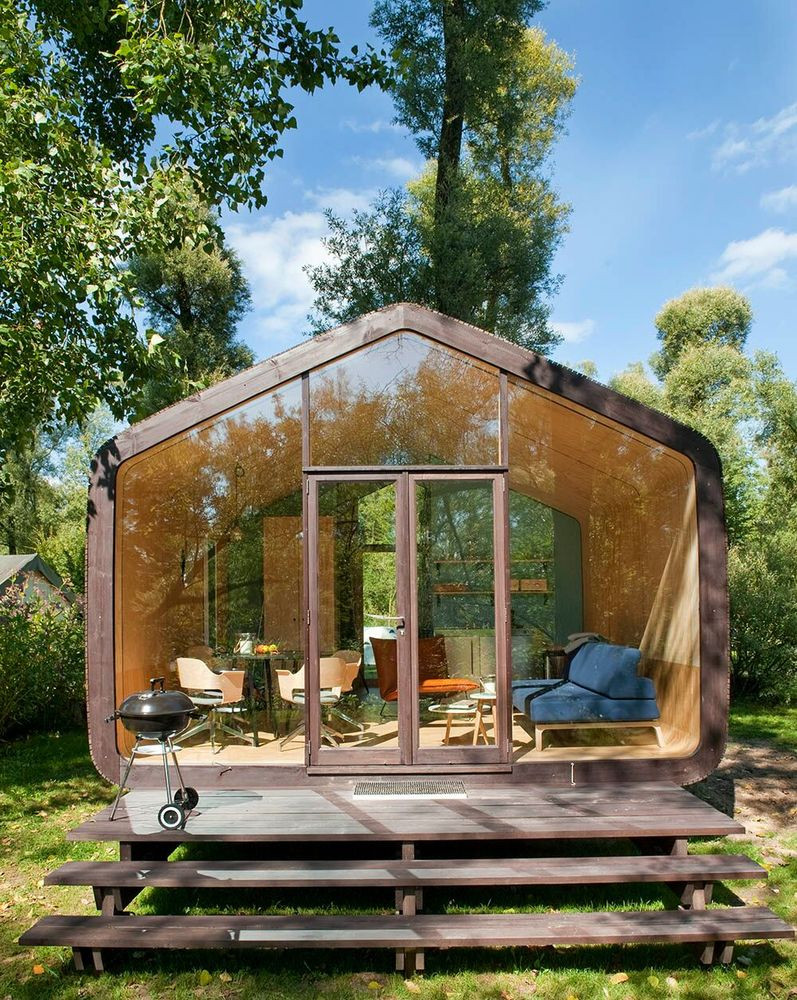
The firm highlights that the building components are recyclable: cardboard, wood, and foil parts can be disassembled and processed separately when the house reaches the end of its life. They are also pursuing a goal of making the Wikkelhouse fully biodegradable, though this objective has yet to be achieved.
A Unique Offering Primarily Serving the European Market
Despite over 150 units built, the Wikkelhouse remains largely a niche product sold mainly within Europe. Fiction Factory serves customers in the Netherlands, Belgium, Luxembourg, Germany, France, the UK, and Scandinavia, with no announced expansions into North American or Asian markets.
Prices begin at roughly EUR 40,000 excluding VAT for a basic triple-module setup, excluding shipping, installation, and options. Most completed homes sell in the range of EUR 60,000 to EUR 100,000 before tax and delivery costs. Interested buyers must contact Fiction Factory directly for detailed quotes. All sales and marketing operations are managed in-house from Amsterdam, with no franchising partners.
The company continues production at its Amsterdam factory and hosts monthly open house events for prospective clients who wish to tour finished homes before making purchase decisions.
- Categories:
- News












0 comments
Sign in to Comment