
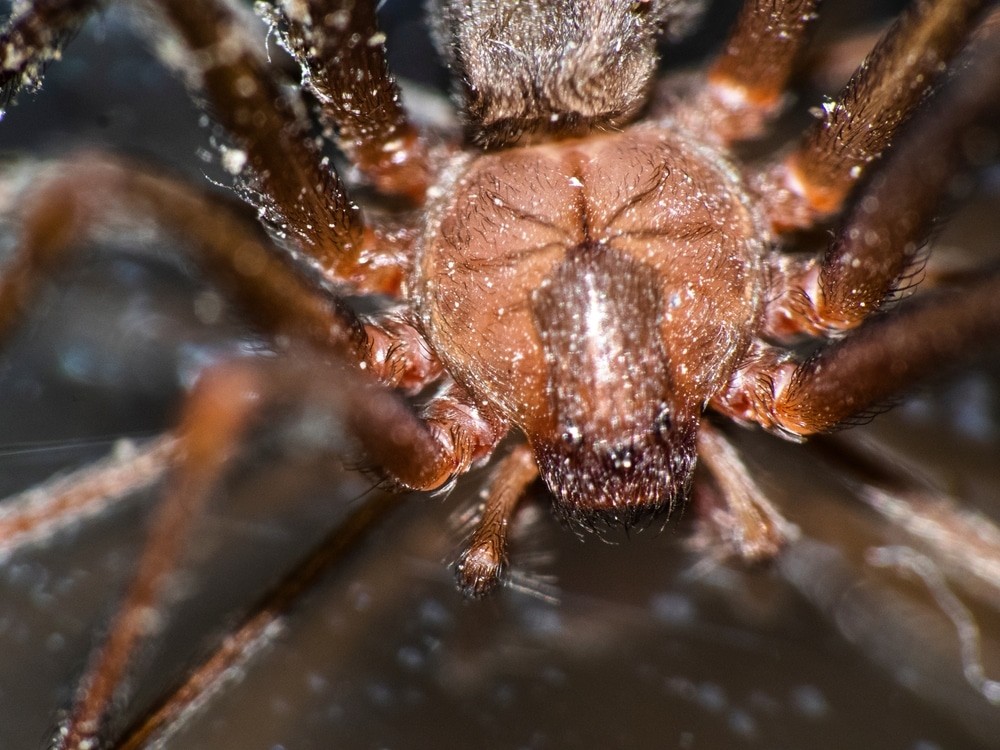
For more than five years, a family in Kansas unknowingly shared their living space with over 2,000 brown recluse spiders, among North America's most notorious venomous spiders. These arachnids established themselves in closets, behind floorboards, and even on bedding. Remarkably, none of the four household members suffered any confirmed spider bites throughout the infestation.
Detailed in the Journal of Medical Entomology, the study confronts widespread concerns about Loxosceles reclusa by showing that mere proximity to these spiders does not necessarily pose a serious envenomation risk. Over six months, researchers carefully documented and counted the spiders, recording no bite incidents or symptoms among the residents despite frequent encounters.
Conducted by Richard S. Vetter from the University of California, Riverside, this research is prompting experts to reconsider prevailing ideas about risk assessment, spider interactions, and how public health messages address spider bite fears.

High Numbers, Low Threat?
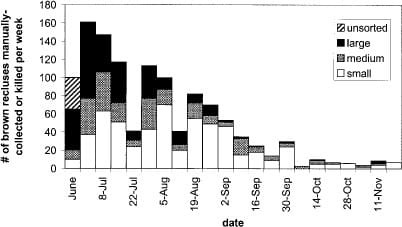
Researchers used sticky traps and manual collection methods to retrieve a total of 2,055 brown recluse spiders from the Lenexa, Kansas residence. Of these, 1,213 were captured by hand—323 adults, 255 sub-adults, and 601 juveniles. The remaining 842 were collected passively via adhesive traps.
Vetter, a distinguished arachnologist with an extensive publication record, estimated that nearly 400 of the spiders were large enough to deliver medically meaningful bites. Yet none of the family members showed any signs of envenomation or related symptoms.
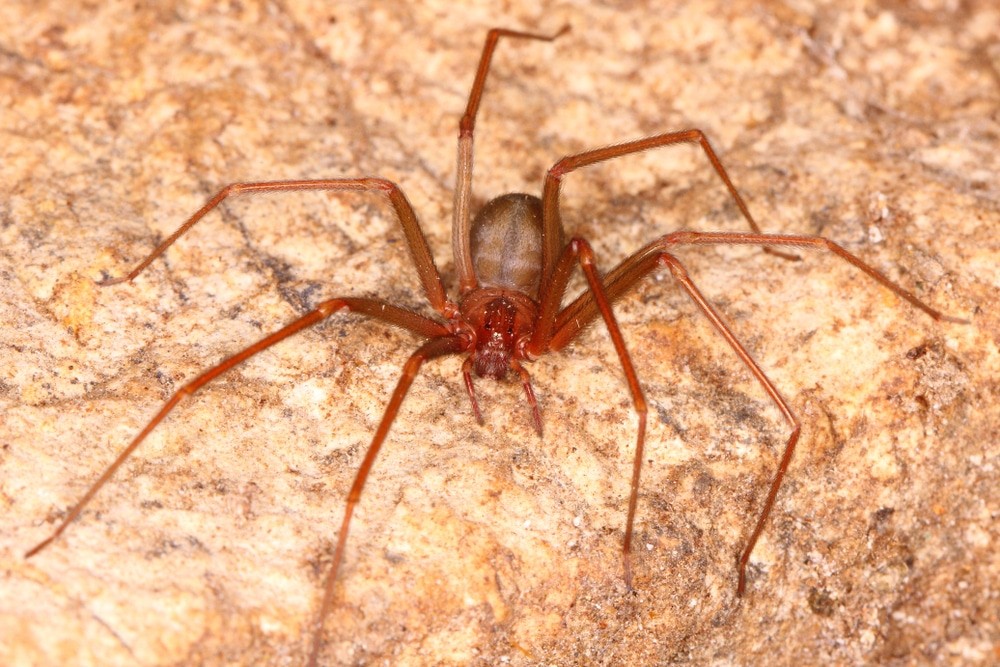
The study highlighted that brown recluse spiders tend to avoid confrontation, rarely biting and often fleeing or freezing when disturbed. The published analysis states:
“Even in a house with hundreds of potentially biting-sized recluses, there were no envenomations… This supports the notion that L. reclusa does not readily bite humans.”
This is despite two family members actively collecting spiders nightly, handling bedding, and regularly having unintentional contact with the arachnids.
Debunking the Brown Recluse Danger Myth
The brown recluse has long fueled public anxiety, blamed for unexplained skin wounds, severe lesions, and even deadly bites. However, many of these fears lack solid scientific corroboration.
Vetter’s study explains that brown recluse bite diagnoses are often incorrectly assigned, especially in areas outside the spider’s native range in the central and southern United States. Verified bite cases beyond this zone are infrequent and rarely confirmed by specimen examination.
Misidentification presents a significant challenge. The study notes:
“The diagnosis of brown recluse spider bite is overused for skin sores with unclear causes… mislabels can delay correct treatment for infections or other conditions.”
This misdiagnosis can have real consequences—doctors in regions like California and New York, where brown recluses are not found, have sometimes resorted to invasive treatments for supposed spider bites that were actually unrelated infections or autoimmune disorders.
The full report, titled An Infestation of Brown Recluse Spiders: Fact Versus Fear, stresses the need for objective evidence—such as having the spider positively identified by an expert—before diagnosing recluse spider bites.
Truly Reclusive Spiders by Behavior and Name
The Kansas case offers an unprecedented glimpse into how brown recluses behave under prolonged human presence, showing little to no aggression.
These spiders are primarily nocturnal creatures favoring dry, undisturbed locations and use their venom mainly to immobilize insect prey rather than defend themselves against people. The research found younger spiders were more often caught in traps, while mature spiders emerged early season and were gradually removed by manual efforts.
This aligns with Vetter’s extensive research on managing brown recluse populations. In his Integrated Pest Management of the Brown Recluse Spider, he emphasizes that non-chemical strategies—such as decluttering, sticky traps, and sealing entry points—can effectively control infestations.
Vetter collaborates with the University of California, Riverside where his team focuses on ecological and medical entomology, regularly uncovering how misconceptions exaggerate health risks linked to spiders.
Implications for Public Awareness and Safety
While the Kansas study does not declare brown recluses completely harmless, it exposes a gap between perceived and actual risk. Their venom can occasionally cause tissue injury, so caution remains important for people residing within their range. Protective gloves and avoidance of handling spiders are recommended precautions.
Crucially, the findings argue that the mere presence of brown recluses isn’t synonymous with danger. Even when living alongside hundreds of potentially venomous spiders, people may remain unaffected—showing that fear often stems from assumption rather than experience.
The researchers highlight the need for updated public health messaging and medical education. As incorrect spider bite diagnoses persist, the consensus from specialists like Vetter is clear: appreciate the role of spiders without exaggerating their threat.
- Categories:
- News











0 comments
Sign in to Comment