
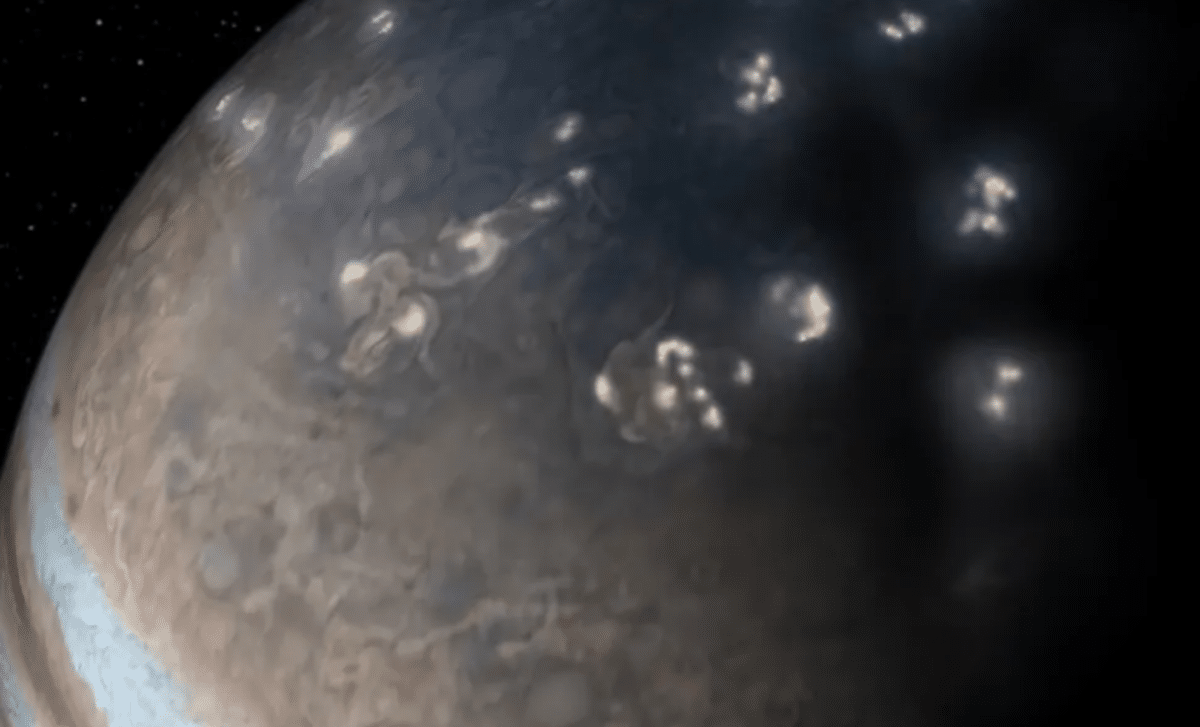
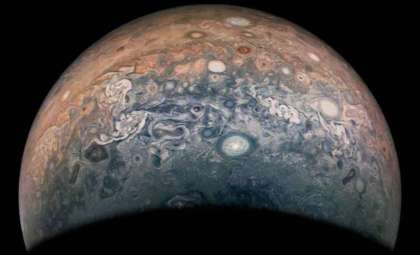
Recent research featured in AGU Advances has uncovered that lightning bolts deep within Jupiter’s immense storms unleash energies far exceeding those seen on our planet, providing new insights into extreme atmospheric phenomena on gas giants.
Revealing the Power of Lightning in Jupiter’s Atmosphere
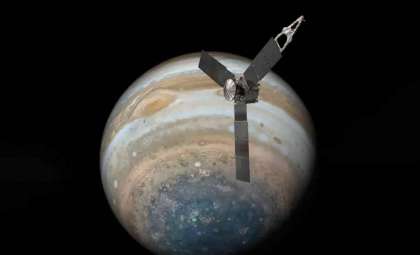
While flashes of lightning on Jupiter have been detected for years, the true magnitude of their power was unclear until now. This study utilized detailed spacecraft data paired with sophisticated analysis to directly quantify the energy of lightning strikes on the gas giant. The results indicate that Jupiter’s storms operate on a vastly larger and distinct scale compared to Earth’s weather systems.
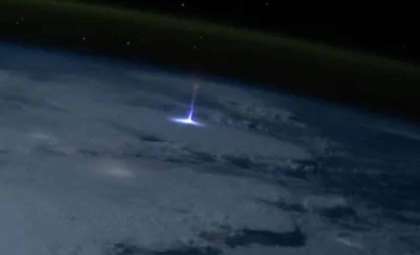
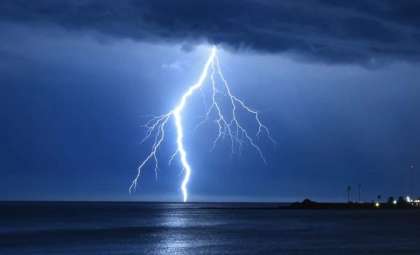
Michael Wong, the study’s lead researcher and a planetary scientist at UC Berkeley’s Space Sciences Laboratory, pointed out that even terrestrial lightning remains not fully understood. “There’s so much we don’t know about lightning on Earth,” he noted. This makes Jupiter a valuable natural laboratory to explore electrical storm behavior in an extreme environment.

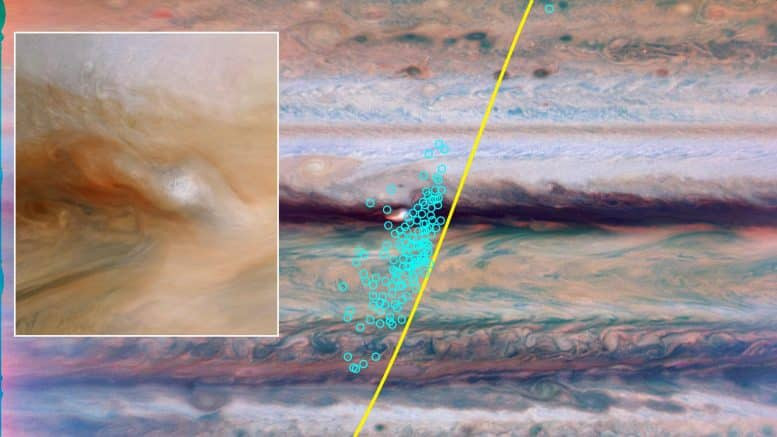
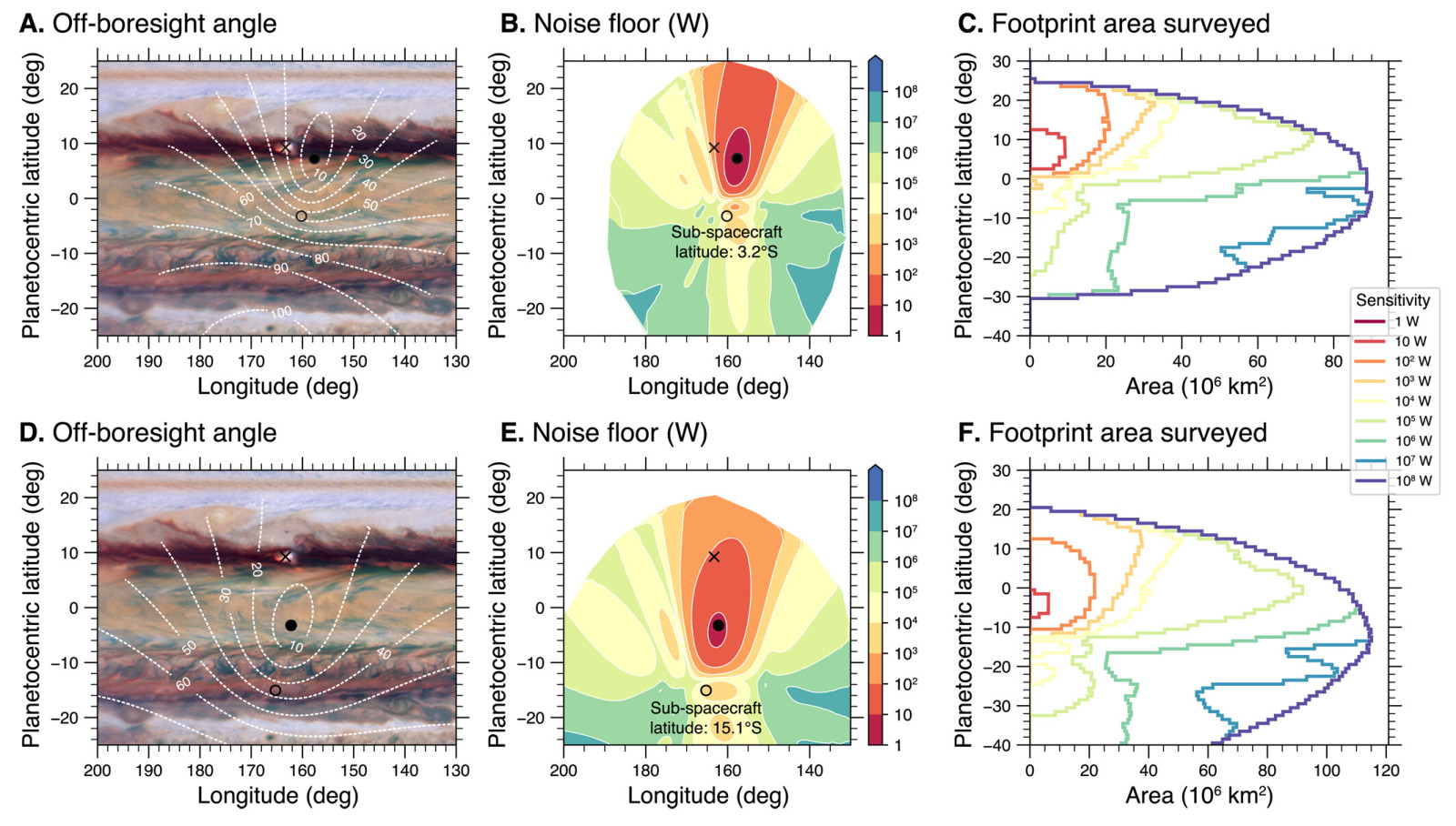
By focusing on distinct lightning episodes and accurately measuring their energy, the scientists achieved an unmatched degree of accuracy. Wong explained, “Because we had a precise location, we could say, ‘OK, we know where it is. We’re directly measuring the power.’” This marks a transition from indirect approximations to direct detection, enhancing our understanding of these phenomenal storms.
What Makes Jupiter’s Storms So Much More Powerful
One of the most remarkable distinctions is the sheer size of Jupiter’s storm systems. While storms on Earth usually reach heights around 10 kilometers, those on Jupiter can soar upwards of 100 kilometers. This extensive vertical scale is critical in the way electrical charges accumulate and discharge.
“This is where the details start to get exciting, where you can ask, ‘Could the key difference be hydrogen versus nitrogen atmospheres, or could it be that the storms are taller on Jupiter and so there’s greater distances involved?’” Wong said.
The atmospheric composition of Jupiter, predominantly hydrogen, is vastly different from Earth’s nitrogen-based air, which likely influences lightning formation and behavior.
These gigantic storm systems allow electrical discharges to travel much longer distances, which could enable a higher buildup of energy prior to release. Consequently, Jupiter’s lightning is not only grander in size but may operate under very distinct physical principles.
Heat and Energy Dynamics Fueling Giant Planet Storms
Storm development mechanisms also differ fundamentally. On Earth, lightning arises in clouds generated by moderate thermal contrasts. Jupiter's lightning, however, stems from intense energy build-ups linked to moist convection within its deep, thick atmosphere.
“Or could it be that greater energy is available because with moist convection on Jupiter, you have a bigger buildup of heat needed before you can generate the storm to create lightning?” Wong added. “It’s an active area of research.”
This implies Jupiter's storms accumulate substantially more energy before discharging lightning, leading to flashes that overshadow earthly lightning in both size and power. The publication in AGU Advances underscores how much remains to be deciphered about these energetic processes, encouraging continued investigation.
- Categories:
- News




0 comments
Sign in to Comment