
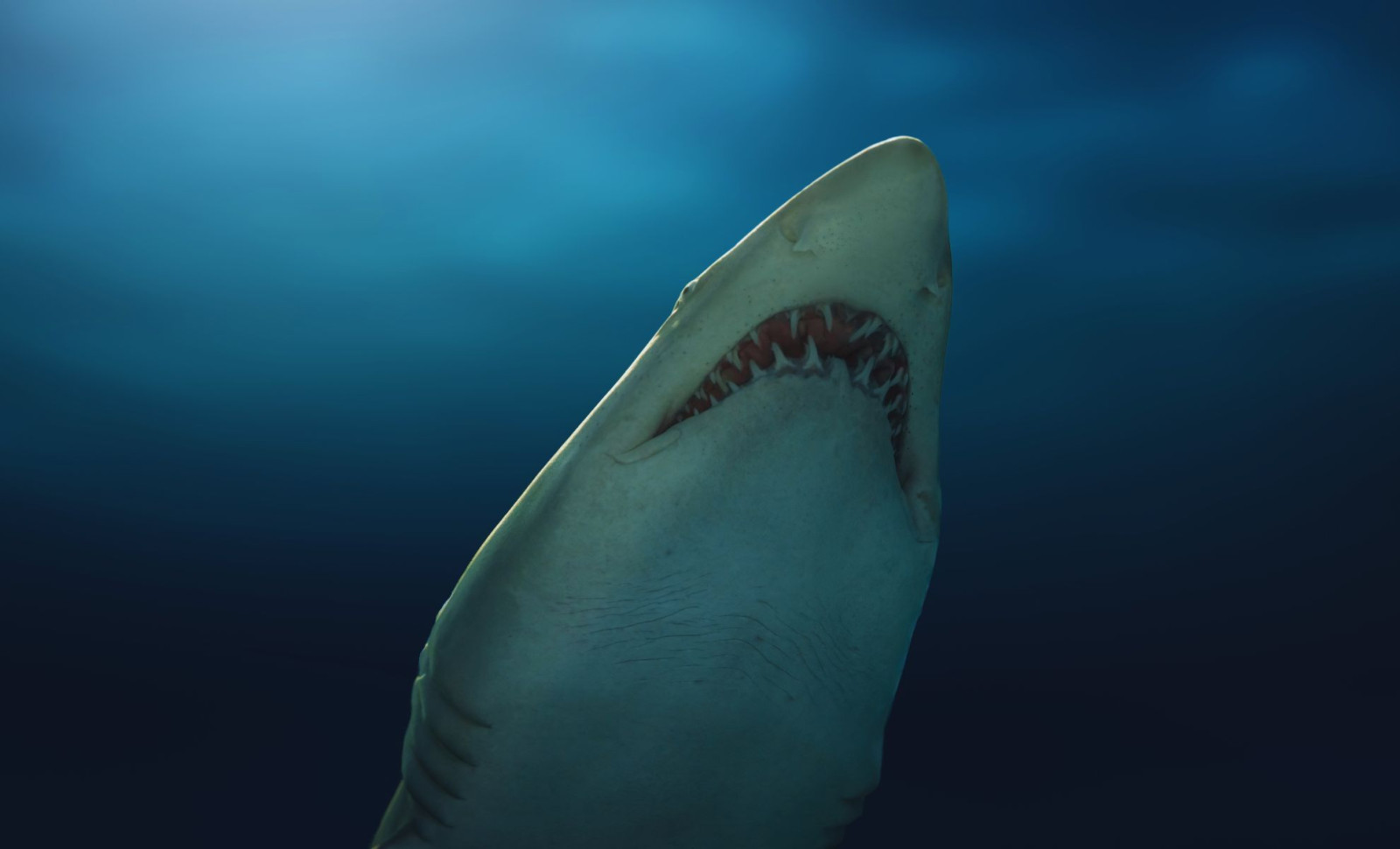
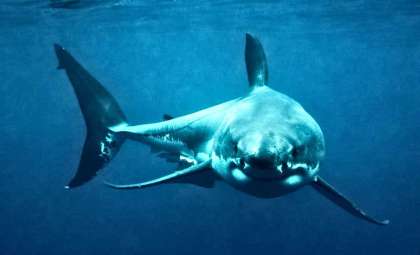
After a hiatus exceeding a century, a young great white shark was inadvertently captured off Spain’s coast, sparking renewed curiosity among scientists about the Mediterranean Sea possibly serving as a breeding habitat for this endangered top predator.
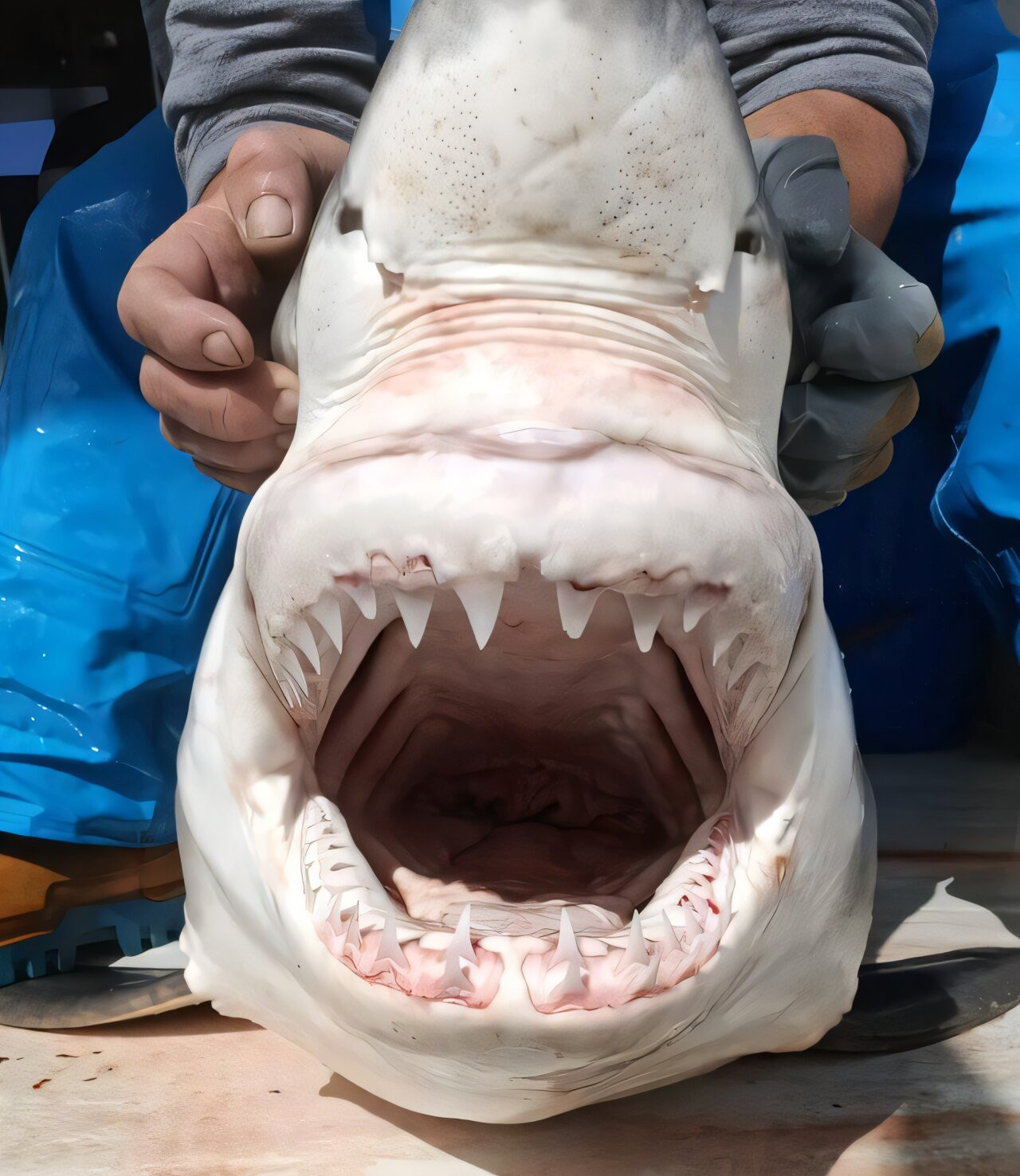
On April 20, 2023, fishermen working within Spain’s Exclusive Economic Zone caught an unforeseen specimen: a juvenile Carcharodon carcharias measuring 210 centimeters and weighing approximately 80 to 90 kilograms. This extraordinary event has motivated experts to revisit historical data and explore the Mediterranean's significance in the species’ reproductive cycle.
An Unexpected Discovery After 100 Years
Dr. José Carlos Báez, the principal investigator behind the study featured in Acta Ichthyologica et Piscatoria, noted that this event has led to a thorough examination of records dating back to 1862.

Historical records show that sightings, strandings, and captures of great white sharks in the Mediterranean have occurred sporadically but never ceased entirely. This newest evidence points to a potentially more nuanced presence of the species within these waters than formerly understood.
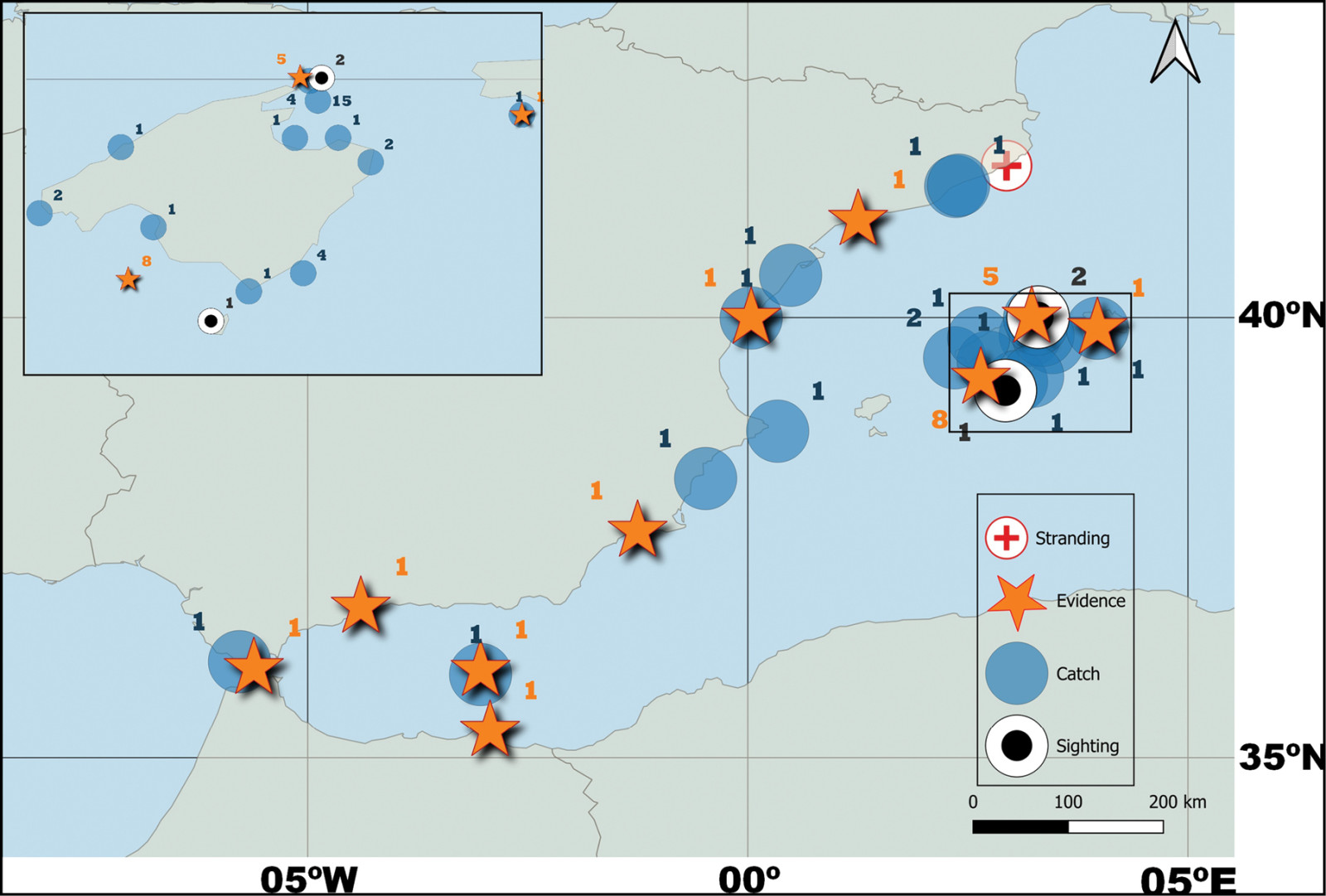
Great white sharks are typically linked to coastal regions like South Africa, Australia, and California. In contrast, the Mediterranean Sea has long been regarded as an uncertain and less documented habitat. The capture of this juvenile specimen adds important insight to this perspective.
Does the Presence of Juveniles Indicate Local Reproduction?
The juvenile status of the shark has attracted particular scientific scrutiny.
“Determining the presence of juvenile individuals is of particular importance,” explained Dr. José Carlos Báez. “The occurrence of juvenile specimens raises the question whether active reproduction may be occurring in the region.”
Younger sharks are often seen as indicators of nearby breeding activity. The presence of juveniles in these waters could suggest that parts of the Mediterranean basin might function as nursery or pupping habitats.
Scientists advise caution, as a single juvenile alone does not confirm sustained breeding in the area. Nonetheless, this discovery supports calls for more detailed surveillance and research.
A Key Predator Facing Vulnerability
Listed as “vulnerable” by the IUCN Red List, great white sharks are experiencing population declines globally due to overfishing, accidental catches, and habitat degradation.
Nueva cita de tiburón blanco en aguas españolas 10.3897/aiep.56.173786 @IEOoceanografia @Pensoft #shark #sharks #NaturePhotography #NatureLover #sea #MARINESSTUDIO pic.twitter.com/5Qvemh1vTP
— Jose Carlos Baez Barrionuevo (@BaezBarrionuevo) February 10, 2026
As apex predators, these sharks play a significant role in ocean ecosystems by controlling prey populations, scavenging dead matter, and transporting nutrients over large distances. Their pelagic and migratory nature links otherwise isolated marine environments.
“The main idea I want to convey to the public is that these large marine animals have a fundamental role in marine ecosystems,” Dr. Báez said. “As highly migratory pelagic species, they redistribute energy and nutrients across vast distances.”
- Categories:
- Science











0 comments
Sign in to Comment