
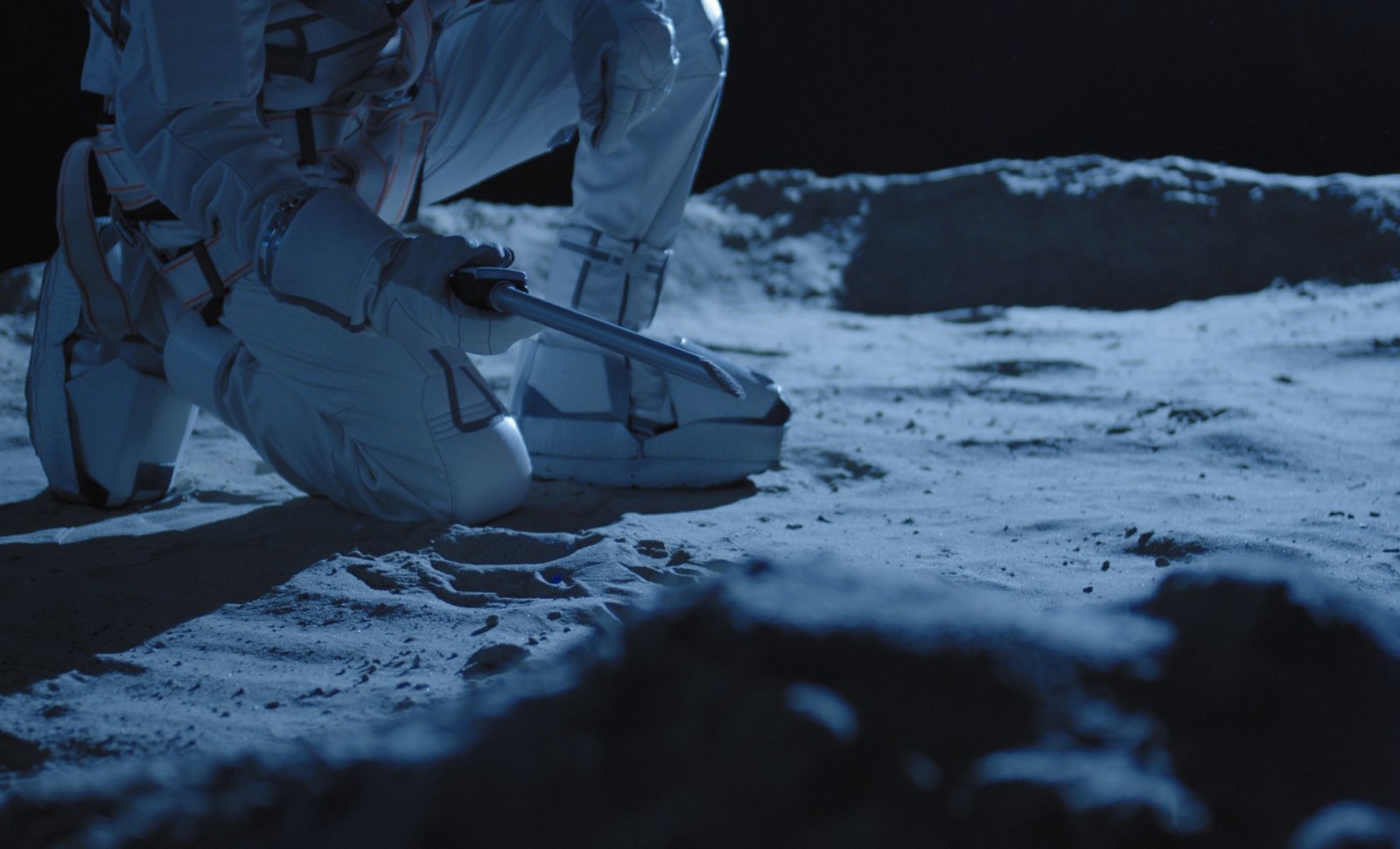
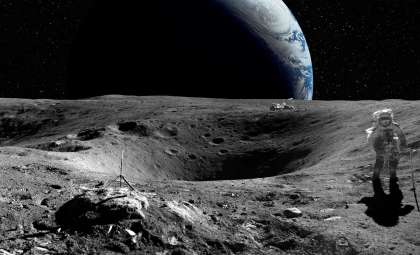
Mining the Moon has transitioned from a futuristic idea to an emerging reality. Governments and private enterprises are actively preparing to harvest valuable materials, including rare metals and frozen water, from the lunar surface. Despite the enormous potential, existing international laws regulating these activities remain severely outdated. With multiple stakeholders vying for access, the Moon is rapidly becoming a disputed territory. The critical question remains: who will establish the guidelines for sharing these extraterrestrial assets?
The Moon: The Next Big Opportunity for Space Mining
Innovative companies such as Interlune and Astrobotic are collaborating with NASA and international space agencies to pioneer technologies capable of mining lunar materials. Interlune’s electric excavator, for instance, aims to handle 100 metric tons of moon dust per hour, with ambitions to begin extracting helium-3 by 2027.
These ventures are banking on the Moon’s vast untapped reservoirs, especially helium-3, which holds promise as a clean fuel source for future fusion power, potentially transforming the global energy landscape.

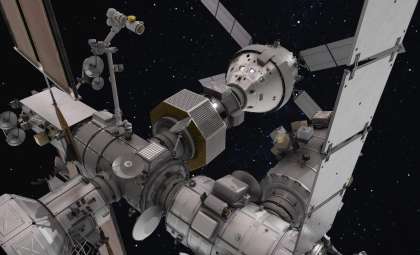
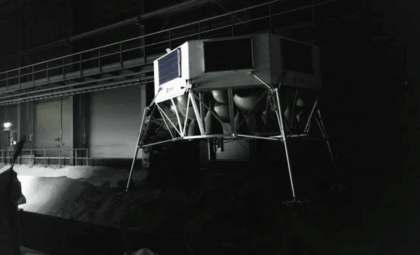
China plans crewed lunar missions by 2030 and, in partnership with Russia, aims to establish a Lunar Research Station by 2035. The United States, via NASA’s Artemis program, is pushing toward sustained human settlement on the Moon. Meanwhile, Australia and Japan have announced their own lunar missions, and the European Space Agency is preparing its inaugural lunar lander.
Preserving the Moon’s Fragile Environment
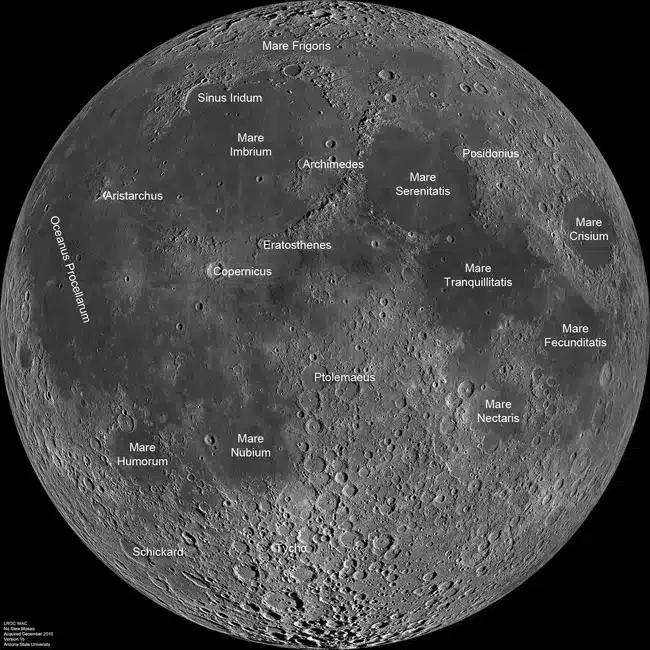
According to The Conversation, environmentalists and astronomers warn that extensive mining might cause irreversible harm to the Moon’s delicate surface. Disturbing this ecosystem could interfere with ongoing scientific investigations or produce hazardous debris. Protecting the lunar environment is essential to safeguarding its role in future space research, prompting some advocates to call for a zero-debris policy to enforce sustainable mining practices.
Moreover, security concerns loom over the Moon’s valuable resource hubs, like the poles, rich in water ice. These hotspots have the potential to ignite geopolitical tensions if nations or corporations vie aggressively for control. Without comprehensive global agreements, there could be competing claims and conflicts over these strategic locations.
Establishing a Framework for Lunar Mining
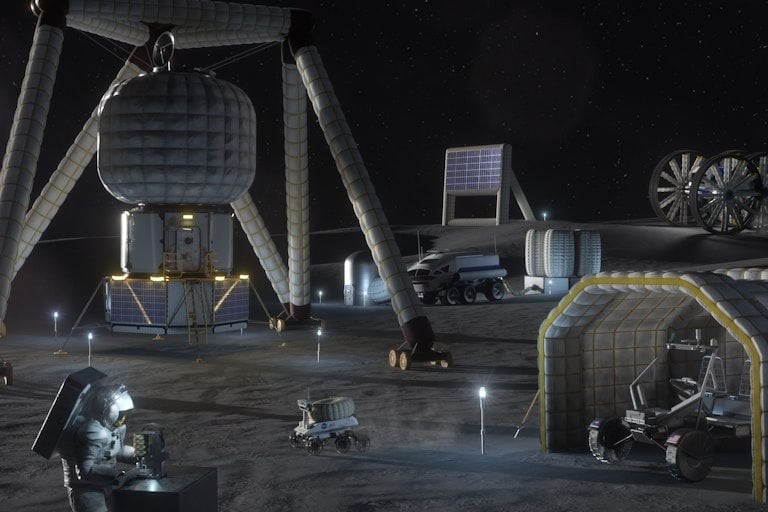
As lunar mining technology progresses, the urgency for internationally agreed-upon regulations grows. Without oversight, we risk a chaotic scramble where powerful actors monopolize the Moon’s resources, excluding smaller nations and jeopardizing future generations. The global community must unite to formulate binding treaties that promote equitable, sustainable lunar development.
Humanity stands at a pivotal moment. While the Moon offers a wealth of opportunities, it is vital to proceed thoughtfully to avoid a legal and geopolitical crisis. Creating transparent and just rules for lunar resource extraction is imperative to ensure a responsible and cooperative approach to this new frontier.
- Categories:
- Space







0 comments
Sign in to Comment