
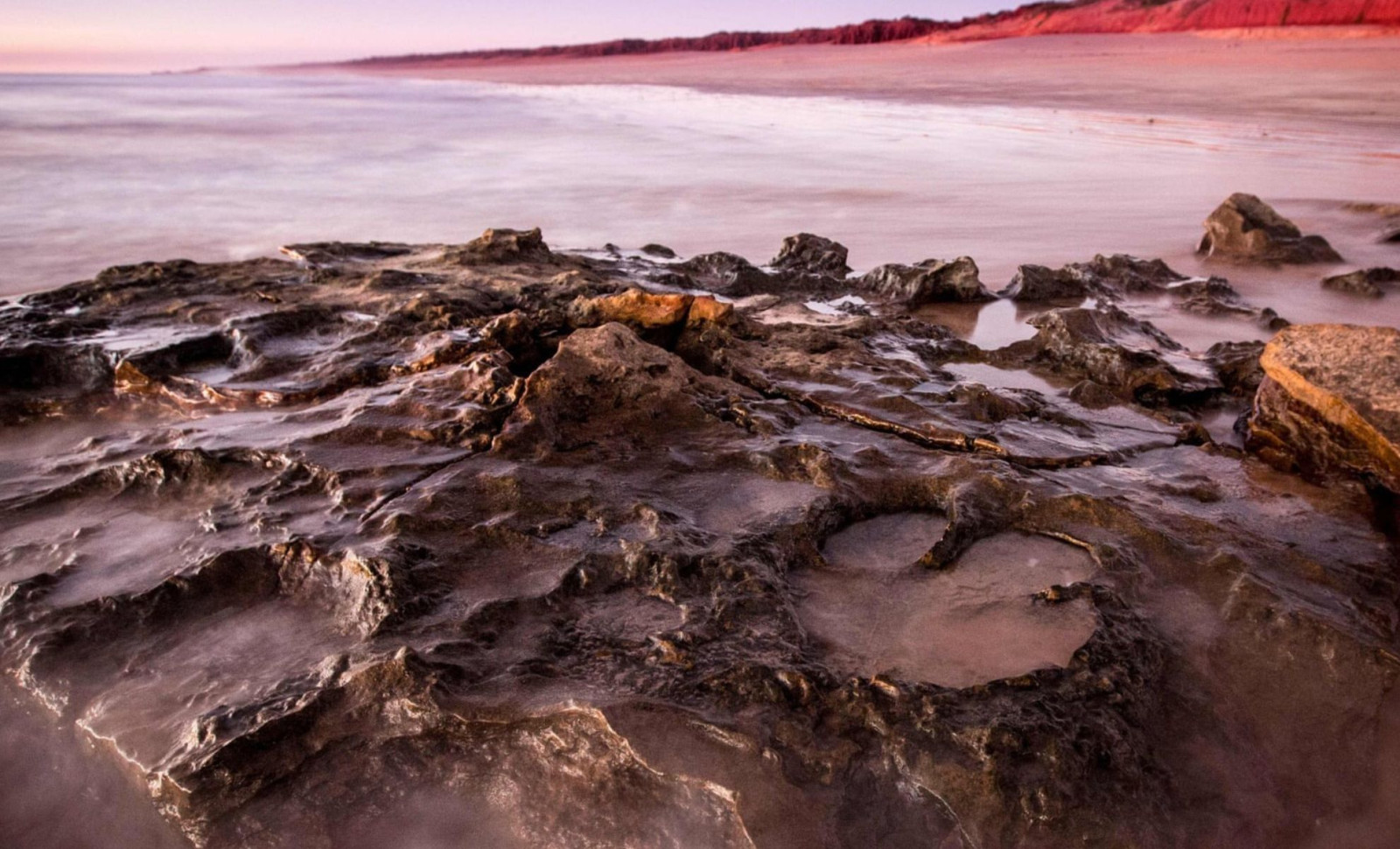
In the remote Kimberley region of Western Australia's sandstone cliffs, paleontologists have discovered dinosaur footprints of incredible magnitude, with some measuring more than 1.7 meters long. These massive imprints, formed over 130 million years ago on ancient tidal flats, belonged to sauropods, among the Earth’s largest prehistoric creatures. Experts from the University of Queensland emphasize that the location is remarkable not only for the size of its tracks but also for its extraordinary diversity, featuring 21 distinct dinosaur footprint types, making it one of the most diverse fossilized tracksites worldwide.
A Hidden Archive of Dinosaur Tracks
The extensive collection was uncovered along a secluded stretch of Kimberley's coastline, where sedimentary layers reflect a river delta environment dating back 130 million years. Dinosaurs once traversed these damp sandy terrains among forested areas, leaving footprints that fossilized over millions of years. The discovery, detailed in the publication featured in the Memoir of the Society of Vertebrate Paleontology, reveals tracks embedded in sandstone along tidal zones accessible only during low tide.
The variety of prints was unexpectedly vast. Of the thousands identified, researchers confidently categorized at least 150 into 21 separate track morphologies, according to vertebrate paleontologist Steve Salisbury, with the footprints attributed to sauropods, ornithopods, multiple types of armored dinosaurs—including stegosaurs appearing in Australia for the first time—and several theropod species.

Record-Breaking Sauropod Tracks
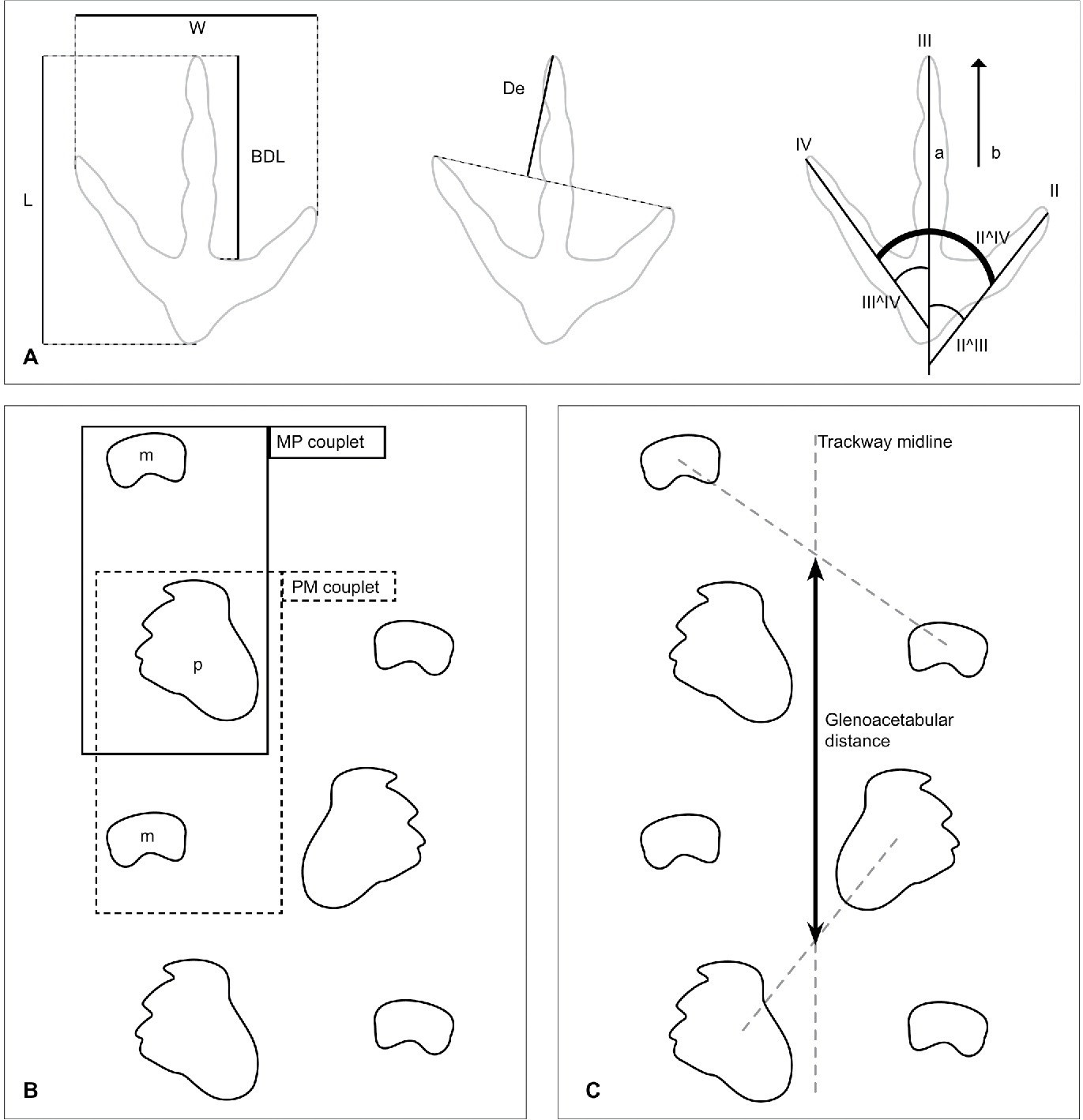
Among the most remarkable finds were the sauropod footprints, with some measuring up to 1.7 meters in length. Salisbury remarked:
“most people would be able to fit inside tracks that big, and they indicate animals that are probably around 5.3 to 5.5 meters at the hip, which is enormous.”
These footprints now hold the record, surpassing the previous largest known track of 1.06 meters found in Mongolia in 2016. The site's extensive footprint size and preservation elevate its status on the global paleontological stage. Salisbury also likened the site to the "Cretaceous equivalent of the Serengeti," highlighting the diversity and abundance of dinosaur life preserved there in fossil form, as explored in related research.
Local Knowledge Fuels Scientific Discovery
This significant paleontological site might have remained overlooked were it not for the guidance of the Goolarabooloo people, who have long known about the ancient trackways dotting the region’s coastline. When plans emerged in 2008 to develop a liquid natural gas processing facility nearby, Indigenous leaders reached out to scientists to evaluate the area's cultural and scientific significance.
“Dinosaur tracks have been known through that area, probably for thousands of years. They form part of the song cycle,” said Salisbury, referring to traditional stories and cultural maps passed down through generations.
This collaboration spurred an extensive research effort involving experts from James Cook University and other institutions, who worked alongside Indigenous custodians to document the footprints over 400 hours on site.
- Categories:
- News








0 comments
Sign in to Comment