
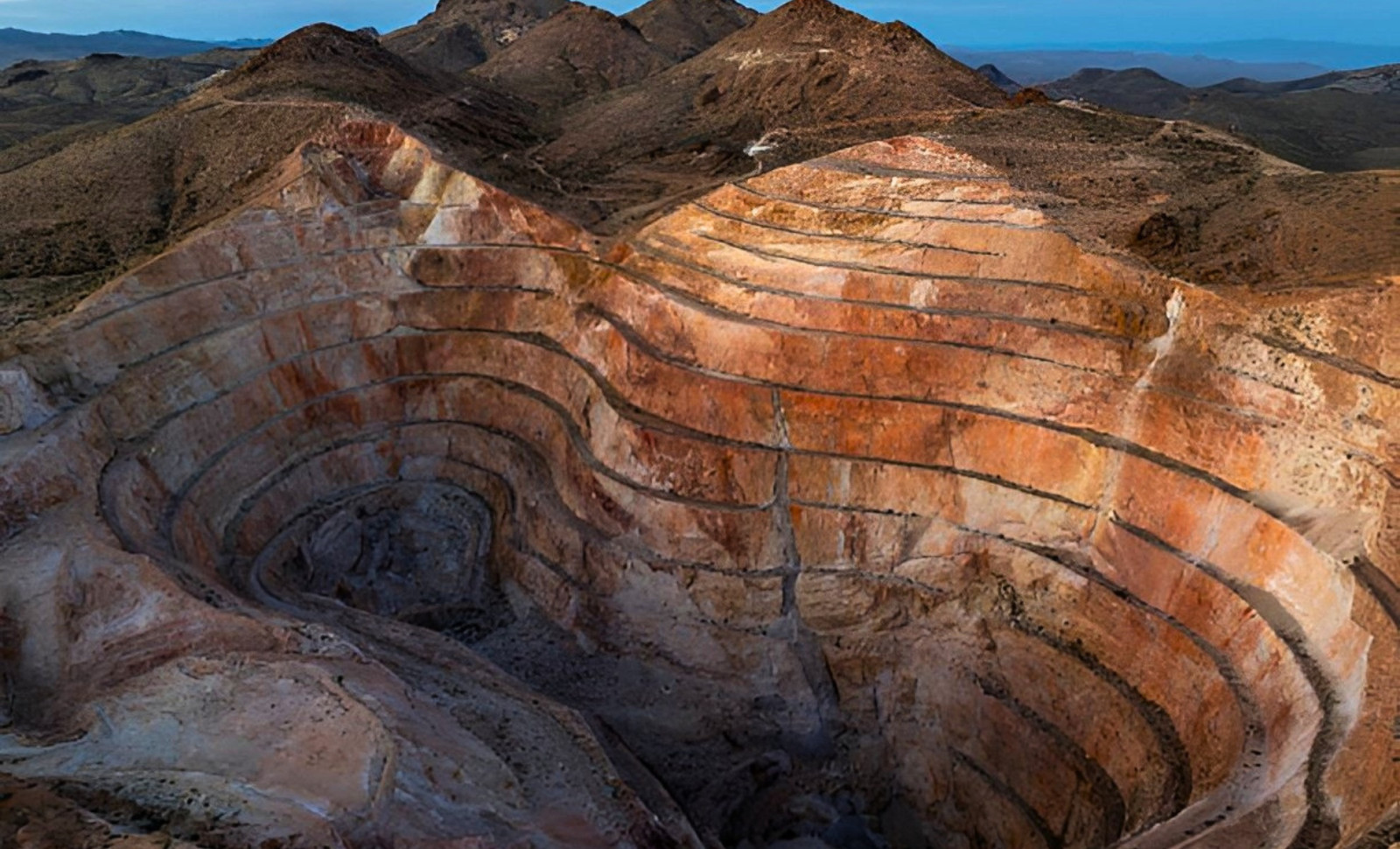
Yeongdong County, nestled in South Korea’s North Chungcheong Province, has long attracted visitors for its scenic wine routes, vibrant jazz events, and a golf resort named after a local type of clay. Weekend travelers from nearby cities like Daejeon and Sejong sought leisure here, unaware of the valuable mineral lying just beneath them.
That perception shifted dramatically in April 2026.
The Korea Institute of Geoscience and Mineral Resources revealed that Yeongdong harbors an immense 104.5 million tonnes of illite—a clay mineral instrumental in oil drilling, battery innovation, pharmaceuticals, and agriculture. This deposit dwarfs any known global counterparts, with China’s largest approximating only 5 million tonnes, making Yeongdong’s reserves over twenty times larger.

Introducing Illite: A Lesser-Known but Valuable Mineral
Illite is common in geological terms, typically forming within sedimentary environments like sandstone, siltstone, and shale and found worldwide. However, its commercial significance stems from an unusual blend of characteristics rarely all present in one mineral.
Belonging to the phyllosilicate group related to mica, illite’s particles are less than two microns wide. This fine, plate-like structure grants it a soft texture, heat resistance up to roughly 600 degrees Celsius, and a strong ability to absorb heavy metals and decompose organic substances. Unlike other clays that swell when wet and complicate processing, illite remains dimensionally stable.
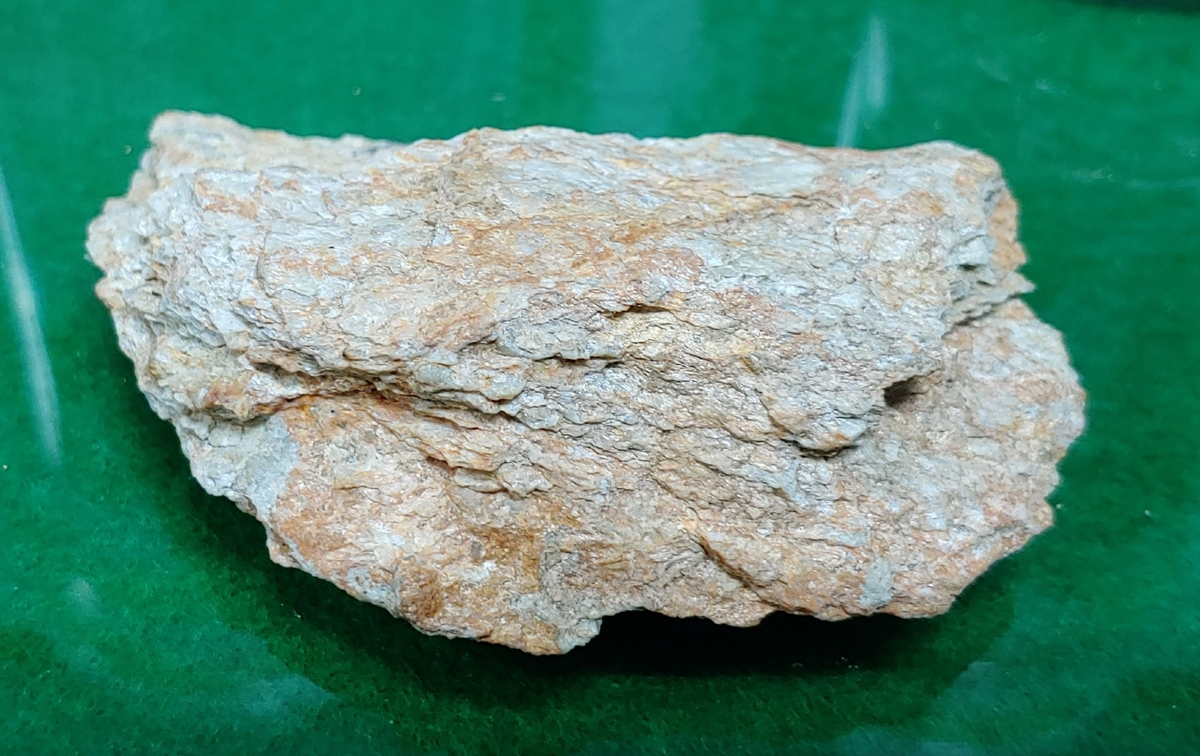
This unique combination of features opens doors in a variety of industrial sectors. It’s used in drilling fluids to stabilize oil and gas wells, serves as a filler in paper and paint production, and enhances cosmetics and pharmaceuticals by virtue of its fine particles and skin-friendly properties. Its layered silicate structure—expressed chemically as (K,H₃O)(Al,Mg,Fe)₂(Si,Al)₄O₁₀[(OH)₂,(H₂O)]—has also sparked interest among battery technologists working to address challenges outside traditional clay uses.
Illite's Emerging Role in Battery Technology
A 2024 investigation published in Coatings explored Yeongdong illite as a filler material within polymer-based solid electrolytes designed for advanced solid-state lithium-ion batteries. Through acid modification, researchers expanded the spacing between illite’s layered sheets and assessed its lithium-ion conductivity. Results showed conductivity peaking at 1.08 × 10⁻² S/cm at the best filler concentration, rivaling other promising solid electrolyte materials under development.
Solid-state batteries offer enhanced safety by replacing liquid electrolytes with solids and may boost energy density, though they remain largely in the research phase. Illite’s promising early results add new value to Yeongdong’s mineral deposit beyond conventional applications.
Turning illite into usable products involves more than mining. Processing includes grinding, bleaching, and surface treatments, while chemical processes such as acid leaching and crystallization extract key elements like potassium and aluminum. These steps enable tailored materials suited to specific industrial needs.
Yeongdong’s Early Leadership in Illite Development
Even before the global spotlight, Yeongdong took proactive steps to develop its illite resources. As early as 2017, the county acquired mining rights covering 15 zones spanning 2,030 hectares, progressing to commercial manufacturing of illite-enriched cosmetics, fertilizers, building materials, and animal nutrition products.
Illite soon became part of the county’s identity. Wellness centers featuring illite saunas near Yeongdong Train Station attracted visitors, and in 2023, as the Korea Tourism Organization promoted travel beyond Seoul, Yeongdong’s illite-themed attractions were highlighted.
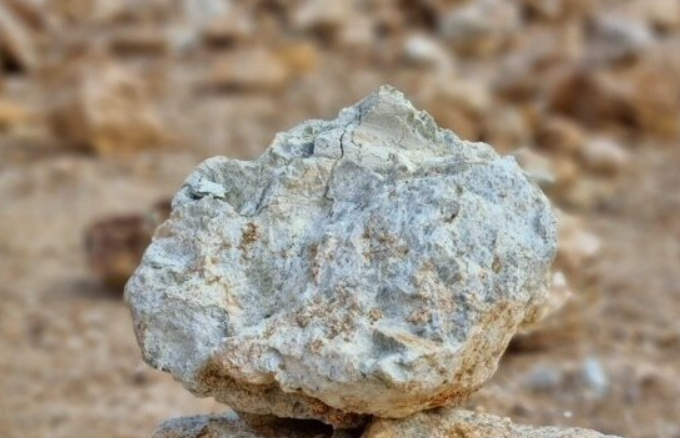
The comprehensive April 2026 survey significantly expanded this narrative. A local government official noted illite’s presence across most mining zones, including Jugok and Sanik-ri in Yeongdong-eup, and said these findings will aid the development of a standardization and certification system aimed at global recognition.
A National Resource Milestone for South Korea
In 2025, Yeongdong allocated nearly 23 billion South Korean won (about 13.3 million euros), backed in part by central government funds, to establish an Illite Industry Knowledge Center within its Industrial Complex. The county is collaborating with the American Clay Minerals Society to register its illite as an international standard reference sample, positioning Yeongdong as the benchmark source worldwide.
This revelation aligns with an expanding domestic resource focus in South Korea. For example, in March 2026, the Sangdong tungsten mine restarted operations after three decades and now processes roughly 640,000 tonnes annually. While illite is not a strategic metal, its volume provides South Korean industries with dependable local supply, reducing dependency on imported clay minerals from China.
Moving forward, Yeongdong plans to utilize the survey insights to craft a comprehensive development plan, with the Knowledge Center leading innovative research and commercial efforts.
- Categories:
- News








0 comments
Sign in to Comment