
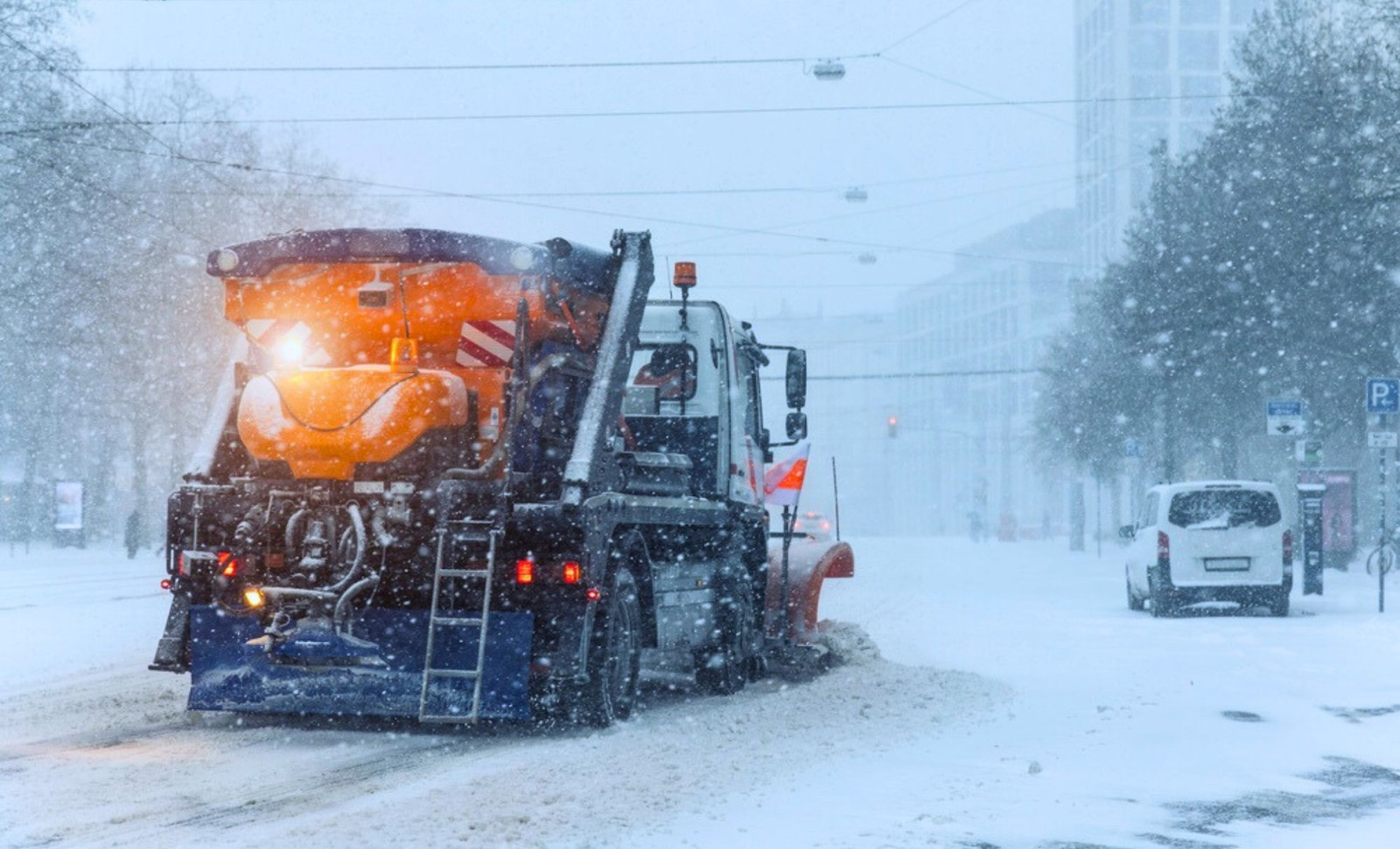
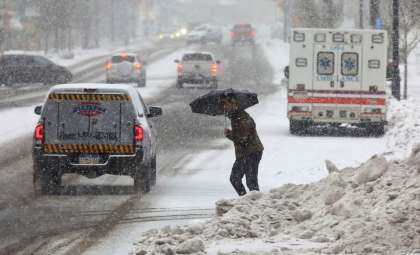
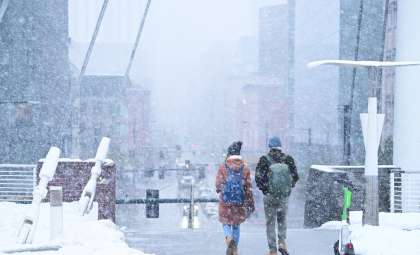
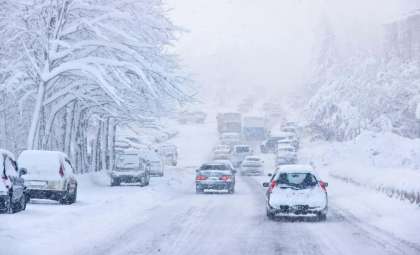
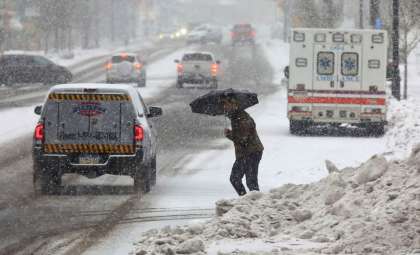
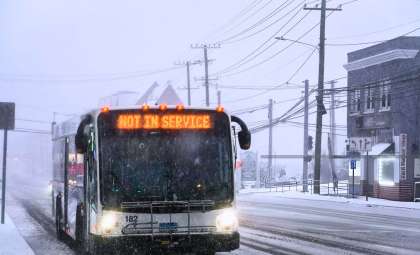
An intense winter storm spanning the continent is severely impacting critical services throughout the United States, triggering emergency declarations in more than 20 states and regions. This storm is placing significant strain on power systems, transport infrastructure, and emergency response teams, with millions experiencing severe snow, ice, and dangerously frigid conditions.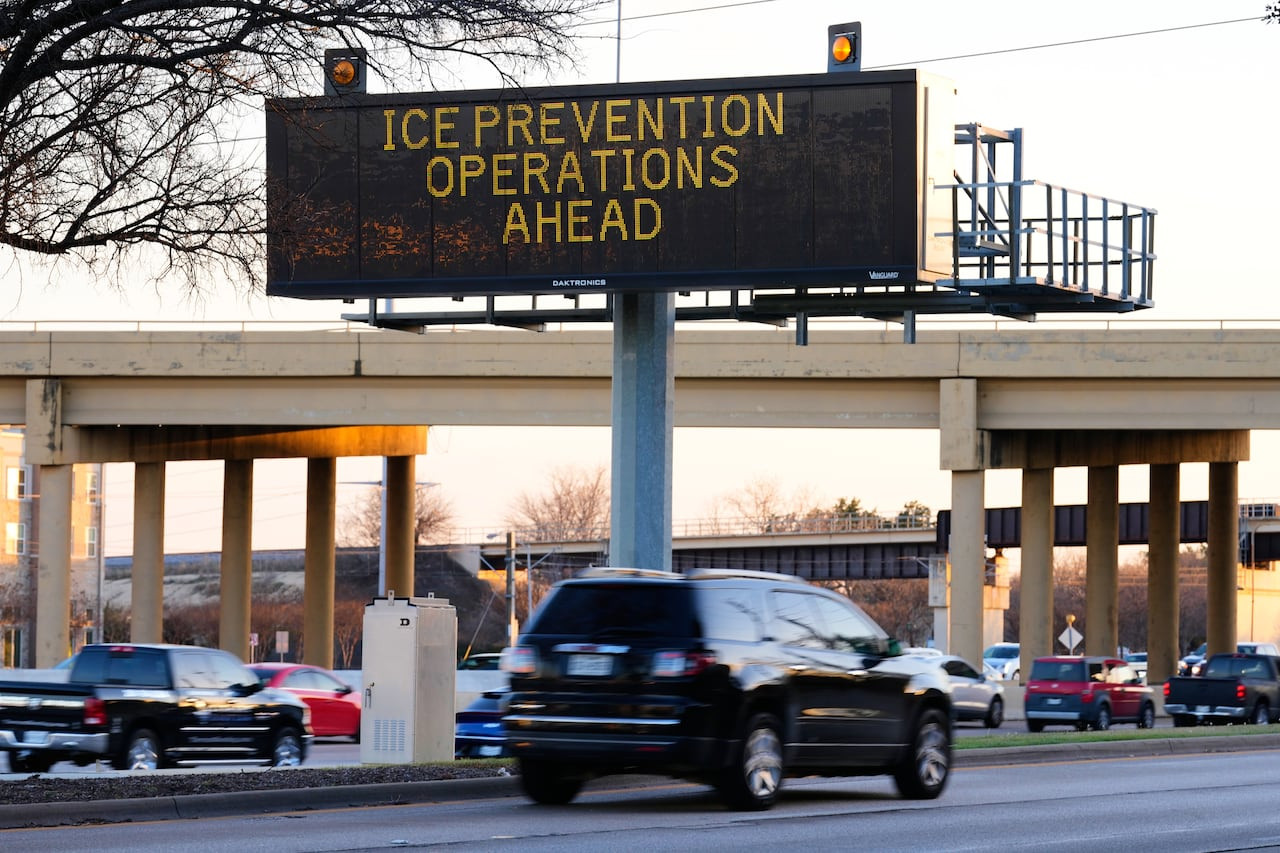
Weather experts classify this event as one of the most expansive cold-weather systems since the introduction of digital storm tracking in 2008. With over 97 million Americans under active Winter Storm Warnings, governmental agencies are operating with elevated alert levels.
Snow, Ice, and Wind Chill Trigger Widespread Infrastructure Challenges
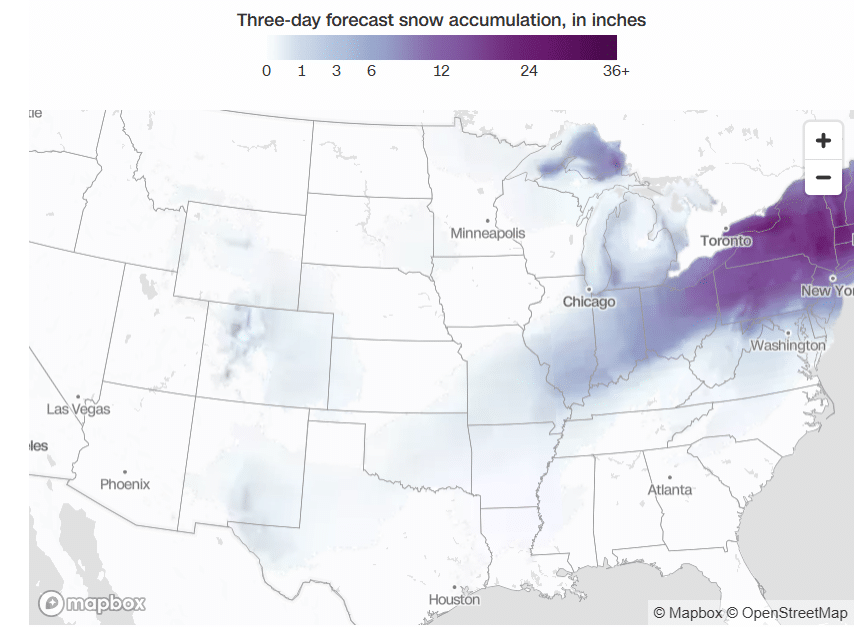
The National Weather Service (NWS) reports that the storm stretches more than 2,000 miles, covering a path from eastern New Mexico all the way to the Maine coastline. This event affects multiple atmospheric layers with hazards detected across a vast area. Utilization of NOAA's Winter Storm Severity Index (WSSI) classifies over 200 counties as experiencing "extreme impact" conditions.

Key measurements and predictions include:
- Snow Depths:
- Up to 13 inches reported in Oklahoma City, nearing the record 13.5 inches set in 2009
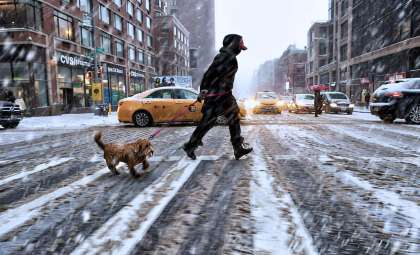
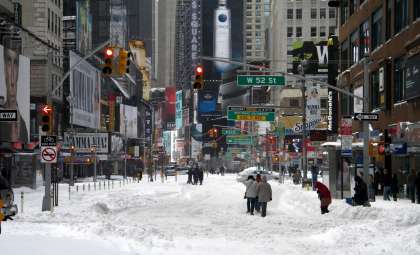
- Central Park, New York City may accumulate as much as 12 inches, including wind-driven snow drifting
- Many areas in Missouri, Pennsylvania, Illinois, and New Jersey forecasted to receive 6–12 inches
- Ice and Freezing Rain:
- Ice buildup predicted to exceed 1.0 cm in parts of Arkansas, Tennessee, and Virginia
- More than 0.5 cm of ice accumulation has already been recorded in north-central Texas, threatening power lines and tree branches
- Frigid Wind Chills:
- Feels-like temperatures dropping below −30°F (−34°C) across regions in Minnesota, Iowa, and the Dakotas
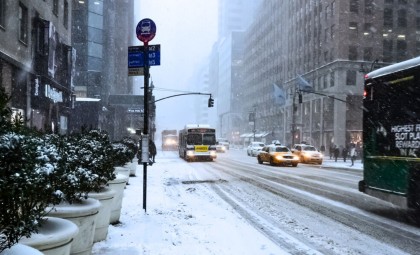
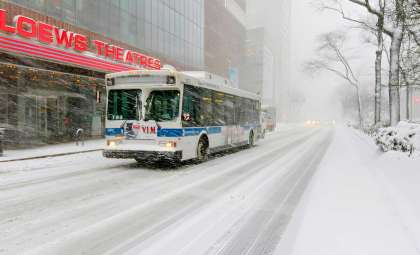
- Wind gusts ranging from 30 to 45 mph (48–72 km/h) expected in the Mid-Atlantic, heightening frostbite risks and lowering visibility
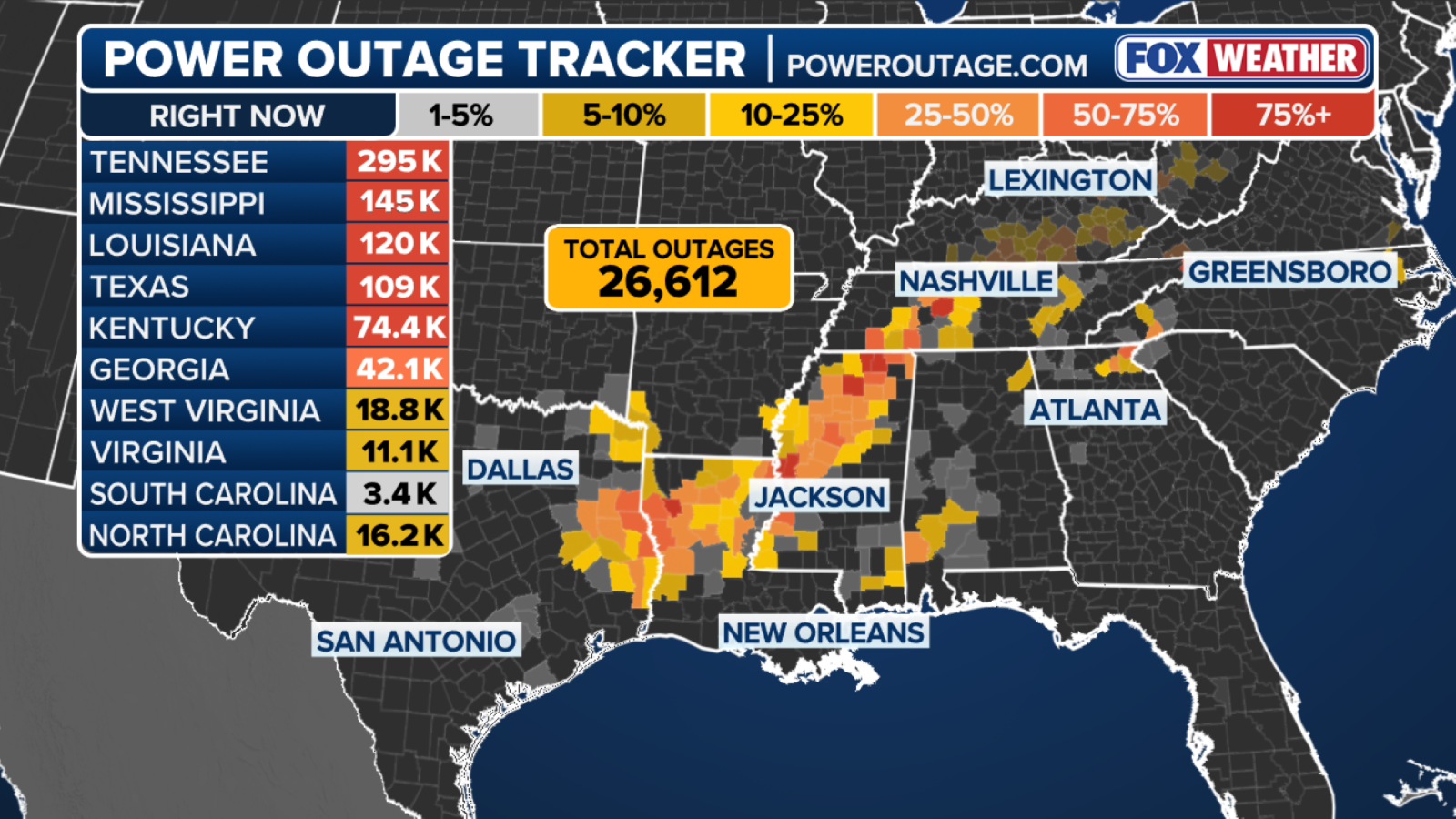
Over 200,000 customers experienced power interruptions by Saturday morning, with the largest outages in Louisiana (67,000) and Texas (45,000), according to PowerOutage.us. Utilities have activated emergency cold-weather procedures and are prepared to implement rolling blackouts if necessary.
FlightAware reported cancellations exceeding 5,100 flights through Sunday. Major airports such as DFW, Memphis, Chicago O’Hare, and Newark Liberty are among the hardest hit. Travel restrictions at Level 2 and Level 3 are in place across 12 states to ensure safety.
Evaluating Power Grid Stability and Emergency Response Efforts
Texas Governor Greg Abbott declared a statewide weather emergency covering 134 counties. From Austin, he confirmed that the Electric Reliability Council of Texas (ERCOT) has ramped up winterization efforts for natural gas pipelines and power plants. ERCOT continues facing scrutiny after the February 2021 blackout that led to approximately 246 deaths, according to the Texas Department of State Health Services.
FEMA was activated Friday under a federal disaster declaration by President Donald Trump, coordinating with agencies such as NOAA, the U.S. Army Corps of Engineers, and National Guard units across 16 states. Resources are currently staged in North Carolina, Georgia, Virginia, and Delaware.
In Dallas, emergency manager Kevin Oden urged citizens to prepare for a minimum of four to five days of isolation due to expected water supply interruptions from freezing conditions. The city's Office of Emergency Management elevated to Incident Level 1 on Friday.
Emergency warming shelters have opened in major cities including:
- Houston: Temporary centers set up to accommodate more than 3,000 people
- Atlanta: Distribution of food and emergency resources by Hosea Helps, a local charity reporting its highest demand to date
- Washington, D.C.: Closure of all federal offices through Monday, according to the Office of Personnel Management
Polar Jet Stream Disruption Drives Cold Air Influx
The current storm event is associated with a southward shift of the Arctic polar vortex, a low-pressure system usually confined near the poles. Climatologists attribute this to a weakened polar jet stream, potentially intensified by Arctic amplification — the phenomenon where the Arctic warms at roughly twice the pace of the global average, as documented by NASA’s Earth Observatory.
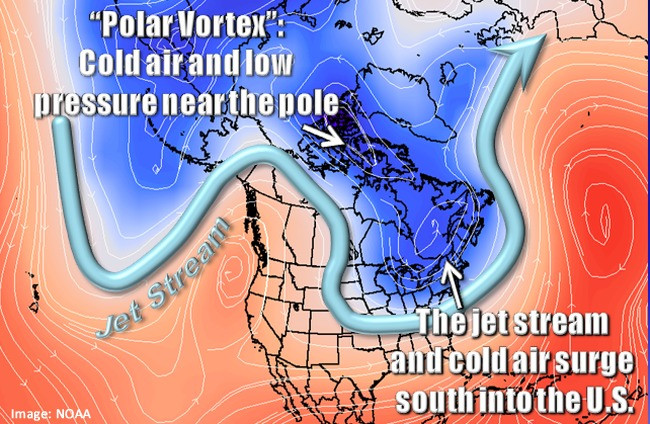
University of Oklahoma meteorologist Jason Furtado cautioned that the current data are insufficient to definitively link this storm to long-term climate shifts. However, the prevailing theory suggests that a reduced temperature gradient between the equator and poles may enhance north-south atmospheric patterns, increasing extreme cold air events.
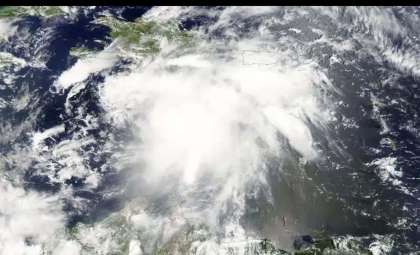
Satellite imagery from NOAA's GOES-East platform reveals a pronounced cyclonic circulation in the mid-troposphere, corresponding with intensified surface convergence over the Ohio Valley and southern Appalachian regions.
Supply Chains and Emergency Services Face Mounting Challenges
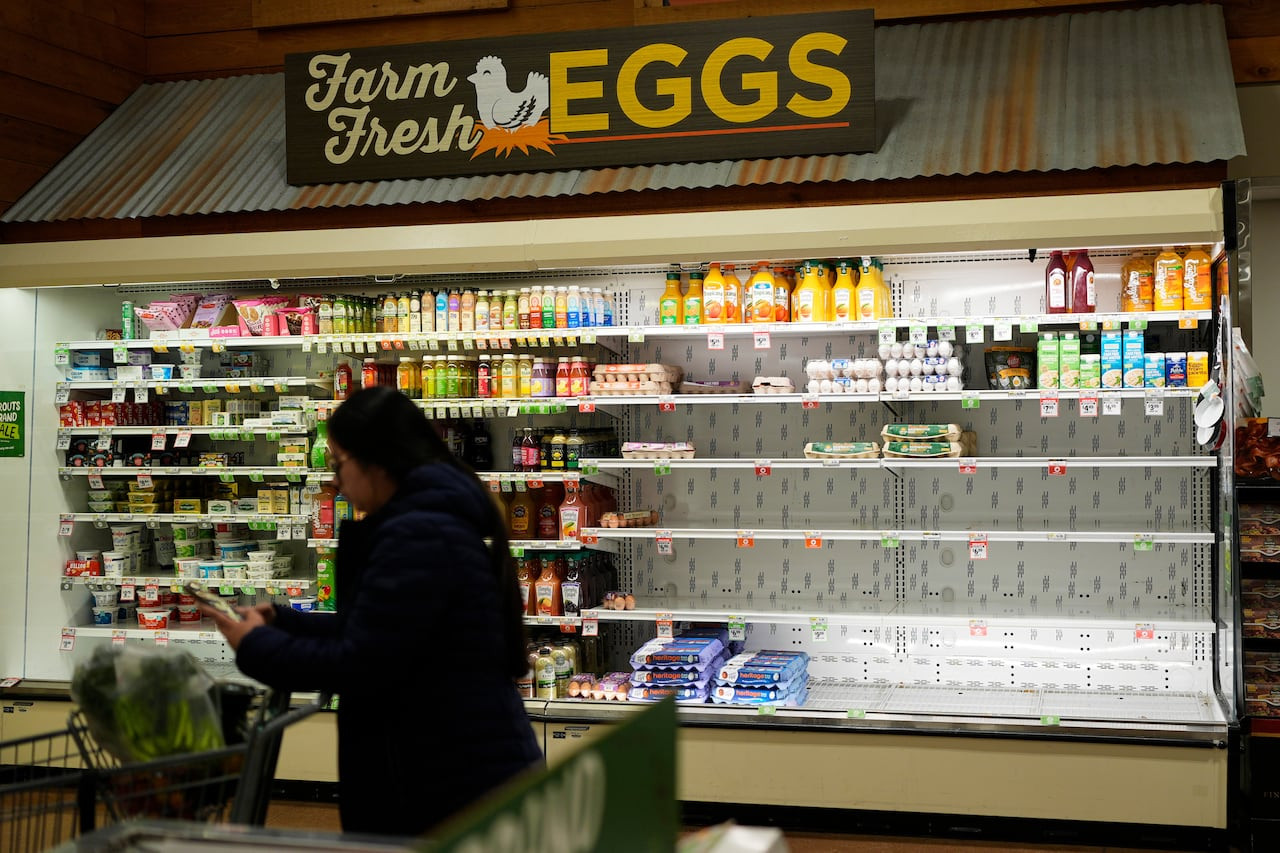
Retailers and distribution hubs in Arkansas, Georgia, and Oklahoma are reporting significant shortages of essentials like bottled water, staple groceries, and common medications. Field reports from CNN and CBC News show long lines, empty shelves, and rationing at major retailers such as Walmart, Kroger, and Costco.
Recovery efforts involve:
- Deployment of 186 mutual aid workers from the Florida Municipal Electric Association to impacted southern states
- 60 line technicians from the Minnesota Rural Electric Association assisting in Virginia
- The North Carolina Department of Transportation is operating over 1,500 snowplows and salt spreaders using pre-treated brine on major highways
Airlines have adjusted operations in anticipation of ongoing cancellations, with American Airlines scheduling 12 extra flights from Dallas to help stranded travelers.
Boil water notices have been issued in affected areas due to the risk of pipe damage and water system disruptions. Utility teams continue to monitor distribution network pressures in several states.
- Categories:
- News

0 comments
Sign in to Comment