
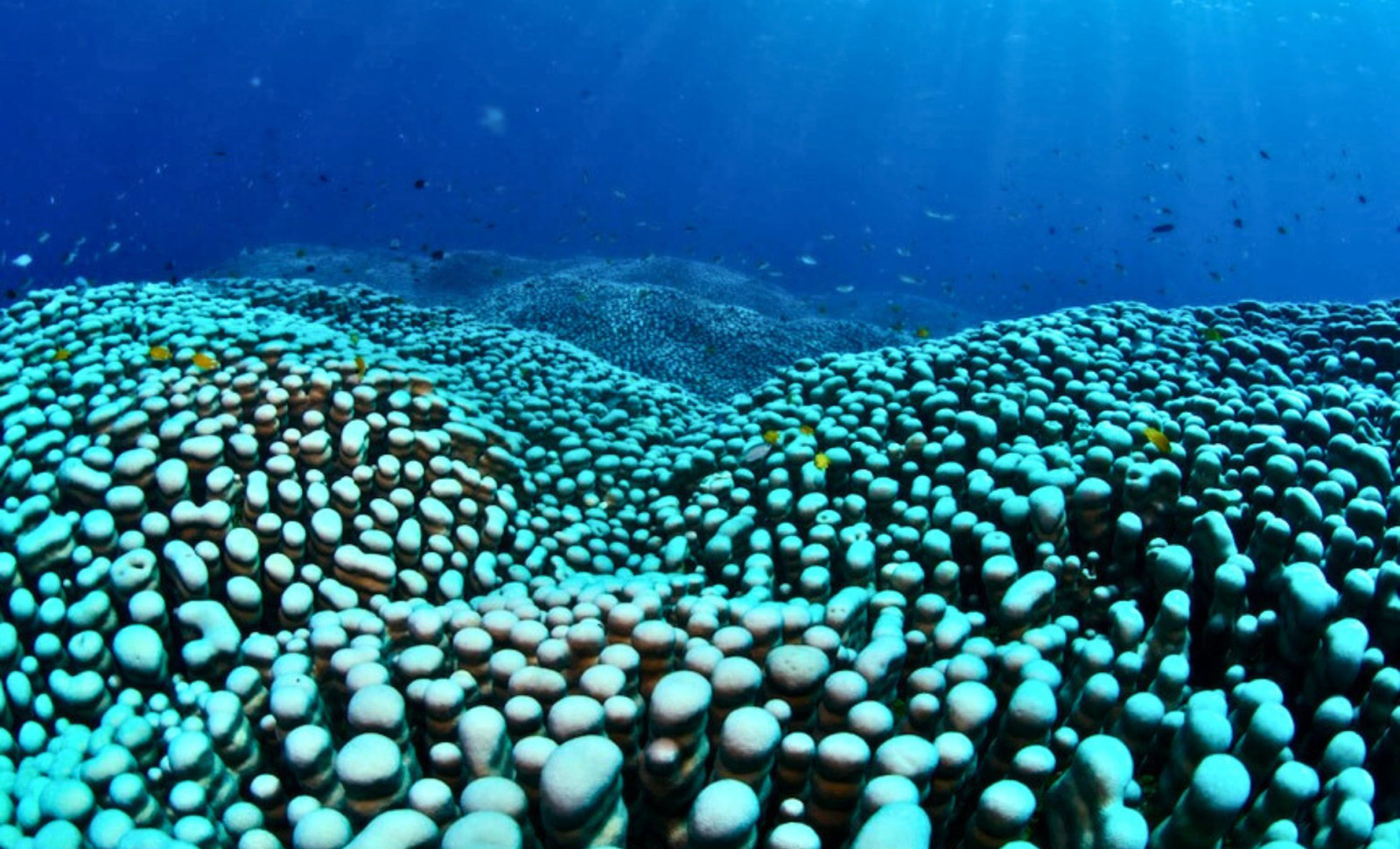
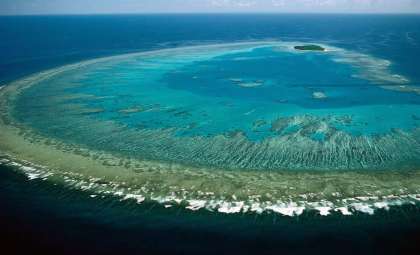
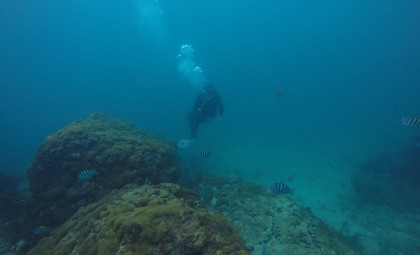
That morning’s water was unusually smooth and calm in the outer regions of the Great Barrier Reef. Jan Pope peered over the boat’s side and noticed an unfamiliar pattern beneath the surface—something unlike the usual bommies or coral formations she had seen in her 35 years of diving. Curious, she prepared herself and entered the water.
What she discovered below looked more like an expansive underwater meadow than a coral reef. This massive formation extended into the distance, differing from typical reef growth with its ambiguous edges and continuous spread. In a later ABC interview, she expressed, “I had never encountered coral growing in this manner before. It just kept going.”
Unknown at the time, Pope and her daughter had uncovered what could be the largest coral structure ever recorded within the Great Barrier Reef. Their remarkable discovery soon captured the attention of marine researchers nationwide, prompting new inquiries about what other secrets the ocean might conceal.

Discovery Made During Family Dive Expedition
Jan Pope and her daughter, Sophie Kalkowski Pope, were volunteering for the Great Reef Census, an initiative led by Citizens of the Reef that harnesses citizen science to track reef health. The project enlists divers, boat operators, and photographers to survey areas difficult for professional scientists to cover alone, covering about a quarter of the reef through shared imagery since 2020.
The pair were diving several hours off Cairns, Far North Queensland, when they stumbled on the coral colony late last year. Kalkowski Pope, who oversees marine operations at Citizens of the Reef, believes the site remained undiscovered partly due to challenging tidal currents that make dives there difficult, potentially preserving what lies beneath.
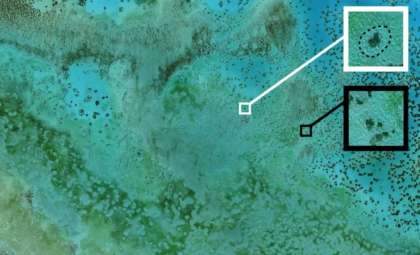
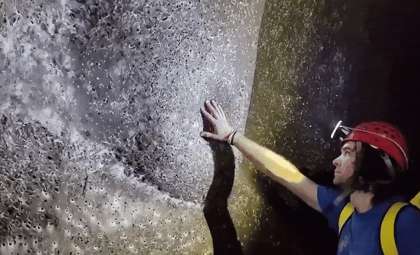
In January, Kalkowski Pope returned with a full research team, equipped with drones, measuring devices, and underwater photography equipment. They applied photogrammetry, combining hundreds of photos into a detailed 3D digital model. The data exceeded expectations even for seasoned marine experts.
A Coral Formation Stretching as Far as a Sports Field
The coral structure spans about 111 meters, comparable to the length of a Premier League or American football field. Covering approximately 3,973 square meters, it occupies nearly half the size of an official soccer field. According to The Guardian, this dwarfs the 34-meter-wide Pavona clavus colony found in the Solomon Islands in 2024 and a 71-meter colony in Nusa Penida.
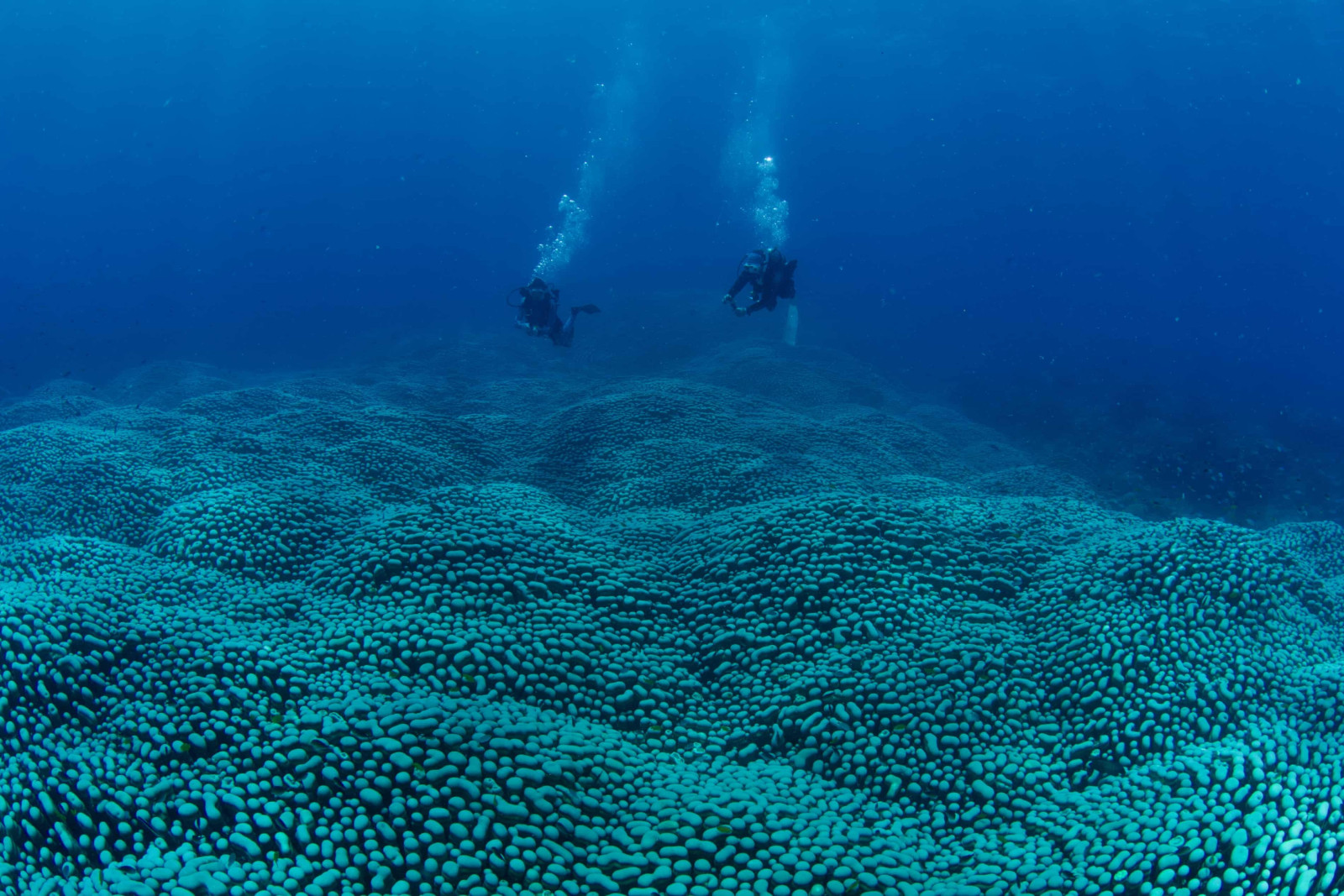
The species involved is Pavona clavus, a stony coral known for its hard limestone skeletons and capacity to form extensive column-like structures over centuries. Dr. Tom Bridge, coral curator at the Queensland Museum, described the coral as uncommon and elusive. He noted the ongoing taxonomic review that could change its classification but emphasized the impressive scale regardless of naming conventions.
Dr. Mike Emslie from the Australian Institute of Marine Science estimated that the colony might be several hundred years old, judging by its size and growth patterns. This longevity is significant, indicating the coral has endured cyclones, crown-of-thorns starfish infestations, and numerous mass bleaching events. Its persistence suggests a uniquely resilient environment. “It shows these large, long-lived corals can withstand repeated severe disruptions,” Emslie told the ABC.
Longevity, Hardiness, and an Unresolved Mystery
The coral colony is located in deeper waters with strong tidal currents, potentially helping to keep the water cooler during heatwaves that have devastated shallower reefs. However, scientists remain uncertain whether this is a single vast colony or an amalgamation of multiple colonies that have fused over time.
Dr. Bridge explained that identifying its genetic makeup is key to answering this question. If the entire structure grew from one larval polyp centuries ago, it would be a single genetic entity. Alternatively, if multiple polyps settled nearby and fused as they expanded, it would be a composite formation. Kalkowski Pope estimates that thorough testing would require more than 300 samples collected across the entire colony—an effort yet to be undertaken.
Serena Mou, a research engineer from the QUT Centre for Robotics, helped develop the 3D model to facilitate future monitoring. Speaking to BBC Newsround, she said, “This allows us to return months or years later to conduct precise comparisons and track changes over time.” The mapping also showed the colony extends beyond initial diver estimates. Mou described this iterative process as revealing a progressively larger structure than initially thought.
Protecting the Discovery
The coral’s exact location is being kept confidential. All collected data has been shared with the Great Barrier Reef Marine Park Authority, which oversees reef management. The authority will decide on monitoring strategies and potential protective measures. Keeping the site under wraps minimizes risks from anchors or unauthorized divers who might inadvertently damage this fragile, centuries-old formation.
Allison Paley, a marine scientist at James Cook University, highlighted the value of citizen science initiatives. “This is a prime example of the benefits such programs bring,” Paley told The Guardian. She also pointed out that comparable enormous coral colonies likely exist worldwide but remain undiscovered due to vast, less-explored ocean regions and sporadic coral size assessments. Many of the largest formations come to light by chance when divers notice unusual reef patterns.
- Categories:
- News


0 comments
Sign in to Comment