
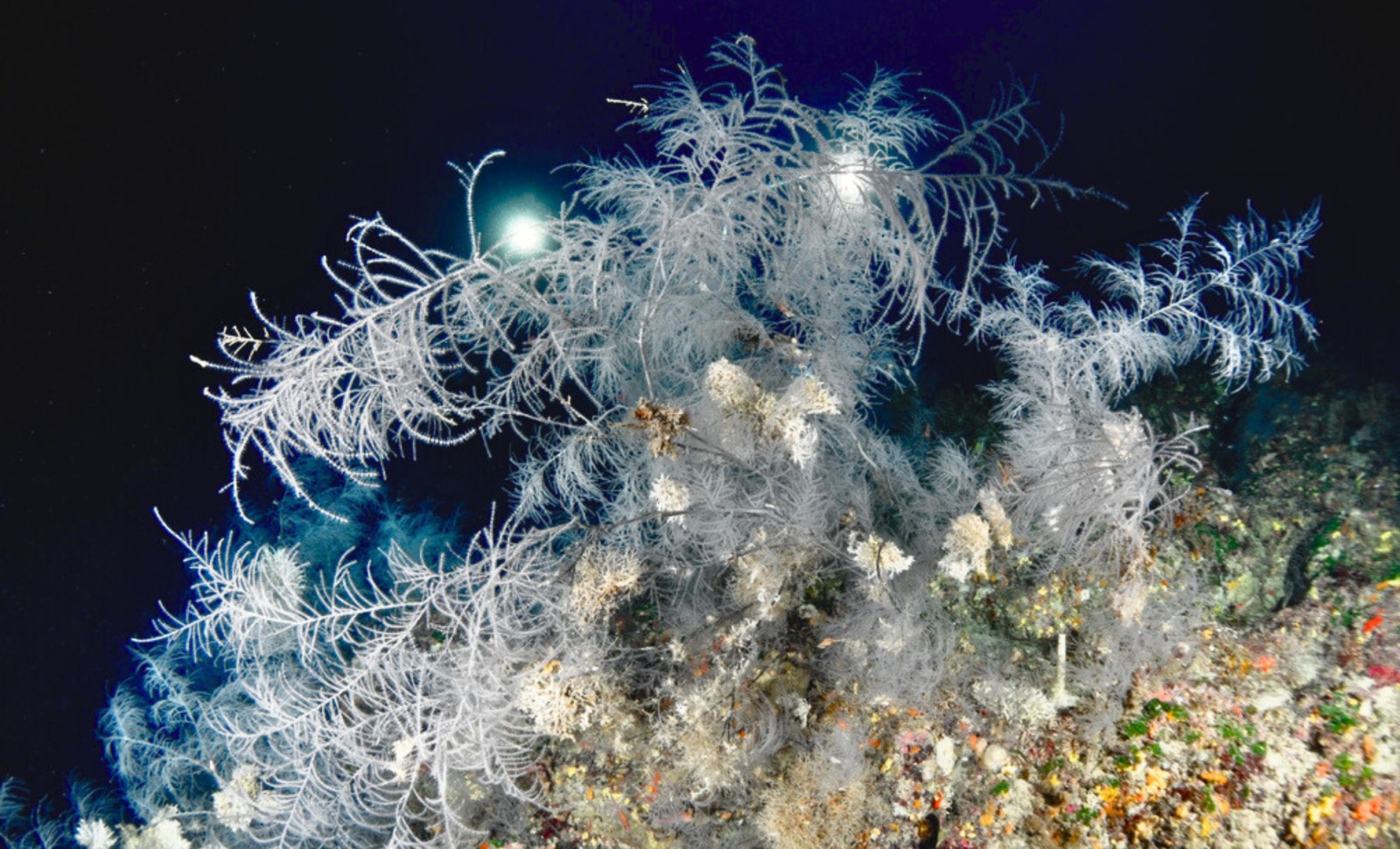
Far beneath the tranquil surface of New Zealand’s southern fjords, in waters seldom explored and scarcely studied, scientists have unveiled a remarkable find poised to redefine aspects of deep-sea ecology. This discovery was characterized not by movement or sound but sheer scale and quiet presence.
The subject of this find is far from new; it has been gradually growing for possibly centuries within one of Earth's most secluded marine habitats. In an area where scientific exploration is limited and much biodiversity remains undocumented, the discovery highlights important gaps in conservation and marine data.
Standing more than four metres tall with branches stretching nearly five metres wide, this structure is neither a reef nor a tree. Instead, it is an ancient black coral long neglected in research and policy, now called into scientific focus.

The specimen found in Fiordland appears to be the largest black coral ever recorded within New Zealand’s territorial waters. Its exceptional size, age, and pristine environment raise questions about how much of our oceans remain unexplored and what other natural wonders may still await discovery.
The Largest Black Coral Found in New Zealand
The coral was uncovered during an expedition by a diving team led by researchers from Te Herenga Waka–Victoria University of Wellington in Fiordland’s deep fjord channels. Marine biologist Professor James Bell, with over 20 years of experience studying corals, identified this specimen as the largest black coral he has seen in the country’s waters.
“Typically, black corals we encounter are on the smaller side,” Bell shared in a statement from the university. “Finding one of this size, soaring beyond the usual two to three metres, was truly extraordinary.”
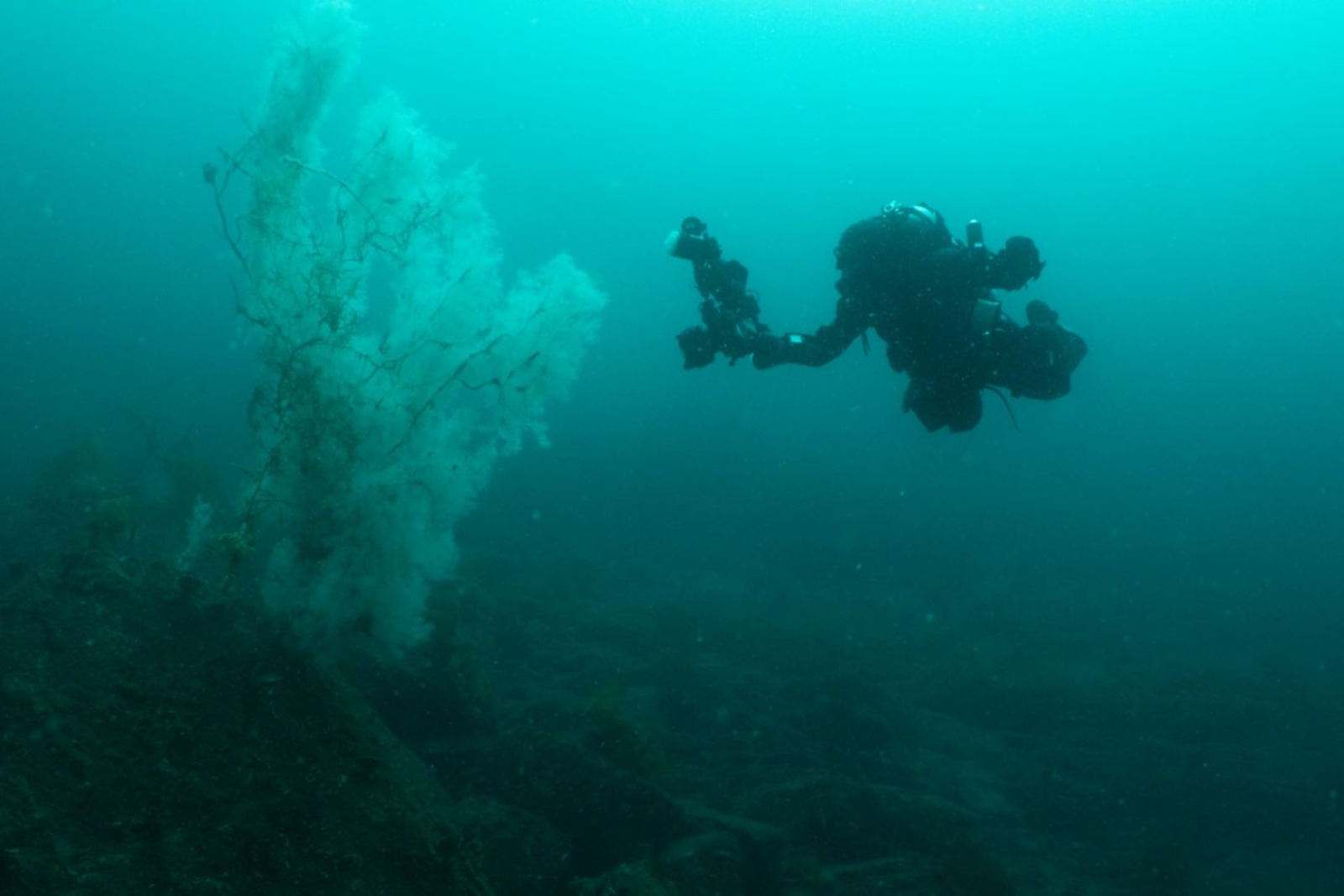
This discovery was initially highlighted by Newsweek following field investigations led by the university’s marine science team. The coral’s impressive size far surpasses earlier records of black coral in the area, which rarely exceed two metres. Bell pointed out that identifying these large colonies is crucial, as they often serve as essential breeding stock in populations with very slow growth and reproduction.
Joining the dive was Richard Kinsey, a senior biodiversity ranger from the New Zealand Department of Conservation, who described the encounter as exceptional. “In my nearly 20 years as a marine ranger here in Fiordland, this is one of the largest corals I’ve ever seen,” Kinsey said, according to university accounts.
Conservation and Habitat Survey Initiatives
Belonging to the order Antipatharia, black corals are stationary invertebrates that thrive at depths of 30 metres or deeper. Their growth is exceptionally slow, often just a few millimetres annually, and they can live for several centuries. The dense, tree-like skeletons they build provide shelter for smaller marine creatures and juvenile fish, playing a vital role in deep-sea ecosystems.
The location of this coral within the Fiordland Marine Area benefits from multiple layers of conservation safeguards. New Zealand’s Marine Protected Areas Policy focuses on conserving diverse ecosystems, although calls persist for stricter enforcement and more detailed habitat surveys.
To bolster these efforts, specialists at Victoria University are collaborating with the Department of Conservation and the Fiordland Marine Guardians on focused surveys aimed at pinpointing key ecological zones. Their mission is to minimize harm from maritime operations by advising fishers and boat operators based on comprehensive habitat data.
Physical disturbances such as anchoring and fishing gear are recognized threats. The New Zealand Threat Classification System lists such disturbances among significant pressures on vulnerable marine invertebrates like corals. Consequently, the researchers urge local divers and seafarers to report sightings of black corals taller than four metres.
Bell expressed interest in gathering “reports from anyone aware of exceptionally large black corals” to deepen understanding of their distribution and the prevalence of these giant colonies throughout the fjords.
Identification Complexities and Legal Safeguards
While known as black corals due to the dark hue of their internal skeletons, their living tissue often appears light-colored or white, which can cause confusion during identification. Accurate species identification frequently demands microscopic examination or genetic testing, particularly in areas where numerous coral species coexist.
Within New Zealand, black corals enjoy legal protection under the Wildlife Act 1953. It is illegal to intentionally collect, harm, or possess these protected marine organisms. However, enforcement mainly depends on public vigilance and conservation oversight.
Black coral has traditionally been prized for use in jewelry and traditional medicines in various regions including the Pacific and Mediterranean. Research published in Frontiers in Marine Science highlights that many species within the Antipatharia order are long-lived biological records, preserving environmental histories within their skeletons. This makes them invaluable for studying past climates but also vulnerable to habitat damage.
- Categories:
- News

0 comments
Sign in to Comment