
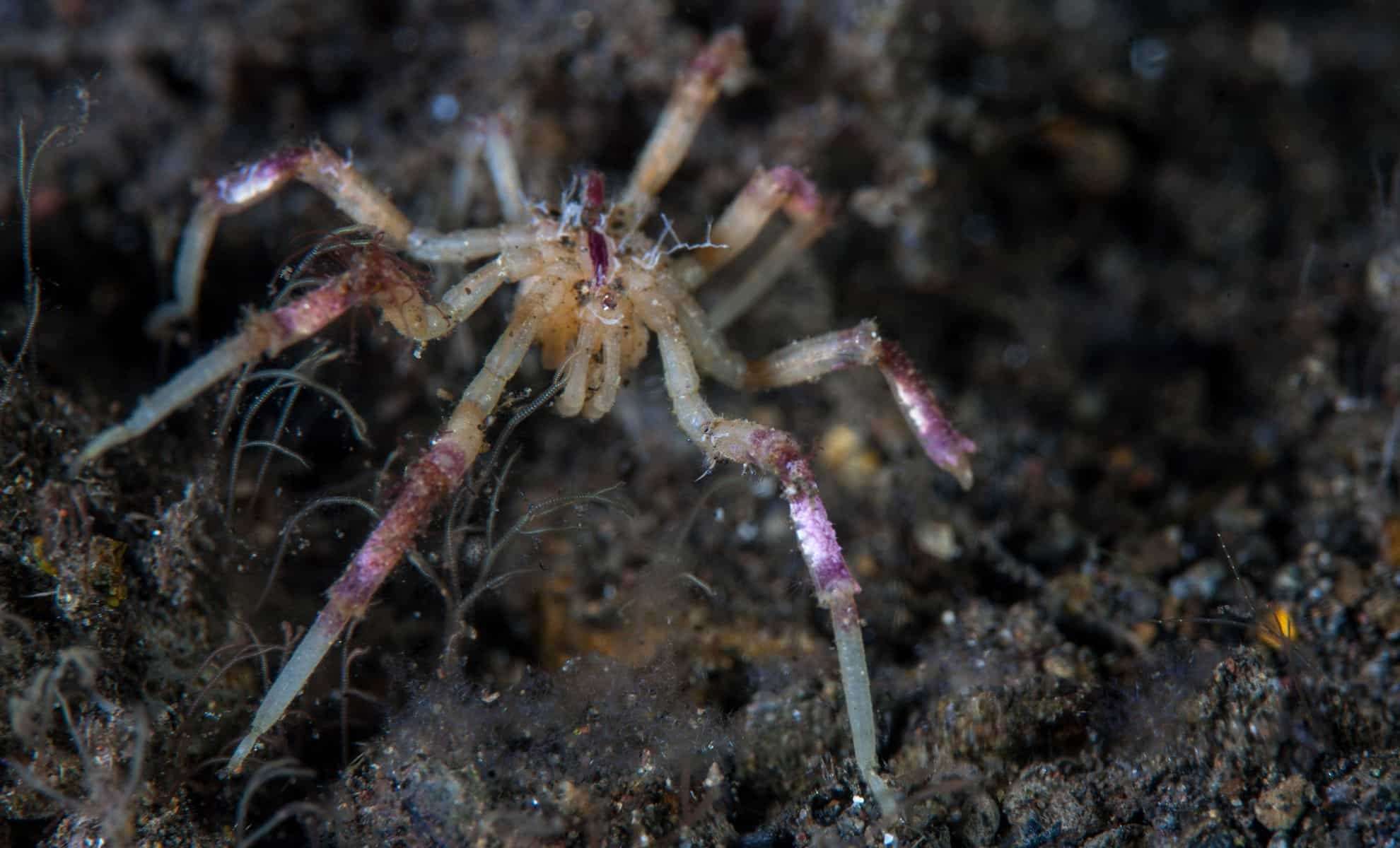
Researchers have identified three novel species of deep-sea sea spiders that sustain themselves by feeding on methane-derived nutrients. This groundbreaking study, featured in the Proceedings of the National Academy of Sciences, reveals how these enigmatic organisms flourish in the methane-rich, sunless zones of the ocean.
A Distinct Methane-based Feeding Strategy
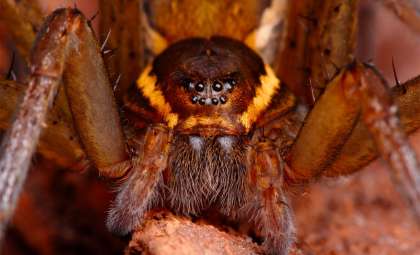
The deep ocean presents extreme challenges including immense pressure, near-freezing temperatures, and total darkness. However, these newly discovered sea spider species have adapted by feeding on bacteria that metabolize methane. When organic debris sinks to the seafloor and decomposes, methane gas escapes through the sediment cracks. Instead of dispersing, these methane-eating bacteria colonize creatures such as the Sericosura spiders.
Shana Goffredi, leading the research team and professor at Occidental College, described the process: “Much like how someone eats eggs for breakfast, these sea spiders graze on the bacterial layer that grows on their bodies, consuming it as food.”

This newly identified symbiosis is unprecedented in sea spiders. The bacteria transform methane and oxygen into energy-rich compounds, supplying a steady nutrient source for the spiders. Unlike typical sea spiders that utilize large tubular mandibles to catch prey like jellyfish, Sericosura spiders lack these structures and instead act like cultivators, “harvesting” the bacteria that live on their surfaces.
Bacteria’s Influence on Ocean Methane Dynamics
This close biological partnership might help control methane emissions from the deep sea. Since methane is a strong greenhouse gas, preventing its release is crucial. The bacteria residing on these sea spiders could reduce the amount of methane reaching the atmosphere. Goffredi noted, “Even though they seem small and the deep ocean remote, these organisms have a powerful role in their ecosystem.”
Understanding these species further may enhance insights into the interaction between deep-sea life and methane regulation, bearing important consequences for climate research. The methane-consuming bacteria living on these spiders could inspire new methods to limit methane emissions across the planet.
Inheritance of Microbial Communities
An intriguing element of this discovery is the transfer of bacteria between generations of Sericosura spiders. Females lay hundreds of eggs, which males carry in pouch-like structures. Upon hatching, the larvae come into direct contact with bacteria on the father’s body. Isotope analysis confirmed that these microbes are not just passive passengers but actively consumed as part of the spider’s diet.
Nicole Dubilier, a marine biologist at the Max Planck Institute, emphasized the importance of this microbe transmission: “This symbiotic relationship offers the bacteria an ideal environment for survival.” She added that although up to 80% of the bacteria may be eaten, the remaining 20% persist and continue to reproduce.
Expanding Horizons in Marine Science
According to Goffredi, the deep ocean harbors far greater biodiversity than previously understood, with species highly specialized to particular habitats. She explained, “The deep sea is often thought of as uniform, but in reality, there is significant biodiversity tailored to distinct regions.”
Continued research promises to unveil more about the ecological roles of Sericosura spiders and their contributions to the balance of life in the ocean’s depths.
- Categories:
- News



0 comments
Sign in to Comment