
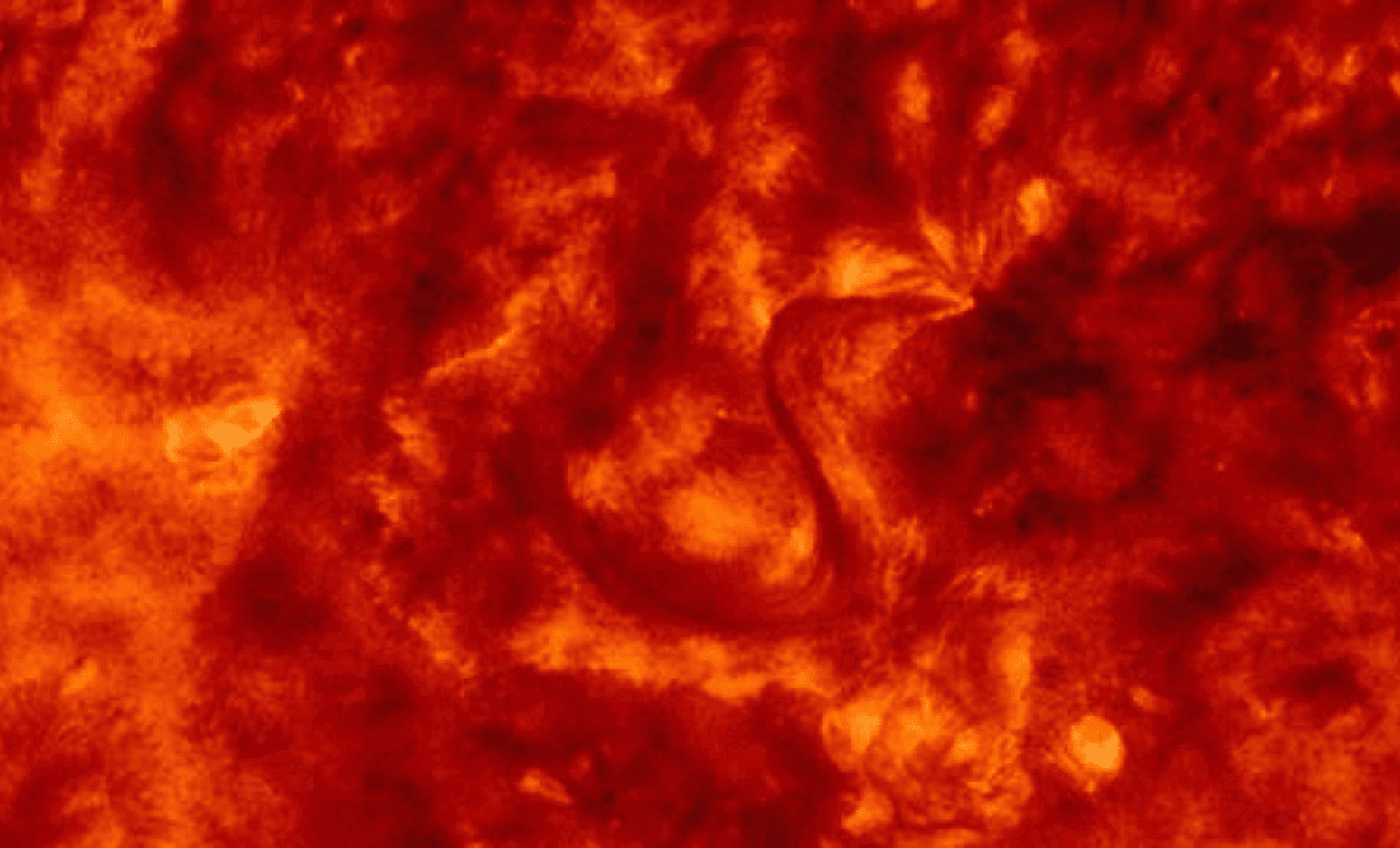
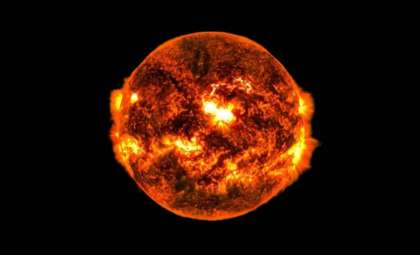
On September 4, 2025, an extraordinary image from NASA’s Solar Dynamics Observatory (SDO) revealed a striking “S” pattern on the Sun’s surface, marking the onset of a significant solar event that led to a geomagnetic storm days later. This unusual “sigmoid eruption,” detailed by Spaceweather.com, is a known indicator of intense solar flares and coronal mass ejections (CMEs) with the potential to affect Earth's space weather environment.
Defining a Sigmoid Eruption
The distinctive S-shaped feature seen on the Sun is linked to a solar phenomenon called a sigmoid eruption, rooted in the Sun’s magnetic complexity. These events occur when the Sun’s magnetic field lines become twisted and elongated, resembling a coiled spring under tremendous stress. Eventually, the magnetic tension releases explosively, unleashing a powerful solar flare. The identified S-shaped pattern extended approximately 700,000 kilometers, signaling an impending flare.
Sigmoid eruptions stand out due to their unique magnetic configuration. This shape emerges from the particular alignment and motion of magnetic fields on the Sun, which can become unstable when excessively stressed. The reconfiguration of these magnetic fields results in a burst of plasma ejected into space, triggering a coronal mass ejection that can disturb Earth’s magnetic environment.

The Dynamics of Solar Flares and Coronal Mass Ejections
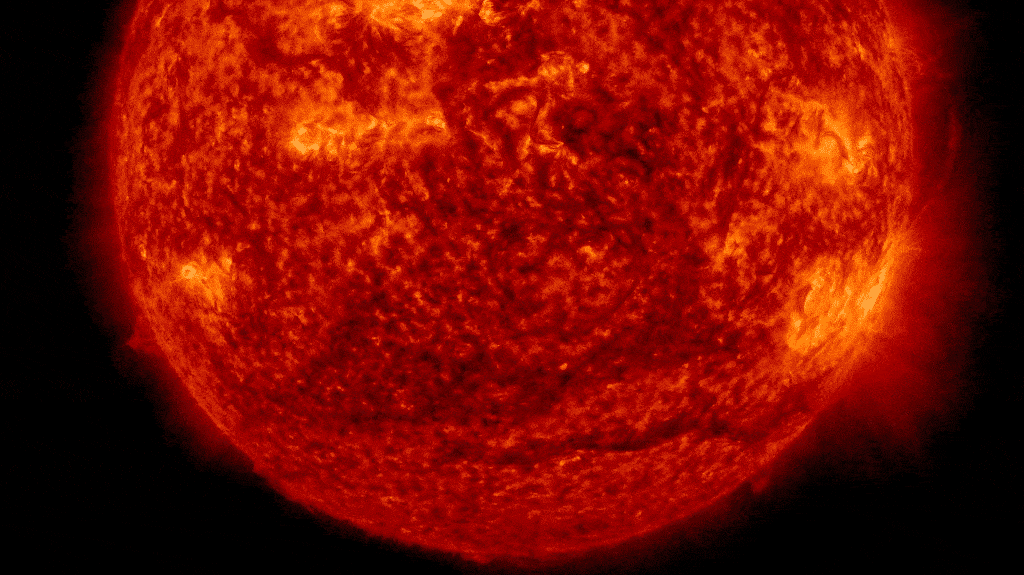
The formation of the S-shaped feature on September 4 followed heightened solar magnetic activity, where the twisting magnetic fields accumulated enough energy to trigger a massive CME directed towards Earth. These CMEs contain clouds of magnetized plasma that travel at high speeds, with this particular event spanning roughly 700,000 kilometers, ranking it among the more substantial eruptions observed recently.
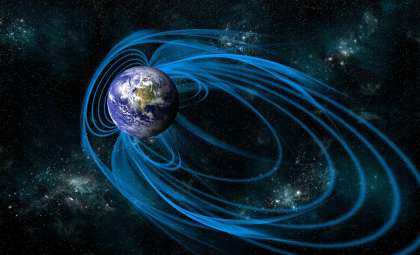
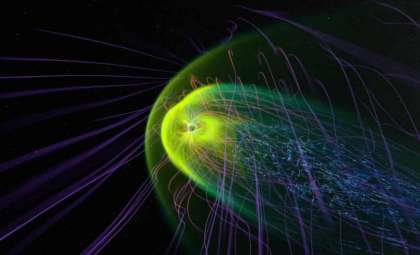
These plasma clouds often appear darker than the Sun’s surface because their cooler temperatures absorb less light, creating the shadowy appearance. When such a CME interacts with Earth’s magnetosphere, it can induce geomagnetic storms that may disrupt satellite operations, communications, and electrical grids. The CME launched on September 4 was predicted to reach Earth by September 7, 2025.
Consequences of the Geomagnetic Storm
True to forecasts, the CME impacted Earth’s magnetic shield on September 7, triggering a geomagnetic storm. Categorized as a G1 to G2 event, it was relatively moderate but still generated observable effects. Regions near the polar zones reported intensified auroral displays as solar particles collided with Earth’s magnetic field, producing vivid, colorful lights.
Geomagnetic storms can influence various technological systems on Earth. Satellites in orbit face interference from charged particles, disrupting communications and GPS functions. Power distribution networks may experience sporadic outages, particularly in vulnerable regions. Although this storm was moderate, it highlights the Sun’s ongoing ability to impact modern technology.
The Role of Solar Cycles in Space Weather Activity
The Sun follows an approximately 11-year cycle marked by fluctuating activity levels. At solar maximum, the peak phase of this cycle, the number of solar flares, sunspots, and CMEs rise considerably. The current solar maximum in 2025 has already witnessed notable events such as enormous solar tornadoes and a rare “cannibal” CME resulting in widespread auroras across several U.S. states earlier this month.
Heightened solar activity results from increasingly tangled magnetic fields on the Sun, creating prime conditions for solar flares and CMEs. This activity also modulates cosmic ray intensity, as intensified solar winds push energetic particles away from Earth. Accurate solar weather forecasting is vital to prepare for the broad effects these events may have on Earth’s infrastructure and technology.
Predicting Space Weather: The Significance of Sigmoid Eruptions
Sigmoid eruptions, like the one captured on September 4, are crucial for anticipating solar flares and CMEs. Scientists recognize these magnetic configurations as precursors to powerful solar events, though many aspects of their genesis remain unclear. Ongoing research aims to enhance prediction models to better forecast when these eruptions will take place.
The emergence of the S-shaped form serves as an important signifier in solar flare forecasting, indicating a buildup of magnetic stress on the Sun poised for release. Detecting these formations in real time enables earlier warnings about space weather disturbances that could affect Earth.
Despite progress in understanding solar behavior, more insights into the mechanisms behind sigmoid eruptions are needed. Improving knowledge in this area promises to strengthen solar weather prediction capabilities, helping to protect critical technologies from solar flare and CME disruptions.
- Categories:
- News






0 comments
Sign in to Comment