
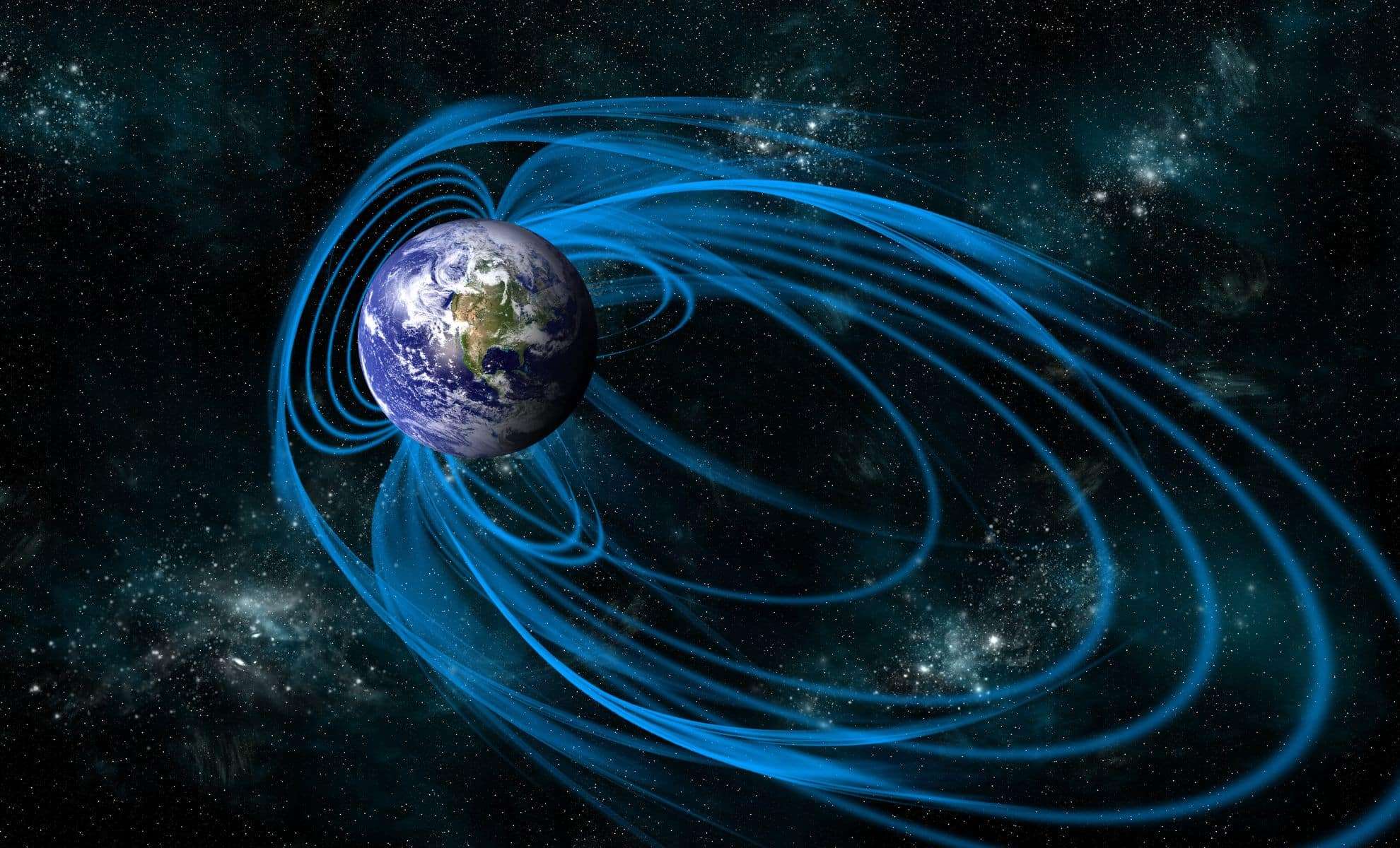
NASA has raised concerns over a rapidly growing magnetic irregularity that threatens to interfere with satellites, space exploration, and worldwide technological systems. This phenomenon, called the South Atlantic Anomaly (SAA), is drawing increased focus from researchers, especially after recent reports featured in Sustainability Times. Its unpredictable growth and expanding extent could soon affect the continental United States.
Expanding Fault in Earth’s Magnetic Shield
Underneath the South Atlantic Ocean, the protective magnetosphere, which usually protects Earth from cosmic radiation, is noticeably weakening. The result is a vulnerable region allowing elevated levels of cosmic rays to penetrate the upper atmosphere. This vulnerable zone, recognized as the South Atlantic Anomaly, corresponds to a segment of the Van Allen radiation belt that extends closer to Earth than anywhere else.
Observations indicate the SAA is shifting westward while simultaneously expanding, increasing the affected area exposed to harmful radiation. This presents serious challenges, as satellites and the International Space Station frequently pass through this fragile section of Earth’s magnetic field, facing threats such as radiation damage, signal interruptions, and potential hardware malfunctions.

Risks for Satellites and Space Missions
In response to the SAA, engineers have begun adapting satellite designs and rerouting spacecraft orbits to reduce exposure to the high-radiation zone. Despite these modifications, specialists quoted in Marca warn that radiation hazards might threaten all satellites and space projects, potentially disrupting essential services including GPS, communications, aviation, and power grids.
During intense solar storms or geomagnetic incidents, the consequences could extend well beyond space, affecting communication systems, sensor reliability, and stability of electric networks. This urgency is driving scientists to enhance early-warning systems that detect surges in radiation and solar activity.
Probing the Deeper Origins
To understand the cause of the anomaly, researchers examine processes deep below Earth's surface within the outer core. The prevailing theory points to a substantial geological structure beneath Southern Africa known as the African Large Low Shear Velocity Province. This massive, dense region might be disrupting the flow of molten iron that energizes Earth's magnetic field.
Alterations in the circulation of molten material can generate surface features like the SAA. According to Energy Reporters, "changes in these internal flows can cause fluctuations in the magnetic field's intensity and layout," making this African feature a prime factor in the anomaly. Though gradual and slow, this interaction carries significant consequences and could have evolved over millennia.
Looking Ahead
The South Atlantic Anomaly is not diminishing but evolving, with NASA's latest projections showing an active region creeping westward and expanding over more of the Southern Hemisphere. This progression has sparked discussions about the possibility of an imminent magnetic shift globally or even a geomagnetic pole reversal — phenomena that Earth has experienced before but remain poorly understood in the present.
Space agencies are responding by building sophisticated predictive models, improving shielding for spacecraft, and vigilantly tracing changes in the magnetic field’s intensity and shape. As reported by Marca, experts emphasize the need to "continuously analyze, investigate, and track diverse forecasts" to grasp the long-term effects of the anomaly’s growth.
While each new observation adds clarity, the entire scope of the issue is not yet fully known. What remains uncontested is that this expanding magnetic anomaly is emerging as a significant factor impacting technology, scientific research, and the resilience of Earth's protective magnetosphere.
- Categories:
- News












0 comments
Sign in to Comment