
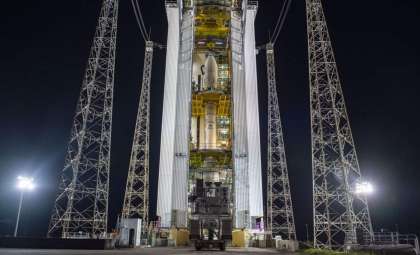
On August 7, 2025, NASA’s PUNCH (Polarimeter to Unify the Corona and Heliosphere) mission successfully positioned all four satellites into their designated science orbits. According to the official NASA blog, these spacecraft are now ideally situated to perform groundbreaking observations of the Sun’s corona and the solar wind. Launched on March 11, 2025, the mission is designed to advance knowledge of solar activity and its effects on Earth and the solar system at large.
This milestone ushers in a new chapter of solar research, where data collected will deepen scientific insight and enhance forecasting of space weather phenomena that can disrupt Earth’s communications, satellites, and electrical infrastructure. This article explores PUNCH’s research aims, innovative technology, and partnerships with international space agencies that together will expand our comprehension of solar behavior.
Investigating Solar Wind from a Comprehensive Viewpoint
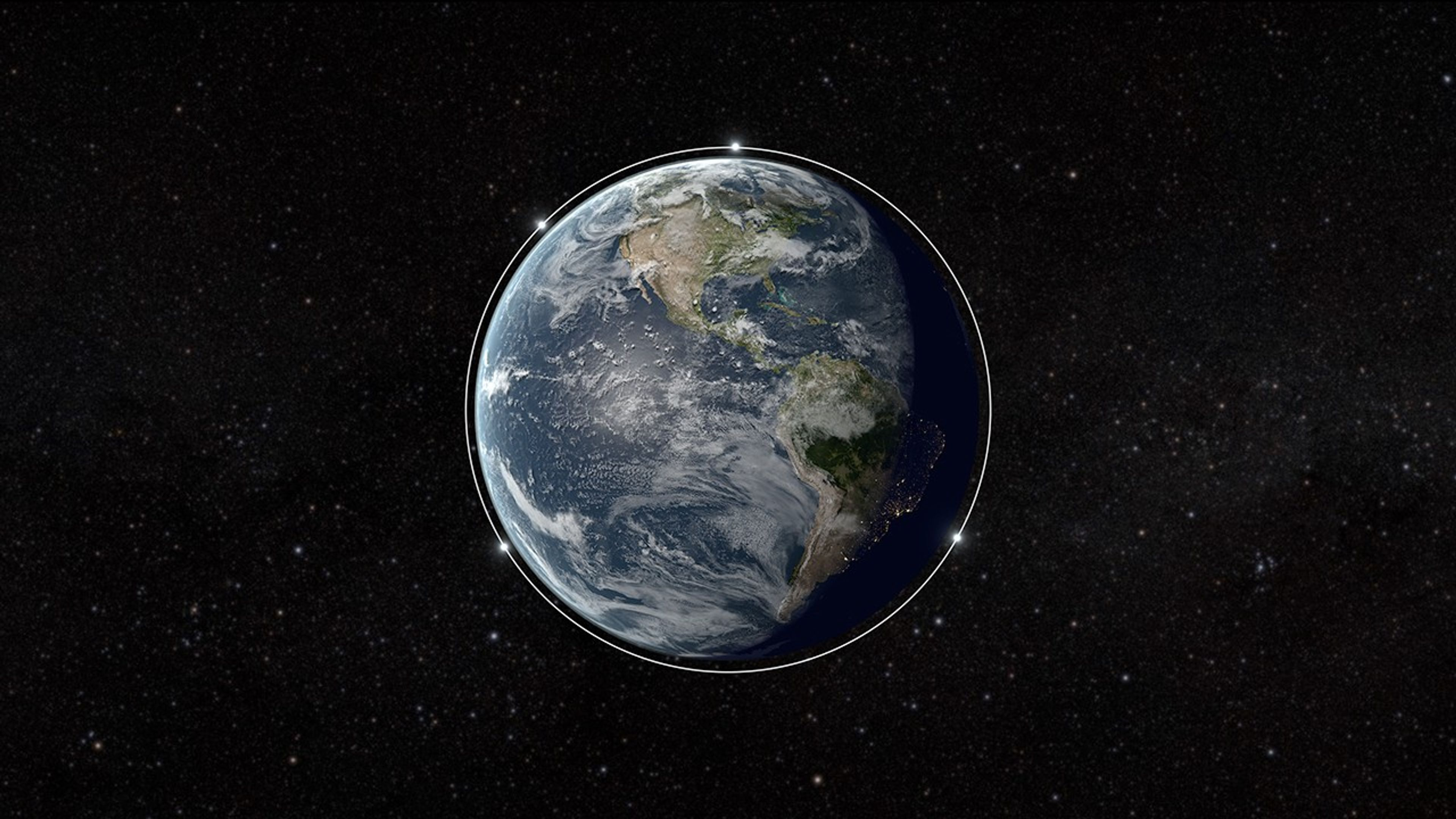
A central goal of the PUNCH mission is to analyze the solar wind—the steady flow of charged particles emitted by the Sun that fills the solar system. Positioned along Earth’s terminator line (the boundary between day and night), the spacecraft offer an uninterrupted, continuous perspective of the Sun and its environment. This vantage point is essential for monitoring the complex dynamics of the solar wind.

Craig DeForest, the mission’s principal investigator at the Southwest Research Institute, explained, “Our objective is to capture global solar wind measurements around the star in near real time.” This broad viewpoint surpasses earlier missions limited to observing segments of the solar wind. By encircling Earth, PUNCH provides a real-time, all-encompassing perspective of how the solar wind interacts with our planet and spreads across space.
Beyond pure research, these insights are crucial for anticipating space weather incidents that can threaten critical infrastructure on Earth. Data from PUNCH will support tracking solar storms and predicting their effects on Earth’s magnetosphere, communications, and satellite systems.
Innovations in Imaging Technology Behind PUNCH
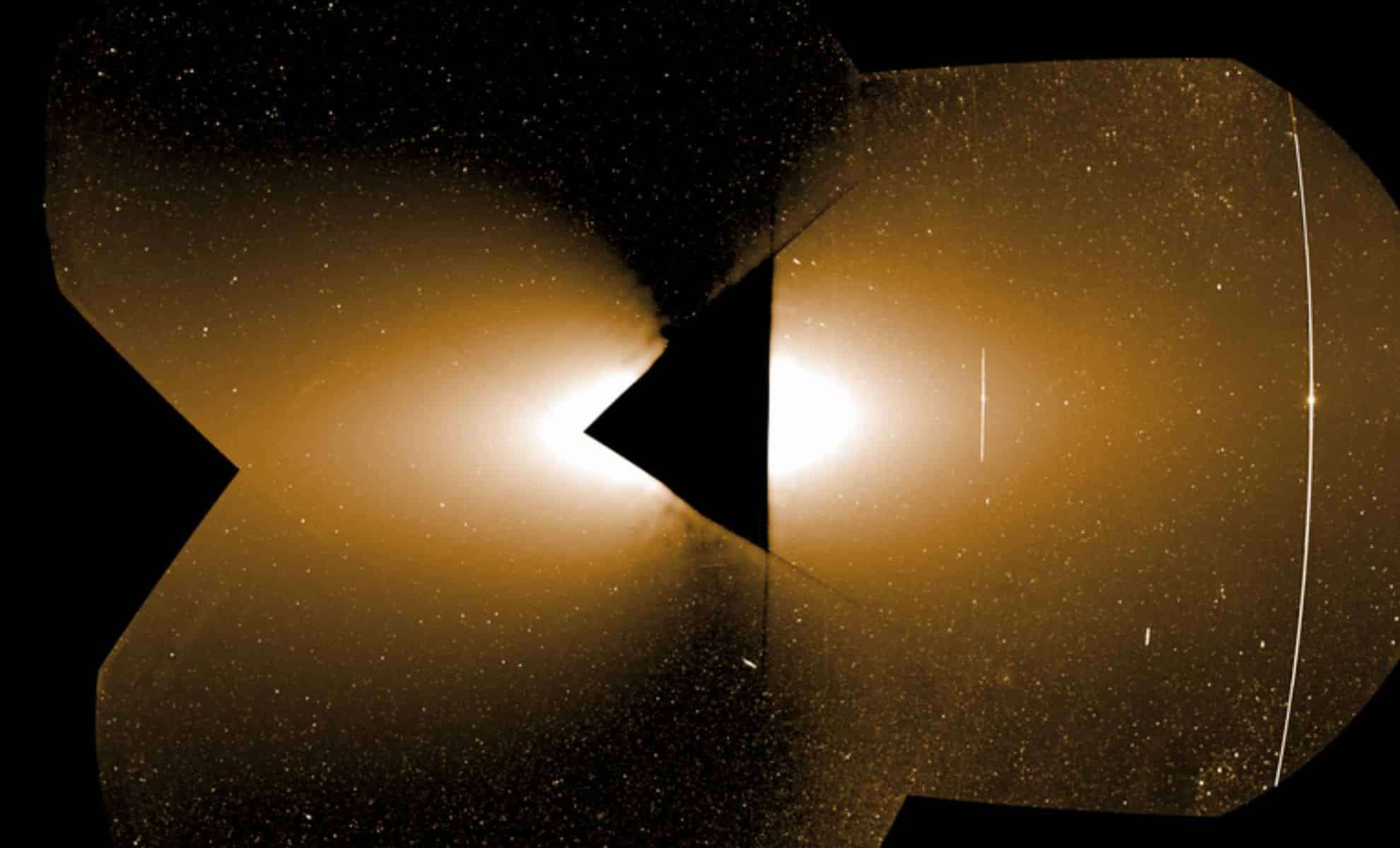
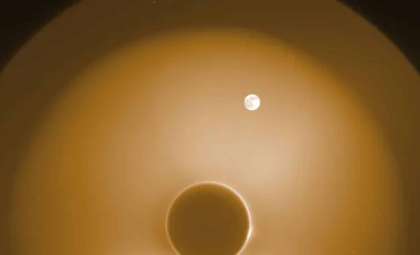
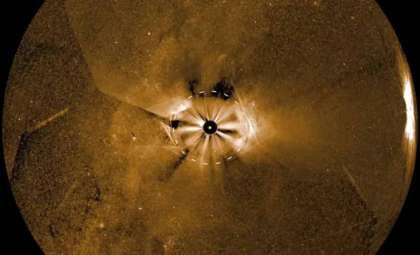
Equipped with state-of-the-art imaging instruments, the PUNCH spacecraft capture detailed visuals of the Sun’s corona and solar wind. One satellite carries a Narrow Field Imager featuring a coronagraph, which blocks intense sunlight to reveal subtle coronal structures. This enables scientists to study the corona’s formation and behavior, typically hidden by the Sun’s brightness.
The remaining three satellites operate Wide Field Imagers that photograph a larger area, capturing the extended corona and solar wind within the inner solar system. These images combine to form wide-field mosaics offering expansive views of solar phenomena and their influences on the surrounding space. This coordinated imaging assists researchers in monitoring solar weather and refining predictive models.
The unprecedented resolution of these images is accessible to the public. As data undergoes processing from Level 0 (raw) to Level 2 (nearly complete), it assists scientists in continuously enhancing their interpretation of solar processes. The processed images are available through NASA’s Solar Data Analysis Center and the Southwest Research Institute’s online portals.
Synergy with Other Solar Observation Missions
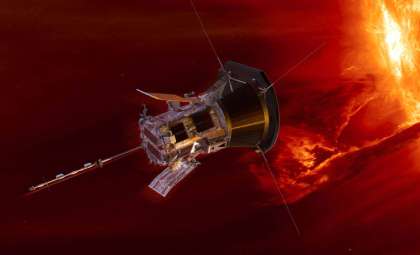
The PUNCH mission collaborates closely with other heliophysics projects such as the Parker Solar Probe, Solar Orbiter, and STEREO missions. Each contributes unique perspectives and data scales that complement one another.
“PUNCH delivers the comprehensive view we combine with data from these missions to truly understand the connected system from the Sun to Earth,” said Nicholeen Viall, a PUNCH mission scientist at NASA’s Goddard Space Flight Center. Integrating this information provides a thorough understanding of solar events and their space weather consequences. This multifaceted approach enables highly detailed studies of solar activity from numerous vantage points, improving models of solar dynamics.
Specifically, PUNCH’s wide-angle monitoring augments the Parker Solar Probe’s closer-in observations near the Sun. Together, these data sets will greatly improve the ability to forecast space weather and mitigate its impact on Earth.
- Categories:
- News




0 comments
Sign in to Comment