

Researchers in Germany have uncovered a remarkable aspect of Neanderthal life that highlights their adaptability and survival skills. Approximately 125,000 years ago, these early humans developed what can be described as a “fat extraction system,” likely helping them avoid protein poisoning, a potentially deadly condition.
A Vital Strategy to Prevent Protein Toxicity
The research, detailed in the journal Science on July 2, reveals how Neanderthals processed animal bones to acquire fat, complementing their diet largely centered on protein. This approach may have been essential to avert protein poisoning—also known as rabbit starvation—which arises when too much protein is consumed without sufficient fat or carbohydrates. Given their meat-heavy diet, Neanderthals were at risk without this dietary strategy.
This discovery not only indicates an inventive way to increase caloric intake but also suggests Neanderthals recognized fat’s critical energy value, which surpasses that of proteins and carbs. Such techniques would have been crucial during periods of limited food availability, promoting their endurance.

Findings from the Neumark-Nord Excavation
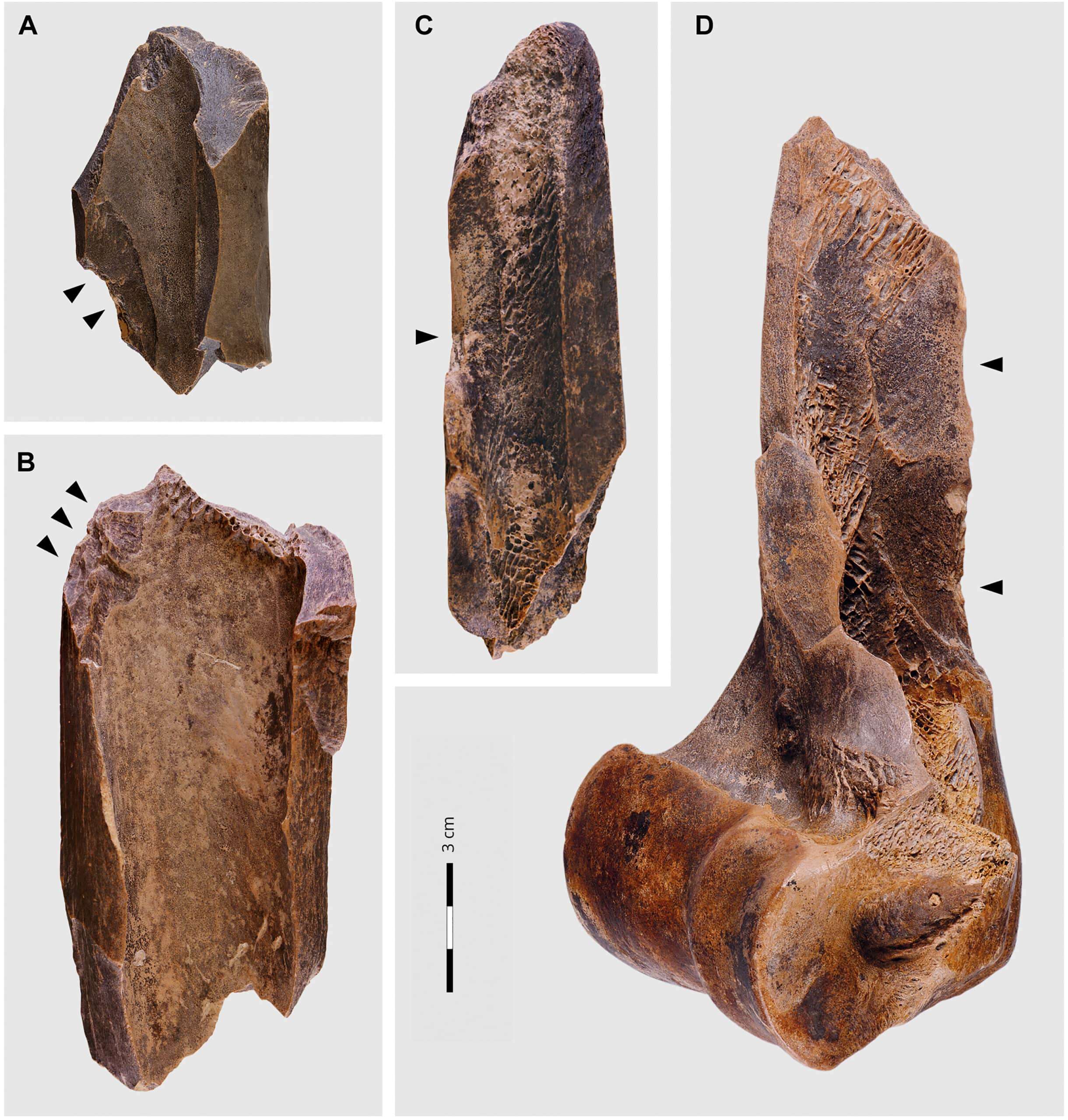
At the Neumark-Nord site in central Germany, scientists excavated the remains of 172 sizable animals, including horses, deer, and cattle. Alongside these bones, Neanderthal-crafted tools like anvils and hammerstones were discovered. Detailed examination showed that Neanderthals not only consumed flesh but also intentionally fractured bones to access marrow, then boiled the fragments to extract nutrient-rich fat.
Wil Roebroeks, emeritus professor of Paleolithic archaeology at Leiden University, noted that "fragmentation of the bones of large mammals into such a vast amount of small fragments is labour-intensive and time-consuming," indicating a purposeful effort behind the preparation. Smashing and boiling bones to render fat was clearly a deliberate tactic to maximize their nutritional yield from prey.
Insights into Neanderthal Innovation
Previously, it was believed that complex resource maximization began much later in history. These new findings challenge that assumption, showing Neanderthals practiced such behaviors well before their extinction.
Lutz Kindler, archaeologist at the Monrepos Archaeological Research Center and Museum for Human Behavioral Evolution and lead author, stressed how “labour-intensive and time-consuming” processing highlights Neanderthal ingenuity and adaptability. Their ability to optimize nutrient extraction from carcasses underscored their survival in challenging environments.
Reconsidering Neanderthal Survival Methods
This evidence reshapes the traditional perception of Neanderthals as opportunistic gatherers. Roebroeks proposes Neanderthals might have even preserved animal fat for future consumption, similar to modern food storage practices.
By fully utilizing available animal resources, Neanderthals maintained their energy supply during scarcity, demonstrating a sophisticated grasp of nutrition and caloric balance that parallels contemporary survival techniques.
- Categories:
- News










0 comments
Sign in to Comment